Admissions Open: 2026 Batch

DHS Lab Technician
Exam Coaching

Expert coaching for the Directorate of Health Services Lab Technician recruitment under Kerala PSC. Covers clinical chemistry, haematology, microbiology, and all core diagnostic disciplines.

What's Included

Complete Learning System

Enrolling Now
5 Months Intensive Track
100+ Mock Tests
Kerala PSC Exam Board

Live + Recorded Classes

Expert-Led Sessions

Free PPT Notes

All Subjects

Practice Questions

Topic-wise MCQs

Model Exams

CBT-Style Tests

Expert Mentor Support

1-on-1 Guidance

Revision Sessions

Structured Review

Unlimited Tests

Until You Crack It

Animated Classes

Highly Engaging

DHS MLT Exam Overview.

Conducted By
Kerala Public Service Commission (Kerala PSC), Department of Health Services (DHS), Kerala
Name of Examination
DHS Medical Laboratory Technician (MLT) Exam
Course / Post
Medical Laboratory Technician (MLT) / Laboratory Technician Grade II
Recruitment Type
Merit-Based Recruitment through Written Examination
Eligibility Qualification
Diploma in Medical Laboratory Technology (DMLT), B.Sc Medical Laboratory Technology (B.Sc MLT), or a recognized equivalent qualification as prescribed for the post
Registration Requirement
Valid professional registration with the Kerala Paramedical Council or other recognized authority, where applicable
Duration / Job Type
Government healthcare service post under DHS recruitment rules
Mode of Application
Online through the official Kerala PSC portal
Selection Process
Written Examination, Document Verification, Medical Fitness Examination, Final Appointment
Participating Institutions
Government hospitals, laboratories, and healthcare institutions under the Department of Health Services, Kerala
Official Website

DHS MLT EXAM Coaching.

What is this exam?

Kerala PSC DHS MLT Exam recruits lab technicians for Kerala health services and institutions.

State Recruitment Kerala PSC
Local Vacancies District & state posts
Government Positions State healthcare roles
Job Security State government benefits
Career Growth Promotions in service
Pay & Allowances As per state rules

Eligibility & Age Requirements.

Check Your Eligibility.

Official Exam Syllabus.

Module 1: Hematology (5 Marks)
  • Composition of blood, anticoagulants, blood cell count, hematopoiesis
  • Blood cell morphology (normal & abnormal), functions of blood
  • Thin & thick smear preparation, staining of blood films, common stains
  • Demonstration of blood cells, bone marrow smear, sickle cell & LE cell preparation
  • Leukemia, demonstration of blood parasites
  • Hemoglobin: functions, normal & abnormal hemoglobin, estimation methods, anemia
  • PCV, ESR, blood cell indices, osmotic fragility
  • Blood coagulation & hemostasis, disorders of coagulation, coagulation tests, factor analysis
Module 2: Clinical Pathology – Basic Techniques (5 Marks)
  • Urine analysis: physical, chemical, microscopy
  • Examination of faeces, sputum, cerebrospinal fluid, other body fluids
  • Semen analysis
Module 3: Histotechnology (5 Marks)
  • Introduction to histology, design of a histology lab, specimen reception & recording
  • Types of tissues & characteristics influencing processing
  • Fixatives: purpose, ideal & common fixatives, removal of formalin pigment, decalcification
  • Microtome: principle, maintenance, types, knives, sharpening & care
  • Paraffin section preparation: tissue processing, embedding, automatic tissue processors, fault correction, block storage
  • Staining & mounting: principles, common & special stains, immunohistochemistry basics, section storage
  • Frozen sections: freezing microtomes, cryostat, preparation, staining, advantages
Module 4: Cytology (5 Marks)
  • Applications of cytology, specimen collection (gynaecological & non-gynaecological)
  • Smear preparation, fixation, Papanicolaou staining, Shorr's stain, other stains
  • Buccal smear – Barr body demonstration
  • Fine needle aspiration cytology (FNAC)
  • Concentration techniques: centrifugation, cyto-centrifugation, membrane filters, cell blocks
  • Liquid-based cytology – monolayer preparation
Module 5: Cytogenetics (5 Marks)
  • Karyotyping – methods of chromosome analysis with blood & bone marrow
  • Banding techniques, general aspects of chromosomes, chromosome defects
  • Advanced methods in cytogenetics
Module 6: Blood Banking (5 Marks)
  • Theoretical aspects of blood grouping & banking, blood cell antigens, mode of inheritance, antigen-antibody concept
  • ABO & Rh blood group systems, other systems, grouping & typing techniques
  • Direct & indirect Coombs' test, compatibility testing
  • Donor selection & screening, collection & storage of blood, anticoagulants
  • Preparation & storage of blood components
  • Transfusion reactions, transfusion-transmitted diseases
  • Apheresis, plasmapheresis, automation & recent developments in blood banking
Module 1: General Microbiology (6 Marks)
  • History & scope of microbiology, laboratory safety & personal protection
  • Sterilization & disinfection methods & applications, biomedical waste management
  • Guidelines on specimen reception, recording, handling, cultures & lab waste
  • Microscopes: compound, darkfield, phase contrast, fluorescent & electron microscopy
Module 2: Bacteriology (6 Marks)
  • Morphology of bacteria, growth requirements, culture media, pH adjustment, sterilization & storage of media
  • Staining: simple, differential, special – principle, methods & application
  • Identification schemes, medically important bacteria, role in infection, lab diagnosis
  • Antimicrobial susceptibility testing: discs, methods, use in identification
  • Clinical bacteriology: sample collection, containers, transport media & preservatives
  • Processing of specimens: microscopy, culture, biochemical & serological identification, pathogenicity & antibiotic susceptibility tests
  • Serological & rapid techniques for bacterial infection diagnosis
Module 3: Parasitology (6 Marks)
  • Morphology & classification of protozoa & helminths, common diseases, life cycle, lab diagnosis
  • Clinical parasitology: specimen collection, transportation & storage
  • Processing: thin & thick blood smears, microfilaria, stool examination, concentration & staining methods
  • Serological diagnosis & other rapid tests
Module 4: Mycology (6 Marks)
  • Classification of fungi, dimorphic & common contaminant fungi, culture characteristics & identification
  • Common fungal diseases: cutaneous, sub-cutaneous/mucous, systemic & opportunistic
  • Clinical mycology: specimen collection & transportation
  • Processing: microscopy, culture media & techniques
Module 5: Virology (6 Marks)
  • Structure, classification (DNA & RNA viruses), cultivation & identification
  • Medically important viral diseases
  • Clinical virology: collection, transportation, storage & special handling of specimens
  • Processing: staining, fluorescent antibody techniques, viral isolation, inclusion bodies
  • Serological techniques in viral infection diagnosis
Module 1: Glassware & Volumetric Apparatus (2 Marks)
  • Composition of glass, varieties & grades of glassware, cleaning of glassware
  • Calibration of pipettes & other volumetric apparatus
Module 2: Laboratory Safety (1 Mark)
  • Laboratory hazards & safety, universal safety precautions, first aid in the laboratory
Module 3: Chemicals & Storage (1 Mark)
  • Grades of chemicals, secondary standard chemicals, storage of chemicals
Module 4: Water Purification (1 Mark)
  • Preparation & storage of distilled water, deionized water, pyrogen-free distilled water
  • Evaluation of water purity
Module 5: Units of Measurement (1 Mark)
  • SI units and non-SI units
Module 6: Solutions (1 Mark)
  • Preparation of normal, molar & percentage solutions
  • Dilution of solutions, interconversion of concentration (normal, molar, molal, percentage)
Module 7: Specimen Handling (3 Marks)
  • Collection, preparation, transportation, processing & disposal of biological specimens
  • Preparation & use of anticoagulants
  • Urine preservation
Module 8: Laboratory Instruments (1 Mark)
  • Principle, use & maintenance of colorimeter, spectrophotometer, fluorimeter, nephelometer, flame photometer
  • Atomic absorption spectrophotometer, luminometers, centrifuges, magnetic stirrer, vortex mixer, pH meter
Module 9: Radioisotopes (1 Mark)
  • Basic principles of radioactivity, detection & measurement, applications of radioactivity
Module 10: Buffers & Acid-Base Balance (2 Marks)
  • Buffer solutions, Henderson-Hasselbalch equation, pH indicators
  • Body buffer system, respiratory & renal disturbances, anion gap
  • Metabolic & respiratory acidosis/alkalosis, fluid & electrolyte balance, osmolality
  • Methodology of measuring blood pH, PCO2 & PO2
  • Physical chemistry: osmosis, dialysis, Donnan membrane equilibrium, viscosity, surface tension, colloids, emulsion, adsorption, partition coefficient
Module 11: Digestion & Absorption (1 Mark)
  • Digestion & absorption of carbohydrates, proteins & lipids
Module 12: Biomolecules & Metabolism (3 Marks)
  • Chemistry of carbohydrates, proteins, lipids & nucleic acids
  • Metabolism of carbohydrates, proteins, lipids, nucleic acids & minerals; inborn errors of metabolism
  • Vitamins & coenzymes, estimation of vitamins
  • Nutrition: nutritional importance & calorific values of food
  • Hemoglobin: function, synthesis & degradation of heme, derivatives, variants, jaundice, congenital disorders
  • Porphyria, disorders of porphyrin metabolism, lab diagnosis
Module 13: Enzymology (3 Marks)
  • Enzymes: classification, coenzymes, cofactors, mechanism of action, kinetics, MM constant, inhibition, regulatory enzymes
  • Clinical enzymology: activity determination (end point & kinetic assay) for ACP, ALP, AST, ALT, amylase, lipase, LDH, CK, G6PD, 5' nucleotidase, GGT, cholinesterase
  • Isoenzymes & diagnostic importance in MI, liver & muscular disease
Module 14: Hormones (1 Mark)
  • General properties & functions of hormones, mechanism of hormone action
  • Hypothalamic, pituitary, pancreatic, thyroid, parathyroid, adrenal cortex/medulla & gonadal hormones
  • Methods of estimation of hormones & hormone metabolites
Module 15: Molecular Biology (3 Marks)
  • DNA replication & repair, transcription & genetic code, translation, post-translational modification, protein folding & targeting
  • Molecular biology techniques: recombinant DNA technology, blotting techniques, PCR, FISH
  • Cloning, genomic library
Module 16: Urine & Body Fluid Analysis (2 Marks)
  • Composition of normal urine, abnormal constituents – qualitative & quantitative tests
  • Urinary screening for metabolic inherited disorders
  • Estimation of VMA, 17-ketosteroid, 5-HIAA, oestriol from urine
  • Clearance tests: creatinine, urea & inulin
  • CSF & other body fluids: composition & chemical analysis of CSF, synovial, peritoneal, pericardial & amniotic fluid
Module 17: Gastric Analysis (1 Mark)
  • Stomach tubes, fractional test meal
  • Chemical examination for bile pigments, blood, starch & gastric juice
  • Estimation of free & total acid, tubeless gastric function test
Module 18: Calculi Analysis (1 Mark)
  • Analysis of urinary & biliary calculi
Module 19: Electrophoresis (1 Mark)
  • Different methods, advantages & disadvantages
  • Electrophoresis of serum protein, hemoglobin & lipoproteins, and interpretation
Module 20: Chromatography (2 Marks)
  • Forms of chromatographic technique, applications, advantages & disadvantages
  • Urine aminogram, chromatographic separation of amino acids, sugar, lipids, drugs & toxins
Module 21: Immunology (2 Marks)
  • Infection, immunity, antigens, antibodies, immunoglobulins, complement system
  • Structure & function of immune system, immune response, immune deficiency diseases
  • Hypersensitivity, autoimmunity, immunology of transplantation & malignancies
  • Immunological methods: antigen-antibody reactions, immunodiffusion, immunoelectrophoresis, ELISA, fluorescent immunoassay, radioimmunoassay
Module 22: Clinical Biochemistry Laboratory Tests (1 Mark)
  • Liver, kidney, gastrointestinal, pancreatic, thyroid, gonadal & foeto-placental function tests
  • Malabsorption studies, lipid profile, cardiac markers, tumor markers, GTT, GCT, glycated hemoglobin
Module 23: Toxicology (1 Mark)
  • General methods of analysis & screening tests for common drugs used in therapy
Module 24: Laboratory Organization & Management (1 Mark)
  • Organization & management of a clinical biochemistry laboratory
Module 25: Automation & Informatics (2 Marks)
  • Automation: semi-auto & auto analyzers – types, advantages, recent trends
  • Laboratory informatics
Module 26: Quality Control (1 Mark)
  • Accuracy, precision, sensitivity, specificity, standard deviation
  • Preanalytical & analytical variables, QC charts, QC sera
  • Internal & external quality control programme

How To Prepare.

DHS MLT Exam Process.

Step 1 of 7
01
Application
02
Verification
03
Written Exam
04
Rank List
05
Certificate Verification
06
Medical Fitness
07
Final Appointment
01

Online Application Submission

Candidates apply through the official Kerala PSC portal by providing personal, educational, professional, and other required details.

02

Application Verification

Submitted applications are checked against eligibility criteria, qualifications, age requirements, registration conditions, and other rules in the DHS notification.

03

Written Examination

Eligible candidates appear for the Kerala PSC written examination covering Medical Laboratory Technology subjects and other areas specified in the official syllabus.

04

Shortlisting and Rank List Preparation

Candidates are shortlisted based on examination performance and applicable Kerala PSC ranking criteria.

05

Certificate Verification

Shortlisted candidates must produce original certificates for verification of educational qualifications, professional registration, identity, category claims, and other required credentials.

06

Medical Fitness Verification

Selected candidates may undergo medical fitness assessment according to applicable government healthcare service requirements.

07

Final Appointment

Final selection and appointment are completed based on rank list position, eligibility, certificate verification, medical fitness, reservation rules, and DHS recruitment conditions.

Why Choose Eduooz Academy.

Why Choose Eduooz Academy for Medical Laboratory Technician exam coaching?

Why Students Love Eduooz

Live + Recorded Classes

Expert-led live sessions with recorded lectures for review and revision.

Free PPT Notes

Comprehensive visual study materials covering all key MLT subjects.

Practice Questions

Thousands of topic-wise MCQs with detailed explanations for strong preparation.

Model Exams

CBT-style mock tests that mirror real laboratory technician exam patterns.

Expert Mentor Support

Personalized guidance from experienced mentors focused on MLT success.

Periodic Revision Sessions

Structured revision cycles to ensure retention and confidence before the exam.

Unlimited Test Series

Access all test series without limits until you achieve your goal.

Engaging Animated Classes

Complex laboratory concepts explained through animations and visual storytelling.

Live & Recorded Lab Training
CBT Practice Tests
1-on-1 Guidance

Previous Year Question Papers.

Select a paper to preview

Select a paper to preview

Choose a paper from the list to preview it here

Paper Unavailable

Enroll to access and download this paper.

Download the Paper

No papers found for this year

Free Practice Tests.

Question 1 of 25 Test 1

Q1.

Test 1 Completed!

Mock Test Completed!

Section-wise Score

Analytics

Section Performance

Overall Accuracy

Question Review

Study Materials.

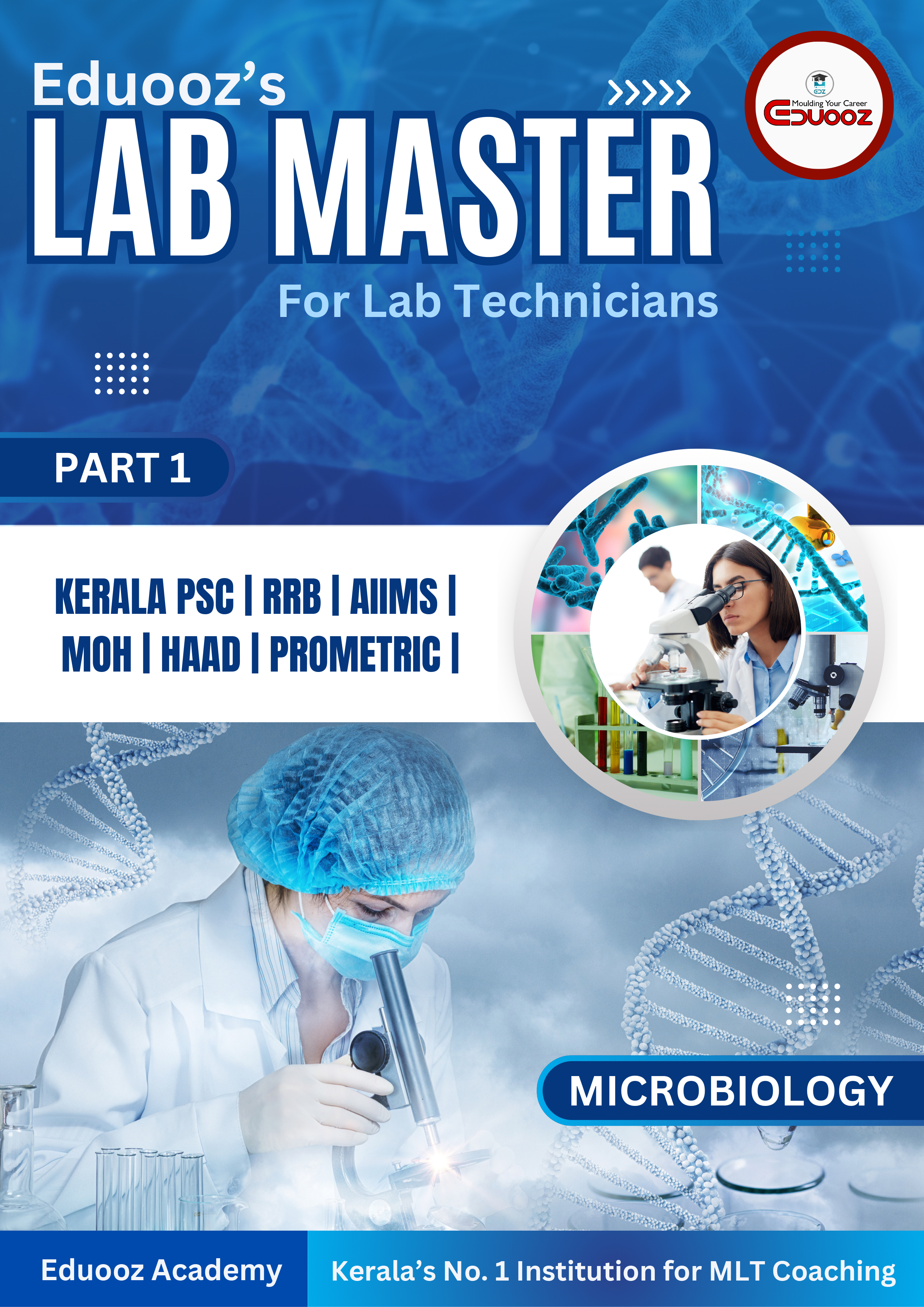
LAB MASTER Part 1 front cover
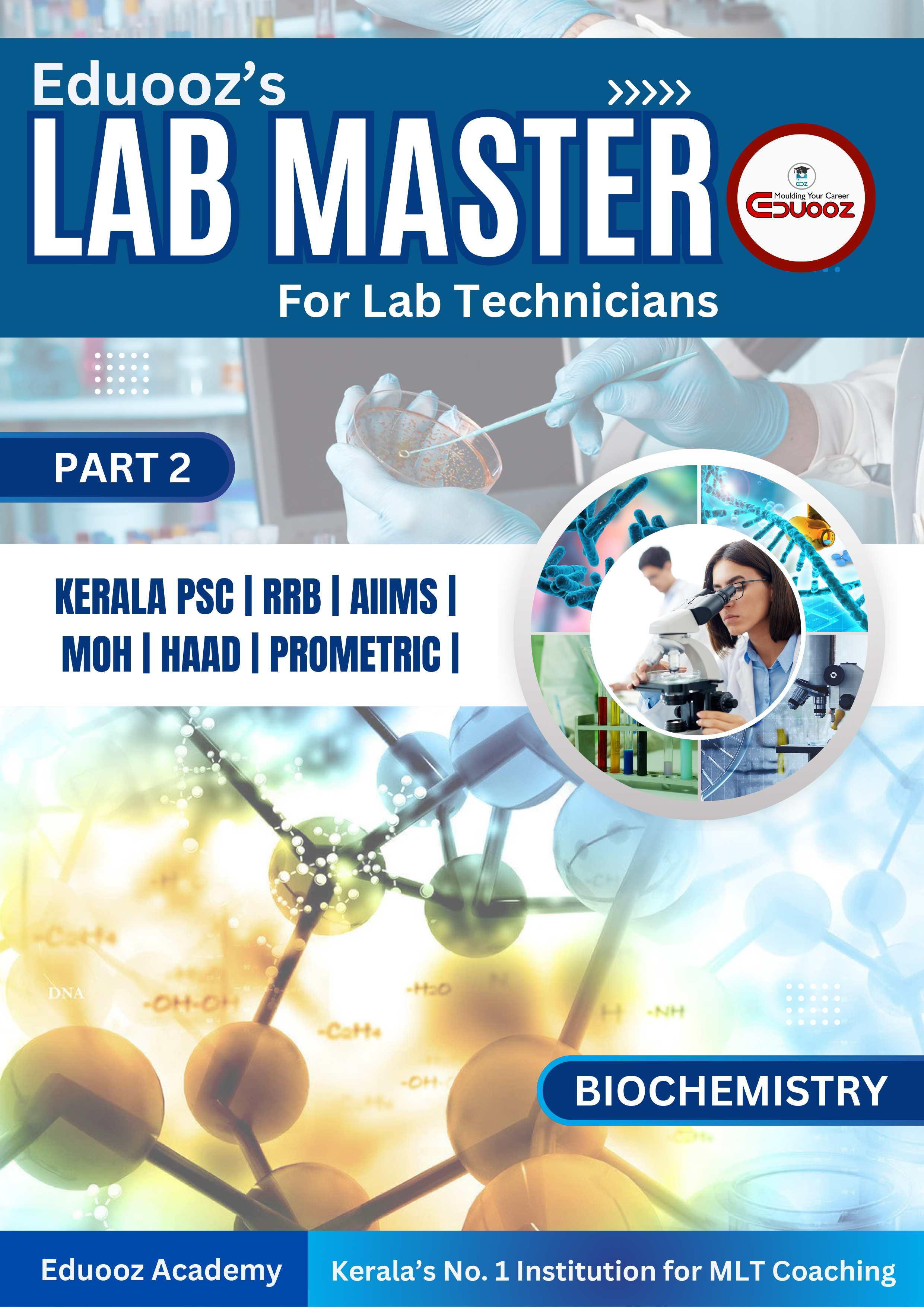
LAB MASTER Part 2 front cover
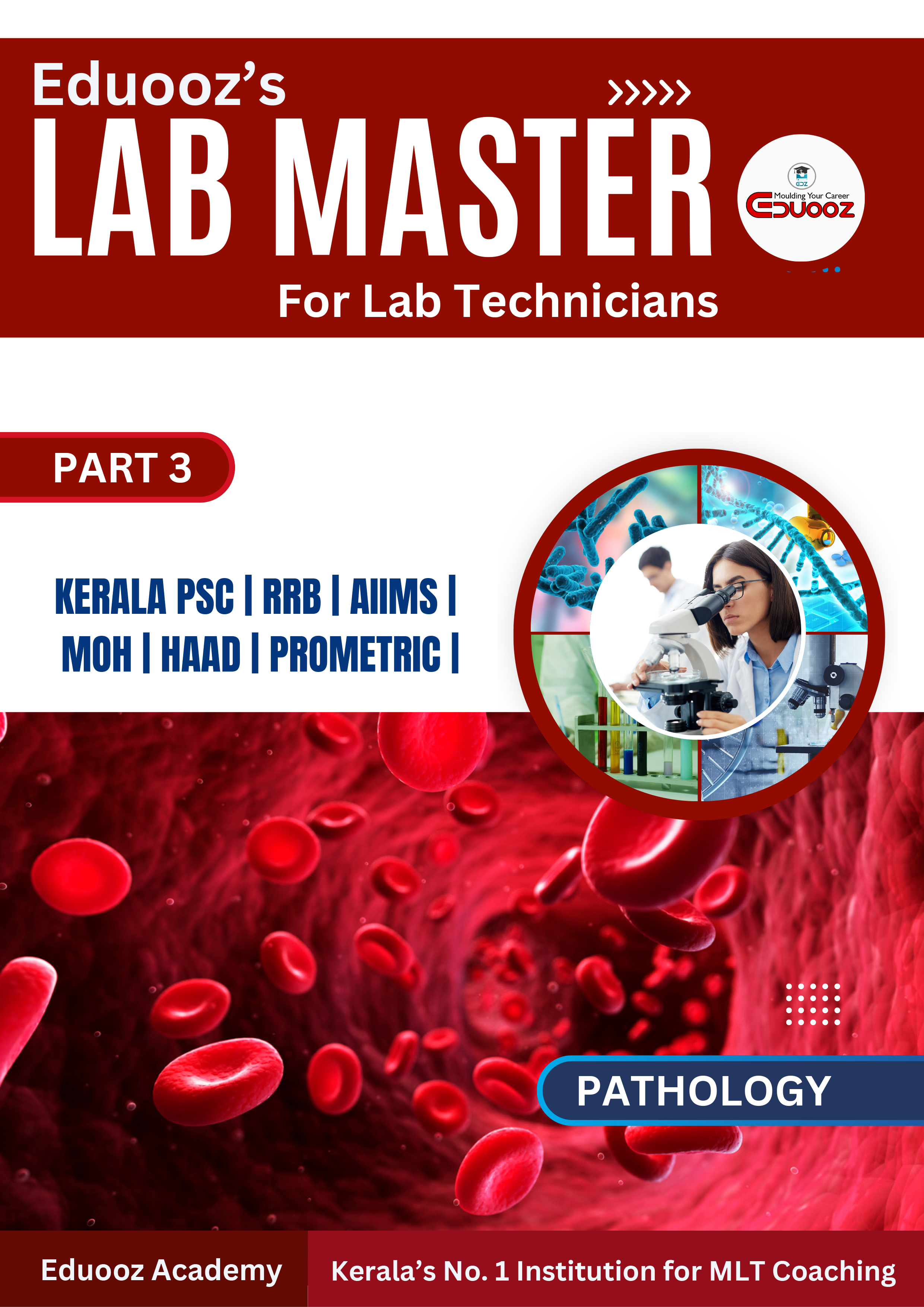
LAB MASTER Part 3 front cover
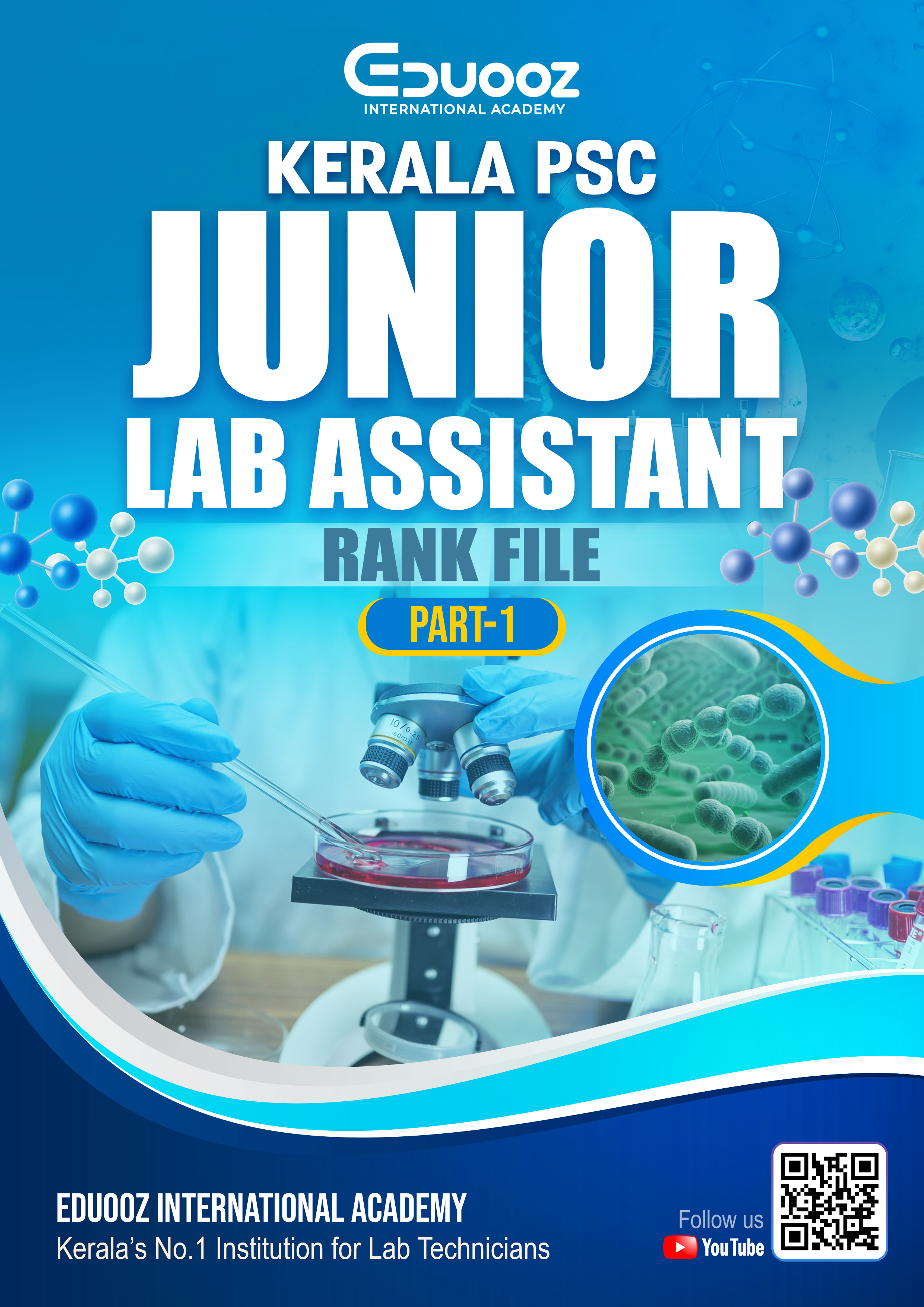
JLA Part 1 front cover

Learn from the Experts Behind
Thousands of Lab Technician Success Stories.

Guidance from experienced educators, subject specialists, rank holders, and exam strategists who understand exactly what it takes to crack the DHS MLT Exam.


Eduooz Faculty Eduooz Faculty

Hear It From The Lab Technicians
Who Cracked DHS MLT Exam.

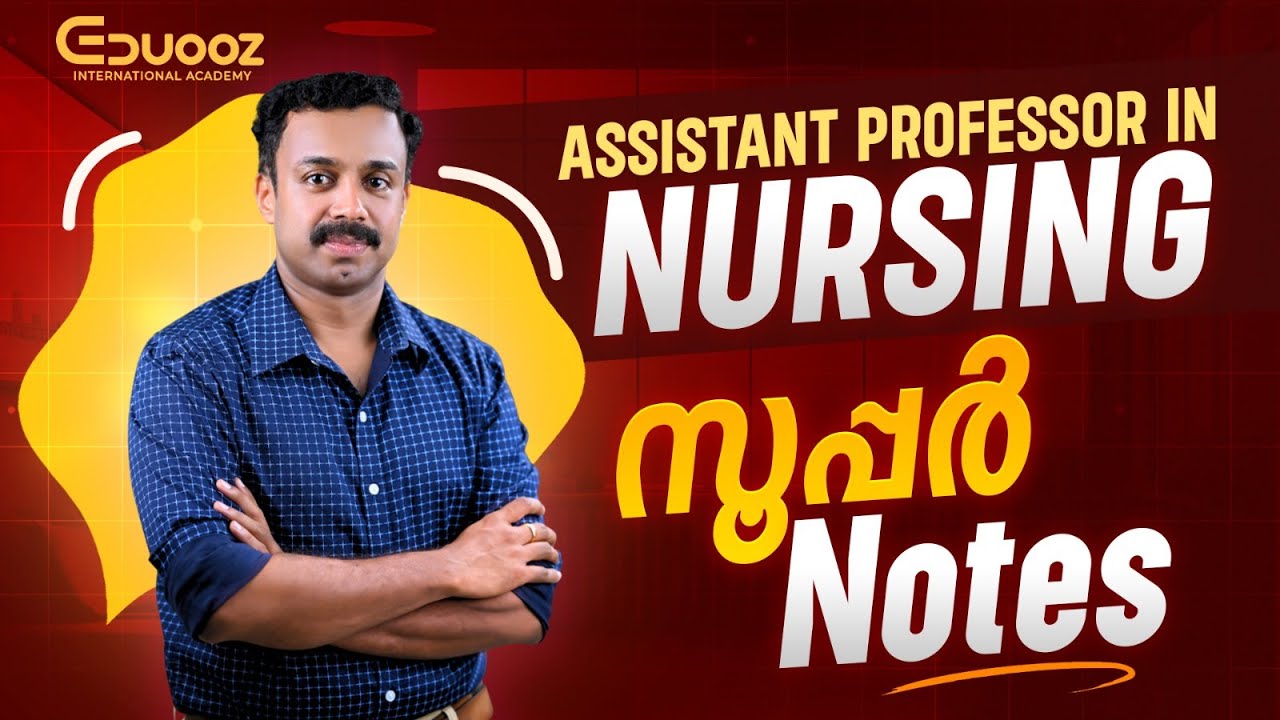
Super notes for Assistant Professor in Nursing

Super notes for Assistant Professor in Nursing

Latest Upload · 2025
"Watch our latest nursing upload on our YouTube channel. More testimonial videos will be added soon."
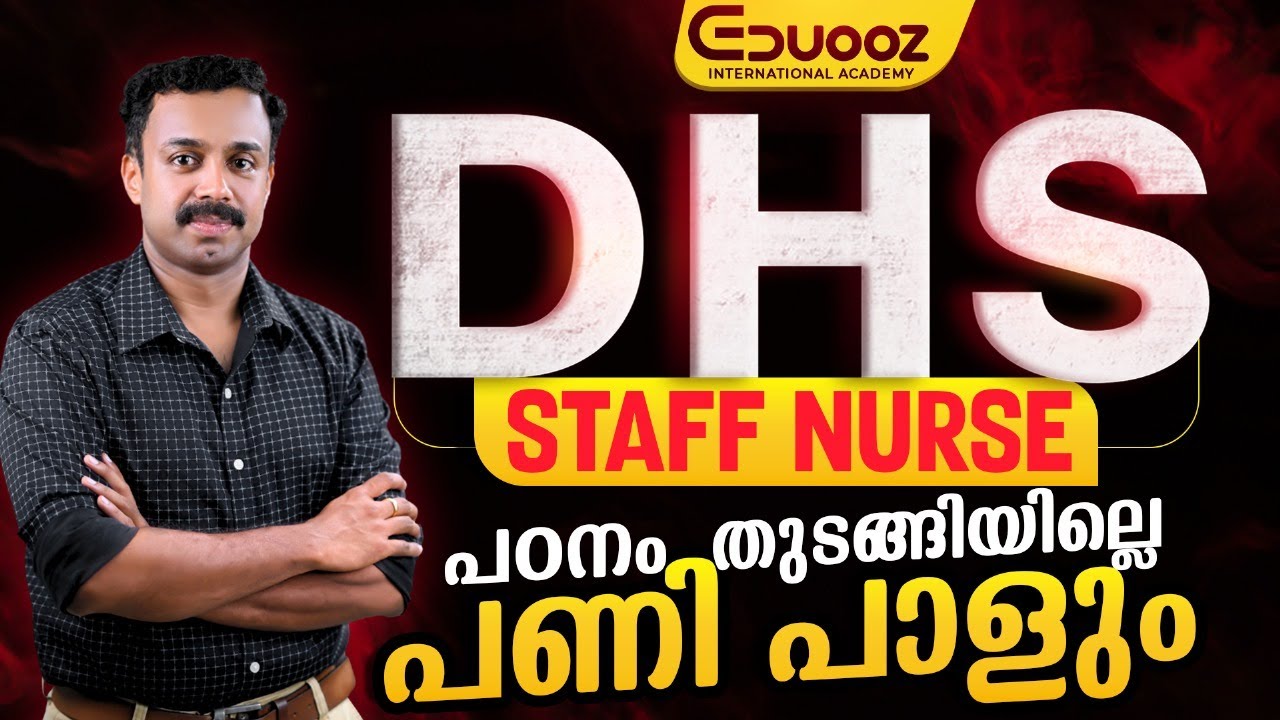
01
DHS Staff Nurse Exam Preparation 2025

DHS Staff Nurse Exam Preparation 2025

Exam Guide · 2025
"Exam Guide · 2025"
02
Mission NORCET 11 | Eduooz Academy

Mission NORCET 11 | Eduooz Academy

NORCET · 2025
"NORCET · 2025"
03

Trusted by Thousands of Lab Technicians.

4.9

Google Rating

0+ Google Reviews
0+ Students Enrolled
0+ Selections Made
0% Pass Rate
Trusted by 3000+ Lab Tech Aspirants
Lab Technician Exam Focused Training
Structured CBT Preparation
Dedicated Mentor Support
Previous Year Paper Analysis
Mock Exam Platform
9:41
Mock Test Completed! Score: 178/200 · Rank Top 5%
Eduooz Home Dashboard
Course Listing
Mock Test Interface
Performance Analytics
Practice & Study Materials
Leaderboard

Download the Eduooz App.

Access live classes, mock tests, study materials, and performance analytics anywhere, anytime. The complete DHS MLT preparation ecosystem always in your pocket.

0%
Pass Rate
0%
Satisfaction
0%
App Uptime
0%
Accuracy Gain
Live & Recorded Classes
500+ hours with interactive Q&A sessions
CBT Mock Tests
150+ full-length tests mirroring the actual DHS MLT Exam
Performance Tracking
Real-time analytics, rank tracking & insights
Offline Study Materials
Download notes, PPTs & videos for offline use

Related Resources.

Everything you need to know.

From exam eligibility to career growth, find answers to your most pressing DHS MLT Exam preparation questions.

The DHS MLT Exam is a competitive examination conducted for selecting eligible candidates for Medical Laboratory Technician (MLT) posts under the Department of Health Services (DHS). The exam evaluates candidates' knowledge and skills in medical laboratory technology for working in government healthcare institutions.

Candidates who have completed Diploma in Medical Laboratory Technology (DMLT), B.Sc Medical Laboratory Technology (B.Sc MLT), or equivalent recognized qualifications are generally eligible to apply.

The required qualification generally includes a Diploma in Medical Laboratory Technology (DMLT), B.Sc Medical Laboratory Technology (B.Sc MLT), or other equivalent laboratory science qualifications from recognized institutions.

Yes, candidates may require registration with the relevant Paramedical Council or State authority, depending on the recruitment notification and government rules.

The age limit varies according to the official DHS notification. Age relaxation is provided for SC, ST, OBC, EWS, and other reserved categories as per government norms.

Candidates can apply online through the official DHS recruitment portal by registering, filling out the application form, uploading documents, and submitting the application fee before the last date.

The DHS MLT selection process generally includes a written examination, Computer-Based Test (CBT) or OMR examination, merit list preparation, and document verification.

The DHS MLT Exam generally consists of objective-type multiple-choice questions covering Medical Laboratory Technology subjects, general knowledge, reasoning, and related healthcare topics.

Applicants generally need educational certificates, identity proof, age proof, experience certificate (if required), category certificate (if applicable), a passport-size photograph, and signature.

Important skills include knowledge of laboratory procedures, sample handling techniques, diagnostic testing skills, quality control knowledge, and accuracy and attention to detail.

Limited Intake

Your DHS MLT Career
Starts Here.

Admission to our DHS MLT preparation tracks is curated to ensure maximum personalized mentorship. Secure your seat before the next batch closes.

Call Us Anytime

+91 8111850054

Email Us

admissions@eduooz.online

Your information is 256-bit encrypted and strictly confidential.