Admissions Open: 2026 Batch

JLA Lab Technician
Exam Coaching

Comprehensive coaching for Junior Lab Assistant (JLA) posts under Kerala health services. Covers all lab diagnostic subjects with intensive mock tests and expert mentorship.

What's Included

Complete Learning System

Enrolling Now
5 Months Intensive Track
100+ Mock Tests
Kerala PSC Exam Board

Live + Recorded Classes

Expert-Led Sessions

Free PPT Notes

All Subjects

Practice Questions

Topic-wise MCQs

Model Exams

CBT-Style Tests

Expert Mentor Support

1-on-1 Guidance

Revision Sessions

Structured Review

Unlimited Tests

Until You Crack It

Animated Classes

Highly Engaging

JLA Exam Overview.

Conducted By
Kerala Public Service Commission (Kerala PSC)
Name of Examination
Kerala PSC Junior Lab Assistant Exam
Course / Post
Junior Lab Assistant
Recruitment Type
Merit-Based Recruitment through Written Examination
Eligibility Qualification
Required qualification in Laboratory Technology, Science stream, or another discipline specified in the relevant Kerala PSC recruitment notification
Registration Requirement
Online registration through the Kerala PSC Thulasi portal, with valid eligibility documents as required
Duration / Job Type
Permanent government service post as per applicable Kerala PSC recruitment rules
Mode of Application
Online through the official Kerala PSC portal
Selection Process
Written Examination, Certificate Verification, Medical Fitness Verification, Final Appointment
Participating Institutions
Government Medical Colleges, laboratories, hospitals, and healthcare institutions under relevant Kerala Government services
Official Website

JUNIOR LAB ASSISTANT EXAM Coaching.

What is this exam?

Kerala PSC Junior Lab Assistant exam recruits support laboratory staff across Kerala healthcare institutions.

State Recruitment Kerala PSC
Junior Posts Entry-level lab roles
Government Positions Health sector jobs
Job Security State benefits
Career Growth Skill-based promotions
Salary As per PSC scales

Eligibility & Age Requirements.

Check Your Eligibility.

Official Exam Syllabus.

Module I: Basic Laboratory Techniques (10 Marks)
  • Laboratory chemicals: hazard symbols, warning symbols, safety precautions, storage of chemicals
  • Cleaning of glassware: general & new glassware, blood-stained pipettes, slides, culture plates
  • Cleaning & disinfection: disinfectants used, biosafety precautions for specimen spillage
  • Biomedical waste management: categories, colour coding, container types, collection, transport & disposal
  • Basic first aid: cuts & bruises, burn injuries
  • Sample collection & processing: barcoding, safety precautions, processing of samples
  • Common lab instruments: incubators, centrifuge, semi-autoanalyzer, colorimeter, micropipettes
  • Distillation & deionisation apparatus and use
  • Laboratory management system
Module II: Blood & Phlebotomy (10 Marks)
  • Methods of blood collection: capillary puncture, arterial & venous puncture, vacutainer colour codes
  • Sites of blood collection: capillary & venous
  • Anticoagulants used: advantages & disadvantages
  • Identification of blood cells: Leishman's staining procedure & identification
  • Blood cell types: RBC, WBC, Platelets (identifying characters & normal range)
Module II: Hematology
  • Haemocytometry counting chamber: improved Neubauer
  • Total cell counts: RBC, WBC, Platelet, Absolute Eosinophil count (diluting fluids, normal value, clinical significance)
  • Reticulocyte count: clinical significance
  • Hemoglobin estimation: methods, cyanmethhaemoglobin method, significance
  • PCV: Wintrobe's method, normal value, clinical significance
  • ESR: Westergren's method, normal value, clinical significance
  • Coagulation tests: bleeding time (Duke's method), clotting time (capillary tube method)
  • Automation: hematology analyser, haemogram, CBC principle
Module II: Blood Banking & Immunohematology (3 Marks)
  • Blood group antigens & antibodies, blood group systems (ABO & Rh in detail)
  • Blood grouping techniques: cell & serum grouping, slide & tube method
  • Transfusion phlebotomy: donor screening & selection criteria, anticoagulants
  • Compatibility testing & issue of blood
  • Cross matching: minor & major, three phases
Module III: Clinical Pathology (5 Marks)
  • Analysis of urine, sputum, stool, semen, CSF
  • Types of sample, collection of sample
  • Physical, chemical & microscopic examination techniques & their importance
Module III: Biochemistry
  • Blood glucose estimation: FBS, PPBS, RBS; enzymatic method & glucometer; normal value, clinical significance, relevance of HbA1c
  • Renal function test: blood urea, serum creatinine, clearance test (urea & creatinine)
  • Liver function test: bilirubin estimation (Malloy & Evelyn method)
  • Lipid profile: tests included, cholesterol estimation method
  • Other diagnostic parameters: serum electrolytes (sodium, potassium), cardiac markers, tumor markers, clinically important hormones & enzymes
  • Automation in biochemistry: types of analyser, assay techniques, POCT
Module IV: Microbiology (5 Marks)
  • Classification of bacteria based on morphology
  • Sterilization methods: hot air oven, autoclave (operation, precautions, use)
  • Disinfectants & antiseptics, culture media classification, culture methods (streak, stroke, stab, lawn, anaerobic/gaspak)
  • Identification of bacteria: motility detection (hanging drop method)
  • Staining: simple, gram, AFB stain โ€“ techniques & diagnostic significance
  • Biochemical tests: oxidase, coagulase, catalase, IMViC
  • Serological techniques: Widal test, RPR/VDRL, ELISA, PCR
Module IV: Parasitology (2 Marks)
  • Laboratory diagnosis of malaria: disease, transmission, host, causative agent, types
  • Thick & thin smear preparation, stains used (Leishman, Fields, JSB), card method, QBC
  • Laboratory diagnosis of filariasis: transmission, nocturnal habit, wet & thick smear examination, concentration techniques
Module IV: Histotechnology & Cytology (5 Marks)
  • Tissue processing steps, fixation techniques, histokinette, microtomes, H & E staining
  • Diagnostic cytology: types of specimen, processing, fixation (fixatives used), staining
  • Advantages & application of diagnostic cytology
Module I: Units, Measurements, Kinematics & Dynamics (4 Marks)
  • Units & measurements: CGS & SI systems, parallax method, significant figures, accuracy, precision, errors
  • Kinematics: motion in a line & plane, position-time & velocity-time graphs, equations of motion, vector addition, uniform circular motion
  • Dynamics: Newton's laws, impulse, conservation of momentum, friction, work-energy-power, elastic & inelastic collisions
  • System of particles & rotational motion: angular momentum, torque, moment of inertia, parallel & perpendicular axes theorems
  • Gravitation: acceleration due to gravity & its variation, orbital velocity, escape velocity, Kepler's third law
Module II: Mechanics of Solids & Fluids, Heat, Oscillations (3 Marks)
  • Elasticity: stress-strain, moduli of elasticity, stress-strain graph
  • Fluid pressure: Pascal's law, surface tension, viscosity, Bernoulli's theorem, equation of continuity, terminal velocity
  • Heat & thermodynamics: principle of mixture, temperature scales, specific heat capacity, laws of thermodynamics, Carnot's engine
  • Oscillation & waves: SHM, simple pendulum, longitudinal & transverse waves, vibration in air columns, beats, Doppler effect
Module III: Electrostatics, Current Electricity & Magnetism (4 Marks)
  • Electrostatics: quantization of charge, Coulomb's law, electric field, Gauss's theorem, capacitance
  • Current electricity: Ohm's law, current density, colour code of resistors, drift velocity, potentiometer
  • Moving charges & magnetism: Biot-Savart's law, galvanometer to ammeter/voltmeter, classification of magnetic materials
  • Electromagnetic induction & AC: Faraday's laws, eddy current, self induction, AC generator, transformers
  • Electromagnetic waves: properties, uses, electromagnetic spectrum
Module IV: Optics & Modern Physics (4 Marks)
  • Ray & wave optics: reflection, refraction, total internal reflection, lens maker's formula, microscope, interference, polarisation
  • Modern physics: photoelectric effect, Einstein's equation, matter waves, Bohr atom model, half-life, nuclear reactor
  • Semiconductor physics: energy bands, doping, PN junction diode, rectifiers, Zener diode, photodiode, LED
Module I: Physical Chemistry (5 Marks)
  • Basic concepts: mole concept, molarity calculations
  • Structure of atom: atomic models (Rutherford, Bohr), orbitals, quantum numbers, shapes of s, p, d orbitals, filling rules
  • Equilibrium: concept of pH
  • Electrochemistry: galvanic (voltaic) & electrolytic cells
  • Surface chemistry: colloids & emulsions, types of colloids with examples
Module II: Inorganic Chemistry (5 Marks)
  • Periodic classification: modern periodic table, periodic trends (atomic radii, electronegativity)
  • Hydrogen: types of water, hardness & removal, hydrogen peroxide
  • S-block elements: biological importance of sodium & calcium
  • P-block elements: allotropes of diamond & graphite, compounds of nitrogen & sulphur
  • Applications of d & f block elements
Module III: Organic Chemistry (5 Marks)
  • Basic principles & techniques: IUPAC nomenclature, purification methods (distillation, crystallization, sublimation)
  • Hydrocarbons: general formula of alkanes
  • Tests for alcohols, phenol, aldehydes, ketones
  • Alcohols: isopropyl alcohol, glycerol
  • Chemistry in everyday life: food, medicines (antiseptic, antibiotic), cleansing agents
  • Biomolecules: carbohydrates, proteins, vitamins, nucleic acids
  • Polymers: polystyrene, polyurethane, silicones, polycarbonates, polyether, polyester
Module I: Cell Structure & Function (2 Marks)
  • Cell theory, prokaryotic & eukaryotic cells, cell organelles โ€“ structure & function
  • Cell cycle & cell division: interphase, mitosis, meiosis
Module II: Reproduction (2 Marks)
  • Reproduction in organisms: asexual methods, vegetative propagules, sexual reproduction (ovipary, vivipary)
  • Sexual reproduction in flowering plants: stamen, microsporangium, pollen grain, pistil, ovule
  • Pollination, outbreeding devices, artificial hybridisation, double fertilization
  • Endosperm, embryo, seed, apomixis, polyembryony
Module III: Biology in Human Welfare (1 Mark)
  • Animal husbandry: farm & farm animal management, animal breeding, bee keeping, fisheries
  • Plant breeding, biofortification, single cell protein, tissue culture
Module IV: Biotechnology (3 Marks)
  • Principles of biotechnology, tools of recombinant DNA technology, gel electrophoresis, cloning vectors
  • Recombinant DNA process: DNA isolation, PCR amplification, foreign gene product, downstreaming
  • Applications in agriculture & medicine, transgenic animals, ethical issues
Module V: Ecology (2 Marks)
  • Organisms & populations: abiotic factors, adaptations, population attributes, growth, interactions
  • Ecosystem: structure, function, productivity, decomposition, energy flow, ecological pyramids & succession, nutrient cycling
  • Environmental issues: air & water pollution, greenhouse effect, global warming, ozone depletion, deforestation, conservation
Module I: Human Physiology (5 Marks)
  • Digestion & absorption: digestive system parts, carbohydrate/protein/fat digestion
  • Breathing & exchange of gases: respiratory system, mechanism of breathing, gas transport
  • Body fluids & circulation: heart structure, cardiac cycle, ECG
  • Excretory products & elimination: kidney structure, urine formation, hormonal regulation
  • Locomotion & movement: muscle types & contraction, human skeleton, joints
  • Neural control & coordination: neuron structure, brain, eye & ear
  • Chemical coordination: endocrine glands, hormones & functions
  • Human reproduction: reproductive systems, gametogenesis, fertilization, embryonic development
  • Reproductive health: STDs, contraceptives, assisted reproductive technologies
Module II: Genetics (2 Marks)
  • Heredity & variation: co-dominance, multiple alleles, chromosomal & Mendelian disorders, sex determination
  • Molecular basis of inheritance: DNA structure & function, central dogma (transcription & translation), DNA fingerprinting
Module III: Biology in Human Welfare (1 Mark)
  • Human health & diseases: types of immunity, immune system, allergy, AIDS, cancer
Module IV: Animal Kingdom (2 Marks)
  • Characteristic features & examples of Porifera, Coelenterata, Platyhelminthes, Aschelminthes
  • Characteristic features & examples of Annelida, Arthropoda, Mollusca, Echinodermata, Chordata

How To Prepare.

Kerala PSC Junior Lab Assistant Exam Process.

Step 1 of 7
01
Application
02
Verification
03
Written Exam
04
Rank List
05
Certificate Verification
06
Medical Fitness
07
Final Appointment
01

Online Application Submission

Candidates apply through the official Kerala PSC Thulasi portal by submitting personal, educational, and other required details.

02

Application Verification

Submitted applications are checked against eligibility criteria, educational qualifications, age limits, and other requirements stated in the Kerala PSC notification.

03

Written Examination

Eligible candidates appear for the Kerala PSC written examination based on the Junior Lab Assistant syllabus and related subjects prescribed for the post.

04

Shortlisting and Rank List Preparation

Candidates are shortlisted based on examination performance and applicable Kerala PSC ranking criteria.

05

Certificate Verification

Shortlisted candidates must produce original documents for verification of educational qualifications, identity, category claims, and other required credentials.

06

Medical Fitness Verification

Selected candidates may undergo medical fitness verification according to applicable government service requirements.

07

Final Appointment

Final selection is completed based on rank list position, eligibility, certificate verification, medical fitness, reservation rules, and applicable Kerala PSC recruitment conditions.

Why Choose Eduooz Academy.

Why Choose Eduooz Academy for Medical Laboratory Technician exam coaching?

Why Students Love Eduooz

Live + Recorded Classes

Expert-led live sessions with recorded lectures for review and revision.

Free PPT Notes

Comprehensive visual study materials covering all key MLT subjects.

Practice Questions

Thousands of topic-wise MCQs with detailed explanations for strong preparation.

Model Exams

CBT-style mock tests that mirror real laboratory technician exam patterns.

Expert Mentor Support

Personalized guidance from experienced mentors focused on MLT success.

Periodic Revision Sessions

Structured revision cycles to ensure retention and confidence before the exam.

Unlimited Test Series

Access all test series without limits until you achieve your goal.

Engaging Animated Classes

Complex laboratory concepts explained through animations and visual storytelling.

Live & Recorded Lab Training
CBT Practice Tests
1-on-1 Guidance

Previous Year Question Papers.

Select a paper to preview

Select a paper to preview

Choose a paper from the list to preview it here

Paper Unavailable

Enroll to access and download this paper.

Download the Paper

No papers found for this year

Free Practice Tests.

Question 1 of 25 Test 1

Q1.

Test 1 Completed!

Mock Test Completed!

Section-wise Score

Analytics

Section Performance

Overall Accuracy

Question Review

Study Materials.

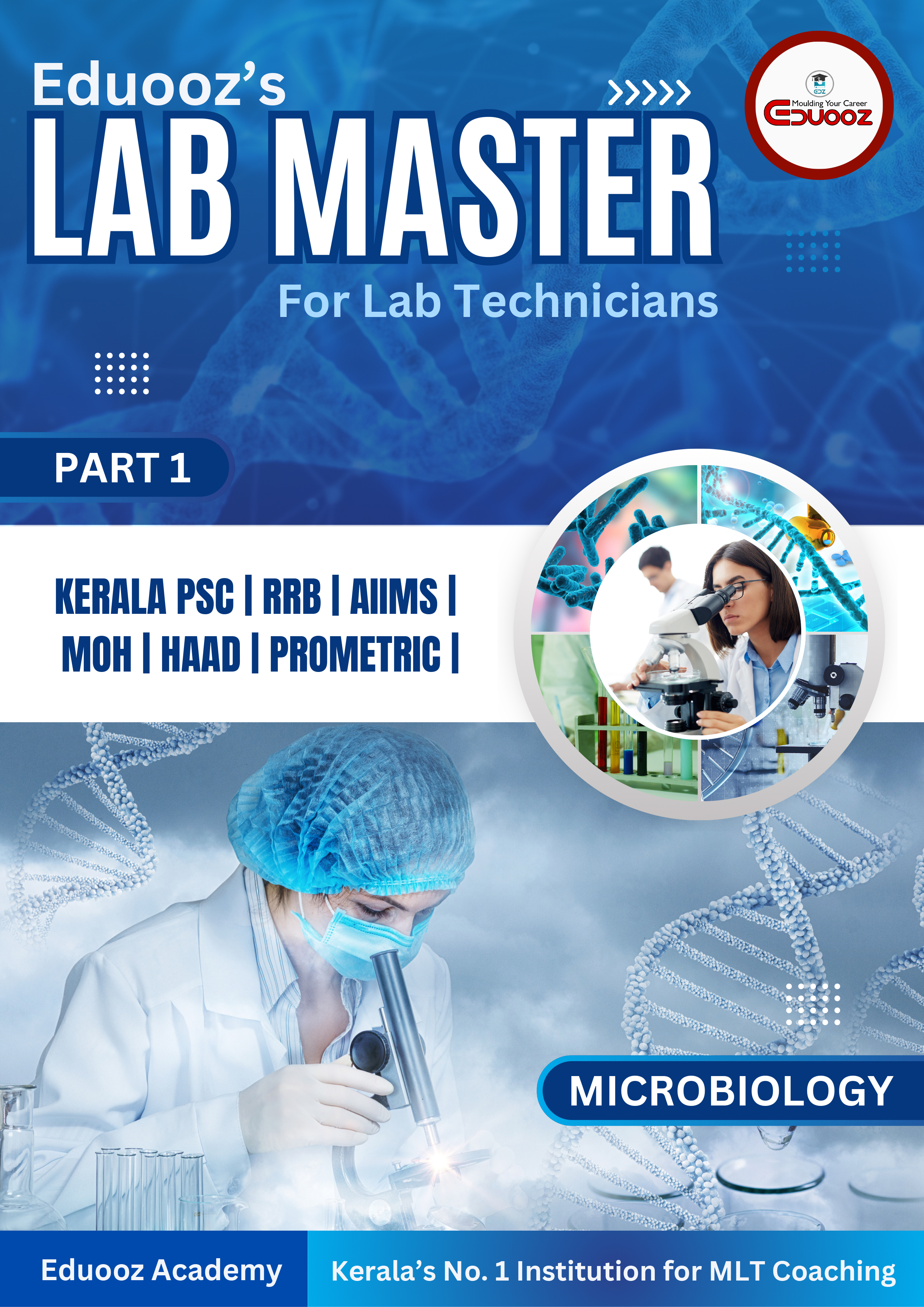
LAB MASTER Part 1 front cover
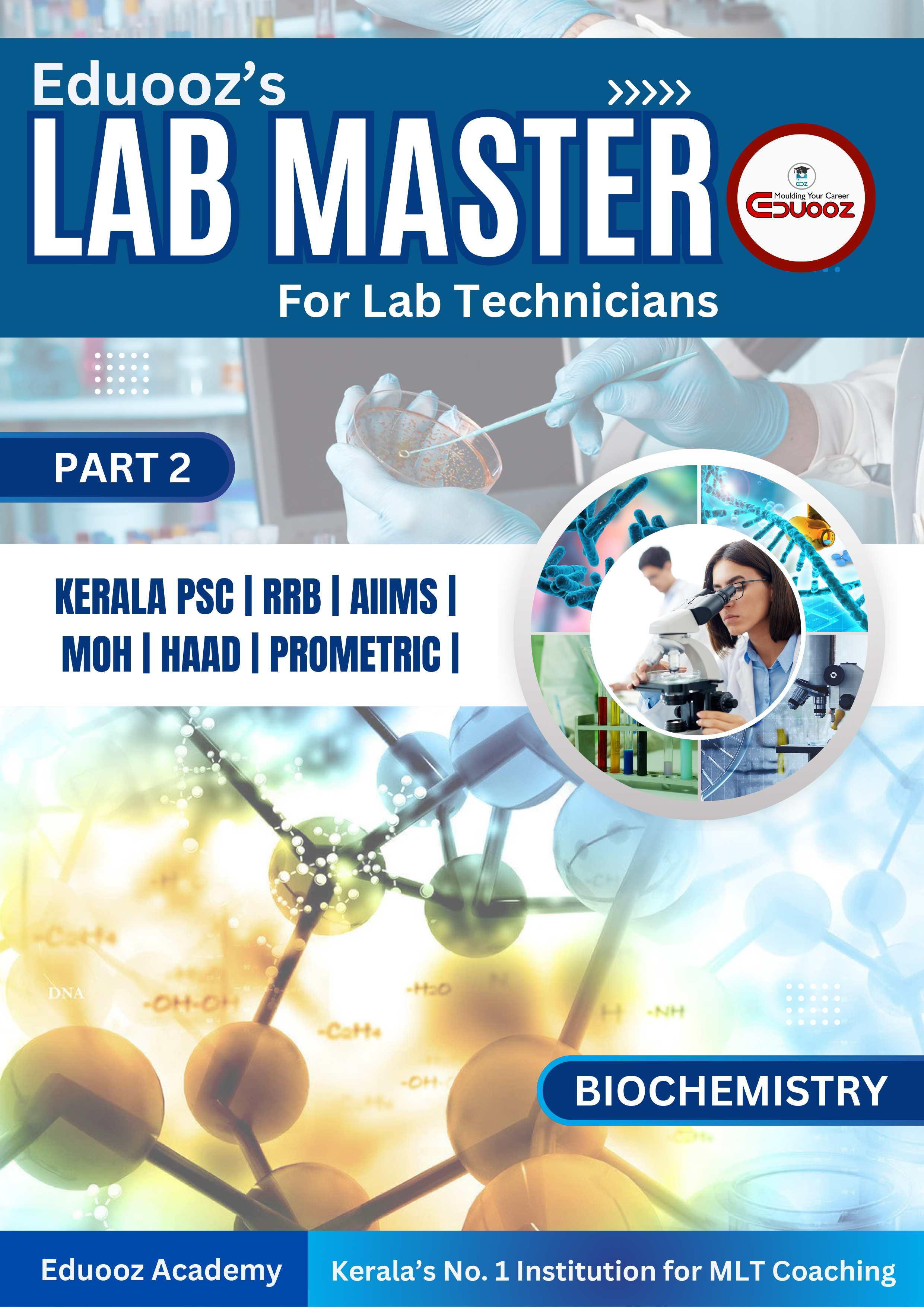
LAB MASTER Part 2 front cover
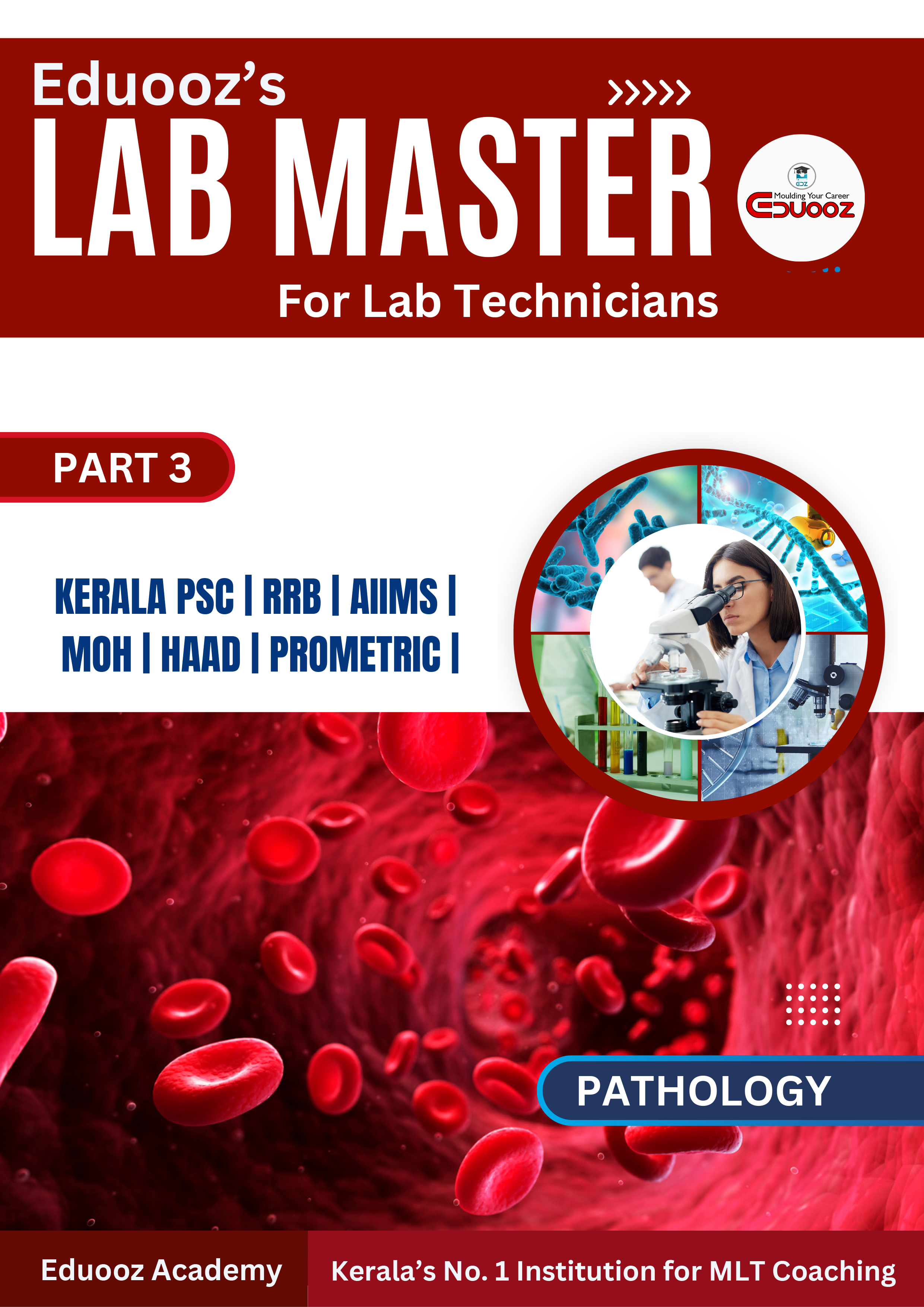
LAB MASTER Part 3 front cover
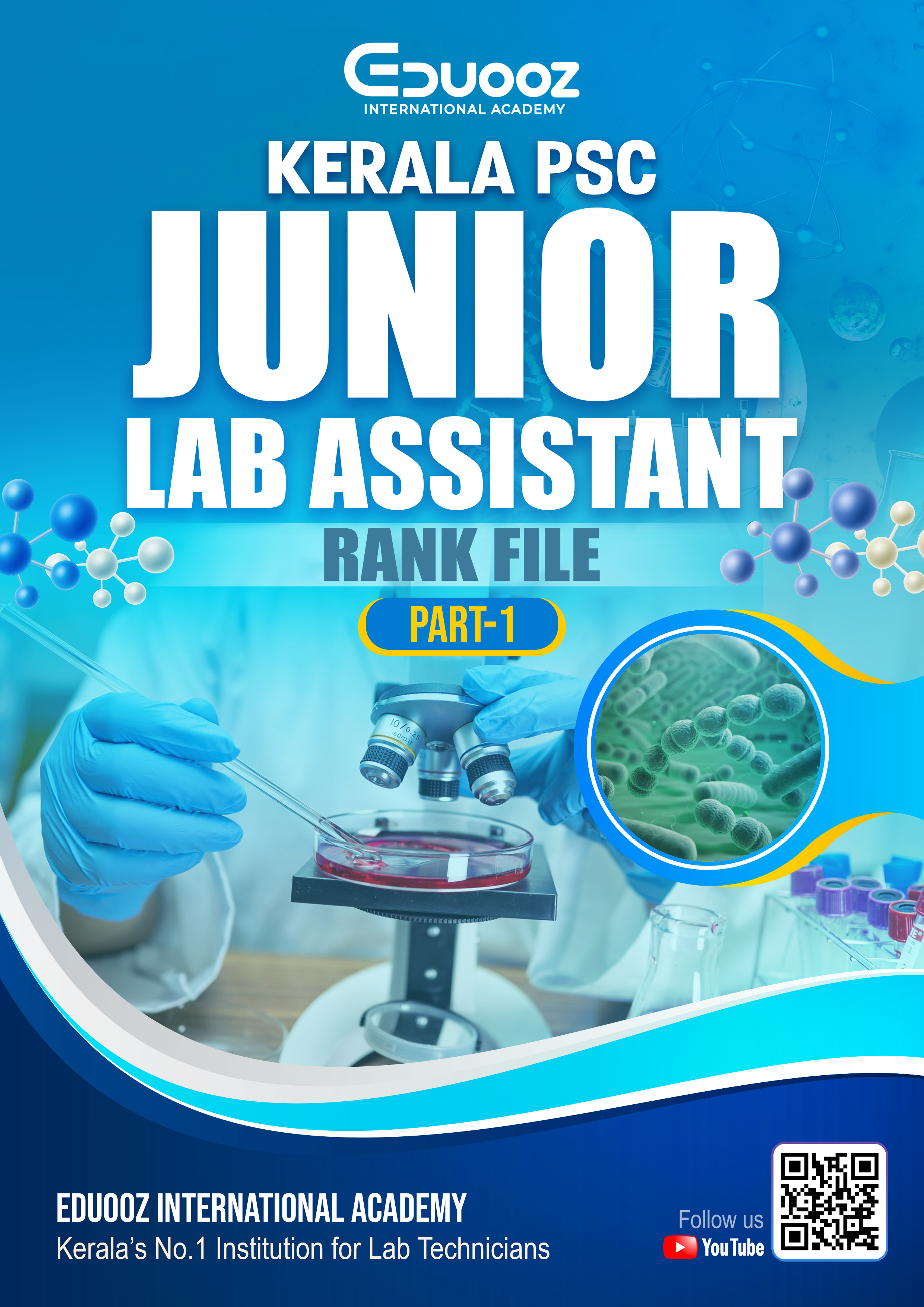
JLA Part 1 front cover

Learn from the Experts Behind
Thousands of Lab Technician Success Stories.

Guidance from experienced educators, subject specialists, rank holders, and exam strategists who understand exactly what it takes to crack the JLA Lab Technician Exam.


Eduooz Faculty Eduooz Faculty

Hear It From The Lab Technicians
Who Cracked The JLA Exam.

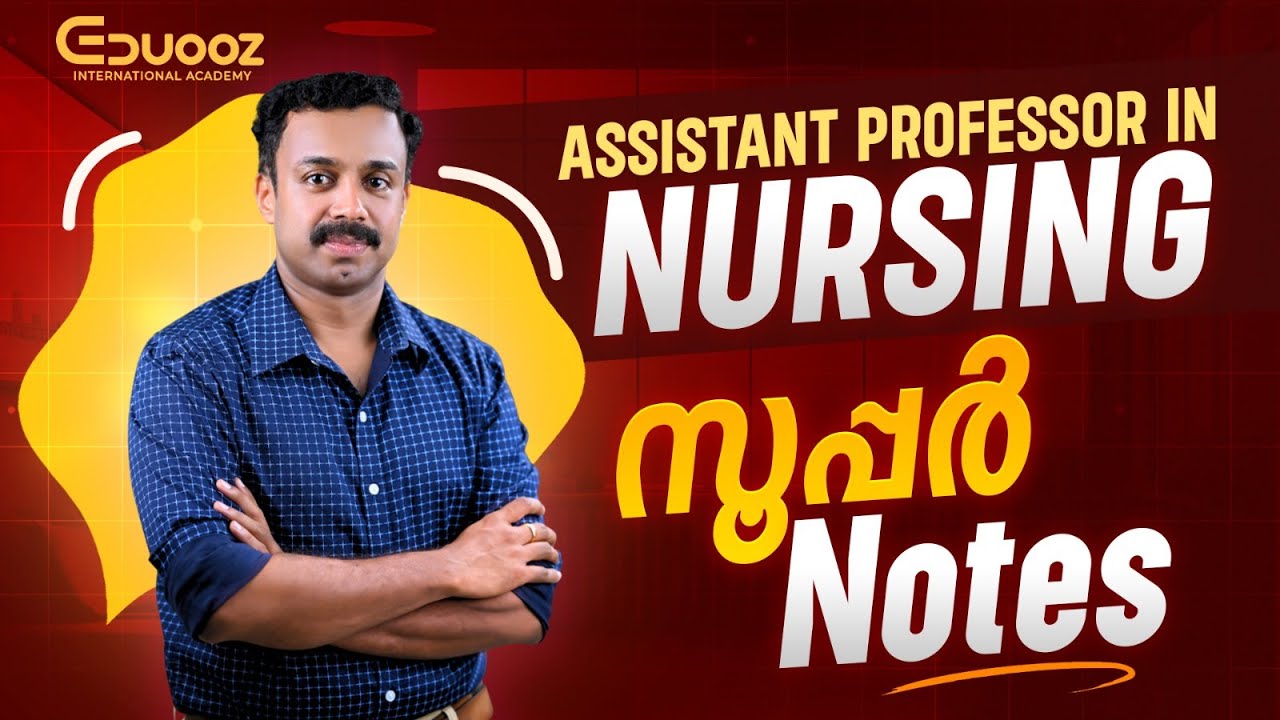
Super notes for Assistant Professor in Nursing

Super notes for Assistant Professor in Nursing

Latest Upload · 2025
"Watch our latest nursing upload on our YouTube channel. More testimonial videos will be added soon."
01
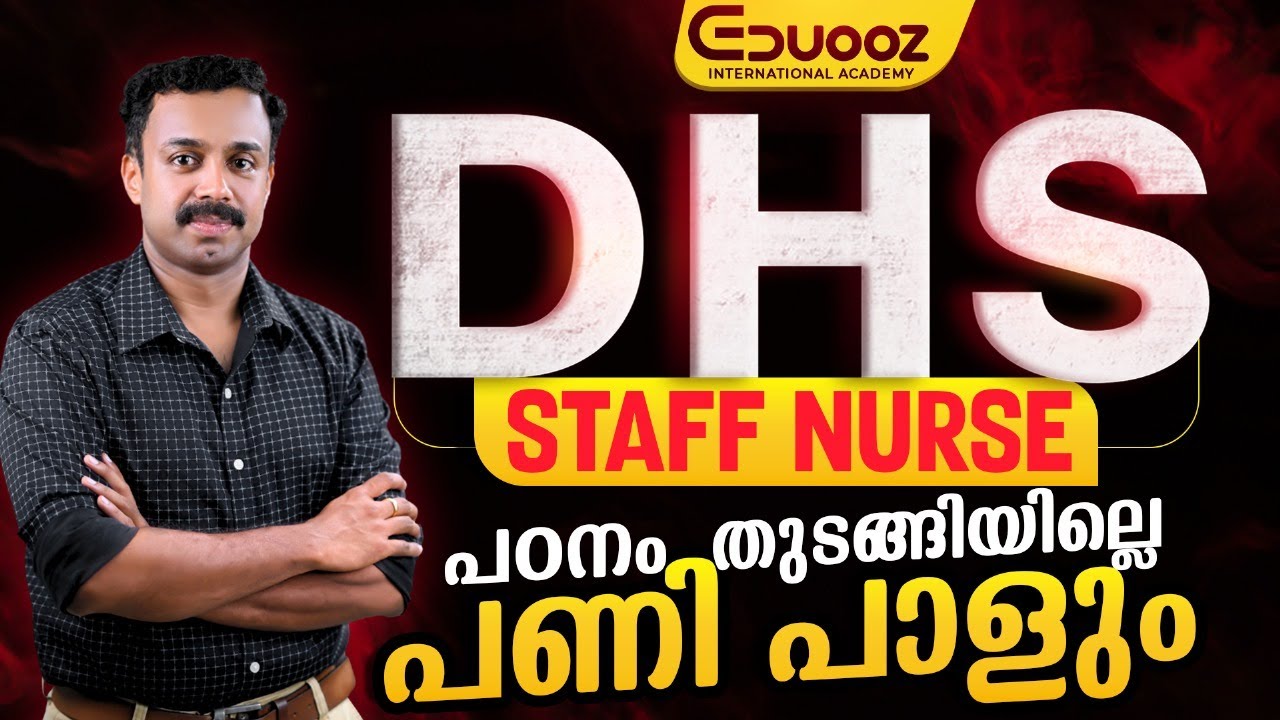
DHS Staff Nurse Exam Preparation 2025

DHS Staff Nurse Exam Preparation 2025

Exam Guide · 2025
"Exam Guide · 2025"
02
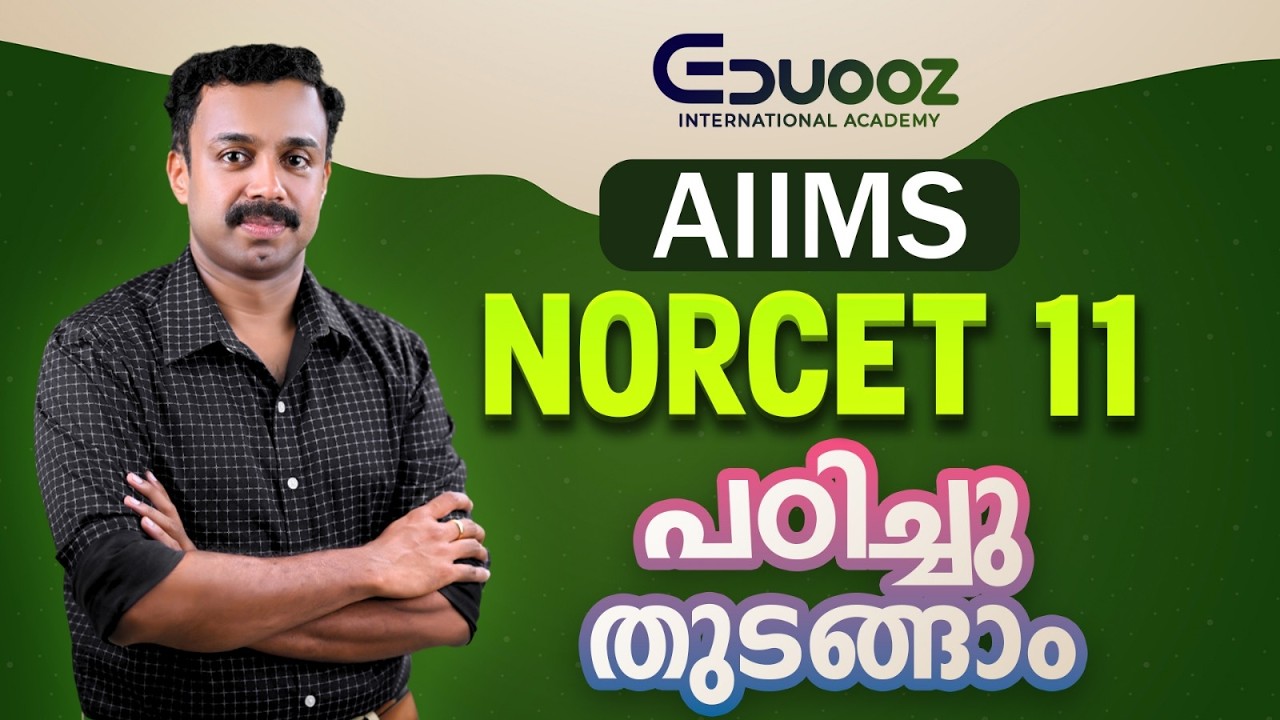
Mission NORCET 11 | Eduooz Academy

Mission NORCET 11 | Eduooz Academy

NORCET · 2025
"NORCET · 2025"
03

Trusted by Thousands of Lab Technicians.

4.9

Google Rating

0+ Google Reviews
0+ Students Enrolled
0+ Selections Made
0% Pass Rate
Trusted by 3000+ Lab Tech Aspirants
Lab Technician Exam Focused Training
Structured CBT Preparation
Dedicated Mentor Support
Previous Year Paper Analysis
Mock Exam Platform
9:41
Mock Test Completed! Score: 178/200 ยท Rank Top 5%
Eduooz Home Dashboard
Course Listing
Mock Test Interface
Performance Analytics
Practice & Study Materials
Leaderboard

Download the Eduooz App.

Access live classes, mock tests, study materials, and performance analytics anywhere, anytime. The complete JLA Lab Technician preparation ecosystem always in your pocket.

0%
Pass Rate
0%
Satisfaction
0%
App Uptime
0%
Accuracy Gain
Live & Recorded Classes
500+ hours with interactive Q&A sessions
CBT Mock Tests
150+ full-length tests mirroring actual exam patterns
Performance Tracking
Real-time analytics, rank tracking & insights
Offline Study Materials
Download notes, PPTs & videos for offline use

Related Resources.

Everything you need to know.

From exam eligibility to career growth, find answers to your most pressing Junior Lab Assistant Exam preparation questions.

The Junior Lab Assistant Exam is a competitive recruitment examination conducted for selecting eligible candidates for Junior Laboratory Assistant positions in government hospitals, research labs, educational institutions, and healthcare departments. The exam evaluates basic laboratory knowledge, technical skills, and practical aptitude.

Eligibility generally includes candidates with a Diploma in Medical Laboratory Technology (DMLT), B.Sc Medical Laboratory Technology (B.Sc MLT), a Certificate in Lab Technician courses from recognized institutions, or minimum qualifications like 10+2 in Science (Physics, Chemistry, Biology) for some posts.

Candidates generally require a Diploma or Certificate in Medical Laboratory Technology, a B.Sc in Laboratory Science or related fields, or 10+2 Science (Physics, Chemistry, Biology) for entry-level positions.

The selection process generally includes a written examination (objective or descriptive), a practical skill test or laboratory assessment, an interview or viva-voce, and document verification.

Junior Lab Assistants assist senior lab technicians in performing diagnostic tests, preparing laboratory reagents, maintaining lab equipment, recording data, and ensuring adherence to safety and hygiene protocols.

Applicants generally need educational certificates, identity and age proof, category certificate (if applicable), experience certificate (if required), and a passport-size photograph and signature.

Junior Lab Assistants can progress to Senior Laboratory Technician, Laboratory Supervisor, Technical Officer, or Laboratory Manager.

Key skills include knowledge of laboratory techniques and instruments, sample collection and handling skills, accuracy in diagnostic tests, data recording and reporting, and attention to safety and quality control.

Benefits include stable government employment, regular salary with allowances, career growth and promotions in healthcare laboratories, and experience in clinical and diagnostic laboratory techniques.

Yes, fresh diploma or B.Sc graduates are eligible for entry-level posts. Some positions may prefer candidates with 1-2 years of laboratory experience.

Limited Intake

Your JLA Lab Technician Career
Starts Here.

Admission to our JLA Lab Technician preparation tracks is curated to ensure maximum personalized mentorship. Secure your seat before the next batch closes.

Call Us Anytime

+91 8111850054

Email Us

admissions@eduooz.online

Your information is 256-bit encrypted and strictly confidential.