
Admissions Open: 2026 Batch

GPAT (GRADUATE PHARMACY
APTITUDE TEST) EXAM
Coaching

Eduooz International Academy GPAT Coaching offers expert guidance, comprehensive study materials, live classes, mock tests, and exam-focused preparation to help pharmacy graduates excel in the Graduate Pharmacy Aptitude Test (GPAT) and secure admission to top M.Pharm programs across India.

What's Included

Complete Learning System

Enrolling Now
500+ Hours Classes
10,000+ MCQs
150+ CBT Tests

Live + Recorded Classes

500+ Hours

Free PPT Notes

All Subjects

Practice Questions

10,000+ MCQs

Model Exams

150+ CBT Tests

Expert Mentor Support

1-on-1 Guidance

Revision Sessions

Structured Review

Unlimited Tests

Until You Crack It

Animated Classes

Highly Engaging

GPAT Exam Snapshot.

Conducted By
National Board of Examinations in Medical Sciences (NBEMS)
Name of Examination
Graduate Pharmacy Aptitude Test (GPAT)
Purpose
M.Pharm Admission & Scholarship / Stipend Eligibility
Admission Opportunities
As per participating institutions
Eligibility Qualification
Bachelor's degree in Pharmacy (B.Pharm) or equivalent recognized pharmacy qualification
Registration
Online registration through the official GPAT application process
Examination Mode
Computer Based Test (CBT)
Mode of Apply
Online through NBEMS Official Website
Age Limit
No Upper Age Limit
Participating Institutions
AICTE-approved pharmacy institutions across India
Official Website
NBEMS Official Website

Understanding GPAT.

What is GPAT?

The Graduate Pharmacy Aptitude Test (GPAT) is a national-level entrance examination in India used for admission to Master of Pharmacy (M.Pharm) programs. It serves as the primary screening test for candidates seeking admission to AICTE-approved pharmacy institutions and for awarding scholarships/stipends.

National Level Entrance ExamConducted by NBEMS
Single GatewayFor M.Pharm admission across India
AICTE-Approved InstitutesWide network of participating colleges
Scholarship / StipendMerit-based financial support opportunities
Career GrowthPathway to M.Pharm, research & academia
No Upper Age LimitOpen to all eligible B.Pharm graduates

Eligibility & Age Requirements.

Check Your Eligibility.

Official Exam Syllabus.

Physical Chemistry
  • Composition & physical states of matter — intermolecular forces and their impact on the state of matter; physical properties of matter, dipole moment, dielectric constant, Van der Waal's equation and critical phenomenon, liquefaction of gases, aerosols.
  • Colligative properties — the liquid state, vapour pressure, ideal and real solutions; Raoult's law, elevation of boiling point, depression of freezing point, osmotic pressure, determination of molecular weight from colligative properties.
  • Thermodynamics — first, second and third laws; thermochemical laws, isothermal and adiabatic processes, reversible processes, work of expansion, heat content, enthalpy, heat capacity, Gibbs and Helmholtz equations and chemical potential.
  • Refractive index — refractive index, specific refractivity, molar refractivity, refractometers.
  • Solutions — solubility and factors affecting it, solubility curves, types of solutions, effect of co-solvency/pH on solubility, solubility of gases and liquids in liquids and solids in liquids, critical solution temperature, law of partitioning, solute-solvent interactions, expression and calculation of concentration (molarity, molality, mole fraction, percentage).
  • Electrochemistry — electrolyte solutions and electrolysis, Faraday's laws, electron transport, electrode potential, concentration cells, half-cells, sign convention, Nernst equation, salt bridge, electromotive series, standard potential, SHE, reference and indicator electrodes, standard oxidation-reduction potential.
  • Ionic equilibrium — theory of conductivity, equivalent conductance, mobility of ions, specific conductance.
  • Kinetics — order of reactions, derivation and integrated form of rate laws, molecularity of reactions, derivation of rate constants.
Organic Chemistry
  • General principles — classification and sources of organic compounds; s, sp, sp2, sp3 hybridization, sigma and pi bonds, bond lengths/angles/energies and their significance in reactions; bond polarization, hydrogen bonds, inductive effects, resonance and hyperconjugation; homolytic and heterolytic bond fission; acidity and basicity theories; stability of electron-deficient and electron-rich species; energy content, stability and reactivity relationships; calculation of empirical and molecular formulae.
  • Different classes of compounds — IUPAC nomenclature, industrial/laboratory preparation, physical properties and reaction mechanisms (with stereochemistry) of alkanes, alkenes, alkynes, aliphatic hydroxyl compounds, alkyl halides, aldehydes & ketones, carboxylic acids and their functional derivatives.
  • Protection & deprotection of amino, hydroxyl and carbonyl groups, with examples and significance in synthesis.
  • Aromaticity & chemistry of aromatic compounds — Hückel's rule, structure of benzene, electrophilic/nucleophilic aromatic substitution, reactivity and orientation in mono- and disubstituted benzenes, benzyne mechanism.
  • Different aromatic classes — nomenclature, preparation, properties and mechanisms for aromatic hydrocarbons, phenolic compounds, aromatic/aliphatic amines, diazonium salts, aromatic nitro-compounds, aryl halides and ethers.
  • Polycyclic aromatic hydrocarbons — synthesis and reactions of naphthalene, anthracene and phenanthrene.
  • Carbonyl chemistry & named reactions — Wolff-Kishner/Huang-Minlon, Bamford-Stevens, DCC oxidation, Michael addition, Mannich reaction, Robinson annulation, Stobbe condensation, Darzens synthesis, Beckmann/Baeyer-Villiger/Curtius/Wolff/Lossen/Willgerodt/pinacol-pinacolone rearrangements, methylene transfer reactions, mono-/dialkylation of 1,3-dicarbonyls, enol ethers/acetates and enamines as protecting groups.
  • Heterocyclic chemistry — nomenclature of 3-10 membered O/S/N heterocycles (mono-, di- and fused-ring systems); synthesis of three- to six-membered rings, quinoline, isoquinoline, benzoxazole, benzothiazole, benzimidazole and benzotriazole.
  • Bridged ring systems & nomenclature — C8/C9/C11 bridged bicyclic alkanes; chemistry of hexamine, morphan, biperiden, amantadine and diazabicyclo[2.2.2]octane.
  • Kinetic & thermodynamic control of sulfonation, enolate anion formation and alkylation of enamines.
  • Stereochemistry — chirality and asymmetry; enantiomers, diastereomers, meso compounds; Newman projections and conformational analysis of n-butane; R/S configuration (CIP rules); racemic mixtures and resolution; stereoselective/stereospecific reactions; conformations and stability of substituted cyclohexanes, decalins, perhydrophenanthrenes and steroidal nuclei; introduction to atropisomerism.
  • Carbohydrates — definition, classification, D/L nomenclature, representations of sugar molecules, anomers, epimers, mutarotation, reactions of glucose, chain extension/reduction.
  • Amino acids & proteins — classification, D/L and essential/non-essential amino acids, denaturation, Strecker and Gabriel phthalimide synthesis, peptide bond formation, protecting groups, chemical/enzymatic sequencing of proteins.
  • Pericyclic reactions — HOMO/LUMO concept for 1,3-butadiene, allylic cation/radical/anion and 1,3,5-hexatriene; Diels-Alder and retro-Diels-Alder reactions.
Pharmaceutical Inorganic Chemistry
  • Pharmaceutical impurities — sources, types and effects; limit tests for heavy metals (lead, iron, arsenic, mercury) and for chloride & sulphate as per IP.
  • Monographs — importance and tests as per IP; preparation, assay and pharmaceutical uses of sodium citrate, calcium carbonate, copper sulphate, light & heavy kaolin, ammonium chloride and ferrous gluconate.
  • Isotopes — stable & radioactive isotopes, mode/rate of decay, types and measurement of radioactivity; radiopharmaceuticals (I-125, P-32, Cr-51, Co-60, Fe-59, Tc-99m) and their diagnostic/therapeutic applications; radiocontrast media, use of BaSO4.
  • Dentifrices, desensitizing agents & anticaries agents.
Medicinal Chemistry
  • Nomenclature (including stereochemistry), biological activity, mode of action, SAR and synthesis of general anaesthetics, local anaesthetics, diagnostic agents, coagulants/anticoagulants/plasma expanders, antiseptics/disinfectants/sterilants/astringents, purgatives/laxatives/antidiarrhoeal agents.
  • Detailed study (nomenclature, classification, physicochemical properties, MOA, SAR, synthesis, metabolism, uses, side effects and drug resistance where applicable) of antimalarials, antiamoebic agents, anthelmintics, antibacterial sulpha drugs, quinolone antibacterials, antimycobacterial drugs, antifungal agents, antiviral & anti-HIV drugs, thyroid/antithyroid drugs, antiallergic agents, antiulcer agents & PPIs, hypoglycemic agents.
  • Sedative-hypnotics, antiepileptics, neuroleptics, anti-anxiety drugs; antibiotics — penicillins, cephalosporins & other beta-lactams (imipenem, aztreonam), beta-lactamase inhibitors, chloramphenicol, tetracyclines, aminoglycosides, macrolides, lincomycins, polypeptide & anticancer antibiotics; steroids — corticosteroids, anti-inflammatory steroids, sex steroids, contraceptive agents, anabolic steroids, anticancer agents.
  • Narcotic & non-narcotic analgesics (NSAIDs) including morphine and its structural modifications, narcotic agonists/antagonists; adrenergic drugs (agonists/antagonists up to α2/β2); cholinergic agonists/antagonists (up to M2/N2), neuronal blockers; drugs for Parkinson's disease and neuromuscular disorders, muscle relaxants; hypertensive/antihypertensive/antianginal agents, diuretics; eicosanoids — prostaglandins, prostacyclins, thromboxanes, biosynthesis and inhibitors.
  • QSAR — linear free energy relationships, Hammett's equation, substituent constants (π, σ, Es), physicochemical parameters (pKa, partition coefficient, Rm, chemical shifts, molar refractivity, molecular connectivity), Hansch analysis (methodology, advantages, limitations).
  • Asymmetric synthesis — chirality, chiral pool, eutomers/distomers/eudismic ratio, enantioselectivity/enantiospecificity, prochiral molecules; asymmetric synthesis of captopril and propranolol.
  • Combinatorial chemistry — terminology, databases/libraries, solid-phase synthesis (Wang, Rink, dihydropyran linkers), manual/automated parallel synthesis, tea-bag method, mix-and-split synthesis of tripeptides, limitations and introduction to high-throughput screening.
Physical Pharmacy
  • Matter & properties of matter — states and changes of state, latent heat and vapour pressure, sublimation and critical point, eutectic mixtures, gases and aerosols (inhalers), relative humidity, liquid complexes, liquid crystals, glassy state, solid crystalline and amorphous polymorphism.
  • Micromeritics & powder rheology — particle size/distribution, number/weight distribution, methods of determining size and volume (optical microscopy, sieving, sedimentation), surface area, permeability, adsorption; derived properties — porosity, packing, densities, bulkiness, flow properties.
  • Surface & interfacial phenomena — liquid interfaces, surface/interfacial tension and free energy, spreading coefficient, adsorption at liquid interfaces, surfactants and HLB classification, solubilization, detergency, adsorption at solid interfaces, electrical properties of interfaces.
  • Viscosity & rheology — Newtonian systems and laws of flow, kinematic viscosity, non-Newtonian systems (pseudoplastic, dilatant, plastic, thixotropic), determination by capillary/falling-ball/rotational viscometers, applications in pharmacy.
  • Dispersion systems — colloidal dispersions (types, properties, protective colloids); suspensions & emulsions — sedimentation theory, Brownian movement, flocculation, wetting, electrical properties, structured vehicles; emulsion types, theories and physical stability.
  • Complexation — classification, methods of preparation/analysis and applications.
  • Buffers — buffer equations and capacity, buffers in pharmaceutical systems, buffered isotonic solutions, tonicity measurement and adjustment calculations.
  • Solubility — miscibility and foreign substances, three-component systems, dielectric constant, ideal/non-ideal solutions, solvation and association, solubility of salts and weak electrolytes as influenced by pH and solvents, distribution of solutes between immiscible solvents, ionic dissociation and molecular association on partition, extraction, preservative action of weak acids in emulsions, distribution coefficient; concepts of dissolution and diffusion.
Pharmaceutics
  • Pharmacy profession & introduction to pharmaceuticals — pharmacy as a career, evolution of the profession, scope of pharmaceutics, history of pharmacy and the pharmaceutical industry in India and globally.
  • Introduction to dosage forms — definition of drug/new drug/dosage form, desirable properties and need for dosage forms, overview of dosage forms and novel drug delivery systems.
  • Sources of drug information — IP, BP, USP and International Pharmacopoeia; monograph structure; textbooks, journals, internet and other sources; classification of information (primary, secondary, tertiary); drug nomenclature.
  • Allopathic liquid dosage forms — formulation, vehicles and excipients for aromatic waters, syrups, elixirs, linctus, lotions, liniments, glycerites, solutions, spirits, ENT preparations, mixtures, paints and mouthwash.
  • Crude extracts — infusion, decoction, maceration, percolation, tincture and extract; preparation of dry, soft and liquid extracts.
  • Allergenic extracts — types of allergens, preparation, testing and standardization.
  • Biological products — absorbable/non-absorbable sutures and ligatures, processing, manufacturing, sterilization, packing and QC tests for catgut and nylon.
  • Pharmaceutical plant location & layout — site selection factors, plant/building layout, flow sheets, process vs product layout.
  • Dosage form necessities & additives — antioxidants, preservatives, colouring/flavouring agents, diluents, emulsifying/suspending agents, ointment bases and solvents.
  • Powders — manufacturing procedure and equipment, IP powders, effervescent granules and salts.
  • Capsules — hard and soft gelatin capsules (shell formulation, sizes, filling, storage, evaluation); microencapsulation methods and IP formulations.
  • Tablets — types, classification, granulation methods, compression machinery and tooling, defects and troubleshooting, evaluation, sugar/compression/film coating, IP formulations.
  • Parenterals — definition, types, general formulation, vehicles, production procedure/facilities, controls, IP injections, sterile powders, implants, emulsions and suspensions.
  • Suspensions & emulsions — formulation of deflocculated/flocculated suspensions, emulsion types and emulsifying agents, manufacturing procedure, evaluation and IP products.
  • Suppositories, semisolids & liquids — ideal requirements, bases, general formulation, manufacturing procedure, evaluation and IP products for suppositories, semisolid and liquid oral/external preparations.
  • Pharmaceutical aerosols — propellants, formulation, manufacturing/packaging methods, applications and environmental impact of propellants.
  • Ophthalmic preparations — requirements, formulation, methods of preparation, containers, evaluation and IP products.
  • Preformulation — physical properties (particle size, crystal form, solubility, wetting, flow, compressibility) and chemical properties (hydrolysis, oxidation, racemization, polymerization, isomerization, decarboxylation, enzymatic decomposition) affecting the finished product; formulation additives and stabilizers.
  • Stability of formulated products — regulatory requirements, shelf life, overages, containers/closures, reaction rate and order, acid-base catalysis, accelerated stability testing.
  • Prolonged-action pharmaceuticals — oral product terminology, drug elimination rate, implant construction and evaluation, parenteral absorption and evaluation.
  • Novel drug delivery systems — supercritical fluid technology, transdermal and controlled drug delivery, multiple emulsions, nanoparticles, targeted delivery, aerosols and inhalation.
  • GMP & validation — GMP guidelines and elements (area, process, product controls); types and methodology of process, equipment and instrument validation.
  • Packaging materials — glass, plastic, rubber, metal and paper; QC of packages; primary/secondary/tertiary packaging; child-resistant and pilfer-proof packaging.
  • Cosmetics — formulation and preparation of dentifrices, hair creams, lipsticks, face powders, shaving preparations, skin creams, shampoos, hair dyes, depilatories and manicure preparations.
  • Pilot plant scale-up techniques — need, organization, layout, scale-up for solid/liquid dosage forms and technology transfer.
Pharmaceutical Engineering
  • Fluid flow — types of flow, Reynolds number, viscosity, boundary layer concept, basic flow equations, valves, flow meters, manometers.
  • Heat transfer — sources and mechanisms, laws of heat transfer, steam/electricity as heating media, boiler capacity, steam traps, reducing valves, lagging.
  • Evaporation — phase equilibrium, factors affecting evaporation, film evaporators, single- and multiple-effect evaporators.
  • Distillation — Raoult's law, phase diagrams, volatility, simple/steam/flash distillation, rectification, McCabe-Thiele method, azeotropic and extractive distillation.
  • Drying — moisture content, rate/time-of-drying calculations, classification and types of dryers, freeze drying and lyophilization.
  • Size reduction & separation — factors and laws governing energy/power requirements; ball mill, hammer mill, fluid energy mill, micronizer, Quadro co-mill, multi-mill.
  • Extraction & mixing — theory of extraction and equipment; theory of mixing, solid-solid/solid-liquid/liquid-liquid mixing equipment.
  • Crystallization — crystal characteristics, solubility curves, supersaturation theory, nucleation and crystal growth, types of crystallizers, introduction to polymorphism.
  • Filtration & centrifugation — filter aids/media, industrial filters (filter press, rotary, edge, leaf), principles of centrifugation.
  • Dehumidification & humidity control — wet-bulb/adiabatic saturation temperatures, psychrometric charts, humidification equipment.
  • Refrigeration & air conditioning — principles and applications.
  • Materials of construction — stainless steel, glass, ferrous/non-ferrous metals and other materials; corrosion and its prevention.
  • Automated process control — process variables and their measurement, elements of automatic control, introduction to CAM.
  • Industrial hazards & safety — mechanical, chemical, electrical, fire, dust and noise hazards; industrial dermatitis; safety requirements and equipment.
Biopharmaceutics & Pharmacokinetics
  • Drug absorption — biological and physicochemical factors, dosage-form considerations for GI absorption; pharmacokinetics — compartmental and non-compartmental models, biotransformation, distribution and elimination; variability due to body weight, age, sex, genetics, disease and drug interactions; individualization of dosing regimens.
  • Bioavailability & bioequivalence — quality parameters and assay validation, physicochemical effects on bioavailability, disintegration/dissolution rate, factors affecting and methods of determining bioavailability, bioequivalence study design and statistics, SUPAC, IVIVC, therapeutic equivalence, titration design, NDA.
  • Biopharmaceutical statistics — post-marketing surveillance and process validation.
Pharmacology
  • General pharmacology — scope and source of drugs, dosage forms and routes of administration; pharmacodynamics (mechanism of drug action, receptors, drug-receptor interactions); pharmacokinetics (ADME, pharmacogenetics, adverse drug reactions); preclinical and clinical drug development.
  • Neurohumoral transmission in the autonomic and central nervous systems; nitric oxide biosynthesis and therapeutic use; peptides and proteins as mediators.
  • Peripheral nervous system — parasympathomimetics/lytics, sympathomimetics/lytics, ganglionic stimulants/blockers, neuromuscular blockers and muscle relaxants, local anaesthetics, drugs for myasthenia gravis.
  • Central nervous system — general anaesthetics, alcohols and disulfiram, sedatives/hypnotics, antipsychotics, antidepressants, antianxiety agents, antiepileptics, antiparkinsonian drugs, nootropics, narcotic analgesics and drug dependence.
  • Cardiovascular system — haemodynamics, antihypertensives, antianginals, antiarrhythmics, drugs for CHF, antihyperlipidemics, drugs for shock, haematinics, anticoagulants, fibrinolytics and antiplatelet drugs, plasma volume expanders.
  • Urinary & respiratory systems — diuretics and antidiuretics; antiasthmatics, mucolytics, nasal decongestants, antitussives, expectorants and respiratory stimulants.
  • Endocrine system — hypothalamic/pituitary hormones, thyroid/antithyroid drugs, parathormone/calcitonin/vitamin D, insulin and oral hypoglycemics, corticosteroids, androgens, oestrogens/progesterone/oral contraceptives, drugs acting on the uterus.
  • Chemotherapy — general principles, sulphonamides, antibiotics (penicillins, cephalosporins, chloramphenicol, macrolides, quinolones, tetracyclines, aminoglycosides), chemotherapy of TB, leprosy, fungal/viral/protozoal diseases, AIDS, worm infections, UTIs, STDs and malignancy.
  • Autacoids & antagonists — histamine, 5-HT, prostaglandins/thromboxanes/leukotrienes, peptide mediators; analgesic, antipyretic, anti-inflammatory and anti-gout drugs.
  • GI pharmacology — antacids, antisecretory/antiulcer drugs, laxatives, antidiarrhoeals, appetite modulators, digestants, carminatives, emetics and antiemetics.
  • Chronopharmacology, immunopharmacology, vitamins & minerals — biological rhythms, immunostimulants/suppressants, vitamin deficiency diseases, role of minerals.
  • Principles of toxicology — treatment of poisoning (heavy metals, insecticides, opioids and addictive drugs); acute/sub-acute/chronic toxicity studies per OECD guidelines (420, 423, 425, 407, 408, 451/452).
Biochemistry
  • Cell — ultrastructure and functions of cellular constituents; applications of biochemistry to pharmacy.
  • Carbohydrates — types, functions, digestion, absorption, aerobic/anaerobic oxidation, glycogenesis/glycogenolysis/gluconeogenesis, HMP shunt, related diseases.
  • Proteins — types, functions, digestion, absorption, denaturation/renaturation, urea cycle, transamination/deamination, proteins as enzymes.
  • Lipids — types, functions, digestion, absorption, metabolism, beta-oxidation, biosynthesis of cholesterol/steroid hormones/bile acids, ketone bodies, related diseases.
  • Vitamins — classification, structures, biochemical role, sources, requirements, deficiency symptoms, vitamins as co-factors.
  • Biological oxidation & reduction — oxidative phosphorylation, electron transport chain, cytochromes and inhibitors.
  • Enzymes — classification, co-factors, kinetics, Michaelis-Menten equation, double-reciprocal plot, competitive/non-competitive inhibition.
  • Nucleic acids — types, composition, structure, Watson-Crick model, central dogma, replication/transcription/translation, post-translational modification, genetic code, mutations and repair.
  • Hereditary diseases — elliptocytosis, spherocytosis, HNPCC, diabetes insipidus.
Biotechnology
  • Plant cell & tissue culture — requirements, callus/suspension/batch culture, somatic hybridization and embryogenesis, protoplast fusion, germplasm conservation, secondary metabolite production, gene transfer techniques.
  • Animal cell culture — culture media, primary/secondary culture, cell lines, cloning, transgenic animals, xenotransplantation.
  • Fermentation technology & industrial microbiology — types of fermentation, fermenter construction and working, fermentation monitoring and in-situ product recovery.
  • Recombinant DNA technology — restriction endonucleases, DNA ligase/polymerase, reverse transcriptase, cloning and expression vectors, host cells, screening transformants, PCR, gene therapy.
  • Biotechnology-derived products — upstream/downstream processing, contaminant detection and validation, production/purification of recombinant insulin, growth hormones, interferons and blood products.
Microbiology
  • Introduction to microbiology — scope in pharmacy, five-kingdom concept, historical development, contributions of Leeuwenhoek, Koch, Jenner, Pasteur and Ehrlich.
  • Microscopy & staining — light, dark-field, phase-contrast, fluorescence and electron microscopy; Gram, acid-fast, negative, capsule and endospore staining.
  • Biology of microorganisms — bacterial morphology, growth curve, genetic exchange, drug resistance, biochemical tests; fungi and viruses — structure, cultivation and pathogenesis (HIV, prions, tumour viruses).
  • Aseptic technique, sterilization & disinfection — moist/dry heat, radiation and filtration sterilization; D-value, z-value; disinfectant evaluation (RW coefficient, Kelsey-Sykes, Chick-Martin tests).
  • Microbial spoilage, vaccines & sera — bacterial/viral vaccine manufacture and QC, antisera, allergenic extracts.
  • Microbial assay — cup-and-plate, paper disc, turbidometric and dilution methods; microbial limit tests.
Pathophysiology
  • Cell injury & adaptation — apoptosis and necrosis; inflammation and repair — mediators, chronic inflammation, wound healing.
  • Disorders of fluid, electrolyte and acid-base balance; disorders of WBCs, lymphoid tissue and RBCs.
  • Immunopathology — host-parasite relationship, host defence mechanisms, humoral/cellular immunity, antigens, hypersensitivity, autoimmunity, transplant rejection, AIDS.
  • Infectious diseases — hepatitis, STDs, pneumonia, typhoid, UTIs, tuberculosis, leprosy, malaria, dysentery.
  • Neoplastic diseases — cell growth disturbances, benign vs malignant tumours, carcinogenesis, invasion and metastasis.
  • Pathophysiology of common diseases — Parkinsonism, schizophrenia, depression, stroke, hypertension, angina, MI, CCF, atherosclerosis, diabetes mellitus, peptic ulcer/IBD, liver and renal disease, asthma/COPD.
  • Laboratory tests — liver function tests and kidney function tests.
Human Anatomy & Physiology
  • Cell physiology — cell junctions, transport mechanisms, homeostasis, ion channels, secondary messengers.
  • Blood — composition, functions, RBC/WBC/platelets, haemostasis, blood groups, clotting mechanism.
  • Gastrointestinal, respiratory, urinary and reproductive systems — structure, function and physiology, including liver, pancreas, kidney and menstrual cycle.
  • Autonomic and central nervous systems — neurohumoral transmission, reflex action, EEG, cranial nerves; sense organs — eye, ear, taste, smell and skin.
  • Skeletal system — structure, function, articulation, disorders of bones and joints.
  • Endocrine glands — anatomy and physiology of pituitary, thyroid, parathyroid, adrenal glands and pancreas.
  • Cardiovascular system — anatomy of heart and vessels, cardiac cycle, conducting system, ECG, blood pressure regulation.
  • Lymphatic system — formation and circulation of lymph; spleen and its functions.
Clinical Pharmacy & Therapeutics
  • Observational records in clinical pharmacy; clinical trials — types, phases, placebo, ethical/regulatory issues and GCP.
  • Therapeutic drug monitoring, adverse drug reactions, drug interactions and drug information services.
  • Drug therapy in paediatric/geriatric patients, pregnancy, lactation and menstruation; pharmacovigilance, nutraceuticals, essential drugs and rational drug use.
  • Drug therapy in gastrointestinal, hepatic, renal, cardiovascular, respiratory, neurological and psychological disorders.
  • Drug therapy in infections (respiratory, urinary, meningitis, TB, HIV, malaria, filaria), endocrine disorders, malignancy, and rheumatic/eye/skin disorders.
Pharmacognosy
  • Introductory pharmacognosy — historical development, scope, significance in Ayurveda, Unani, Homeopathic and Siddha systems.
  • Classification of crude drugs — alphabetical, morphological, pharmacological, chemical, taxonomical, chemotaxonomic methods; organized/unorganized, official/unofficial drugs; plant, animal and mineral sources; plant tissue culture.
  • Factors influencing quality of crude drugs — exogenous (temperature, rainfall, altitude, soil) and endogenous (mutation, polyploidy, hybridization) factors; production factors; morphology, histology and ergastic cell inclusions.
  • Techniques in microscopy — mountants, clearing agents, chemomicroscopic reagents; introduction to phytoconstituents — carbohydrates, fats, proteins, alkaloids, glycosides, flavonoids, steroids, saponins, tannins, resins, lipids and volatile oils.
  • Principles of plant classification — Algae, Fungi, Gymnosperms and key Angiosperm families with their medicinally significant drugs.
  • Pharmaceutical aids, animal products and enzymes — starches, gums, fixed oils, fibres, minerals; shellac, cochineal, beeswax, lanolin, gelatin; diastase, papain, bromelain, pepsin, trypsin and other enzymes.
  • Plant products, toxic drugs, natural pesticides — bitters, sweeteners, nutraceuticals; allergens, hallucinogens, narcotics; herbicides, fungicides, tobacco, pyrethrum and neem.
  • Adulteration & evaluation of crude drugs — organoleptic, microscopic, physical, chemical and biological methods; quantitative microscopy (stomatal index/number, palisade ratio, vein-islet number).
  • Biogenetic pathways — Calvin cycle, TCA cycle, shikimic acid pathway, Embden-Meyerhof pathway, acetate hypothesis, isoprenoid pathway.
  • Carbohydrate/lipid drugs, tannins & volatile oils — Plantago, bael, chaulmoogra/neem/shark liver oil; catechu, nutgalls, Terminalia species; mentha, coriander, cardamom, clove, eucalyptus, sandalwood and other oils.
  • Resinous drugs & glycosides — benzoin, myrrh, asafoetida, podophyllum; Digitalis, strophanthus, squill, senna, glycyrrhiza, biosynthesis of cardiac and anthraquinone glycosides.
  • Alkaloids — belladonna, cinchona, opium, ipecac, nux vomica, ergot, rauwolfia, vinca, ephedra, colchicum; biosynthesis of tropane, cinchona and opium alkaloids.
  • Extraction, isolation & phytopharmaceuticals — column/paper/TLC techniques; isolation and estimation of caffeine, digoxin, piperine, berberine, glycyrrhizin, menthol, ephedrine, quinine and guggul lipids.
  • Quality control & standardization of herbal drugs — WHO/AYUSH/pharmacopoeial guidelines, extractive/ash values, chromatographic markers, heavy metal/pesticide/microbial load testing.
  • Herbal formulations & traditional systems — Ayurvedic, Siddha, Unani, Chinese and Homeopathic principles; aristas, asavas, gutika, taila, churna, bhasma; traditional drugs like punarnava, guggul, tulsi and ashoka.
  • Plant-based industries, patents & herbal cosmetics — Indian/international patent law for natural products, IPR, herbal shampoos, conditioners and skin-care ingredients.
Pharmaceutical Analysis
  • Importance of quality control in pharmacy.
  • Acid-base titrations — Arrhenius/Lewis theories, normality/molarity/molality, primary/secondary standards, standardization, direct/back/differential titrations, pH scale and calculations, indicator theory, buffers.
  • Non-aqueous titrations — Lowry-Brønsted/Lewis concepts, protophilic/protogenic/aprotic solvents, perchloric acid assays of amines, sodium ethoxide standardization, phenol and phenobarbitone assay.
  • Oxidation-reduction titrations — half-reactions, permanganate, iodimetric/iodometric, bromometric, iodate, cerimetric, bromine and dichromate titrations with pharmaceutical assay applications.
  • Precipitation titrations — Mohr's, Volhard's and Fajans' methods; standardization and assay of sodium chloride, halides and thiourea.
  • Complexometric titrations — EDTA as multidentate ligand, stability of complexes, masking/demasking agents, metal-ion indicators, assay applications.
  • Gravimetry & extraction techniques — precipitation principles, drying/ignition; liquid-liquid extraction, distribution law, Craig method, applications in pharmacy.
  • Potentiometry & miscellaneous methods — ion-selective electrodes; diazotization, Kjeldahl nitrogen estimation, Karl Fischer titration, instrument calibration.
  • General principles of spectroscopy — electromagnetic spectrum, absorption/emission spectroscopy, Beer-Lambert law terms.
  • UV-visible spectrometry & spectrofluorimetry — electronic transitions, auxochromes, instrumentation, fluorescence/phosphorescence mechanisms, applications.
  • Flame photometry, AAS & infrared spectrometry — instrumentation, interferences, functional group and fingerprint region identification.
  • NMR & mass spectrometry — spin number, chemical shifts, coupling constants, structure prediction; ionization, fragmentation patterns and molecular ion/isotope peaks.
  • Polarography, nephelometry & turbidimetry — dropping mercury electrode, Ilkovic equation, Tyndall effect, applications.
  • Chromatography — rate/plate theory, Van Deemter equation, TLC, paper chromatography, column chromatography, GC, introduction to HPTLC and HPLC.
  • Miscellaneous — electrophoresis, lasers and masers, statistical treatment of data, sampling techniques in industry.
Pharmaceutical Management
  • Introduction to management — types, concepts, process, functions, levels and social responsibilities.
  • Planning & forecasting — nature, process, types, management by objectives, forecasting techniques.
  • Organization & research management — line/staff organization; R&D organization, categories and technology transfer.
  • Inventory management — objectives, types of inventories, requirements of effective control.
  • Communication, marketing research, leadership & motivation — process, channels, barriers; new product selection, advertising; leadership styles and motivation theories.
  • Human resource development (HRD) — definition, methods, process and HRD in Indian industry.
  • GATT, WTO & TRIPS — impact on the pharmaceutical industry, Indian Patent Act 1970 and its amendments, types of patents.
  • Standards institutions & regulatory authorities — BIS, ISO, USFDA, CDSCO, ICH and WHO.
Pharmaceutical Jurisprudence
  • Historical background of drug legislation in India; Code of Ethics for Pharmacists.
  • The Pharmacy Act, 1948 (including recent amendments).
  • Drugs and Cosmetics Act, 1940 and Rules 1945, including New Drug Applications.
  • Narcotic Drugs and Psychotropic Substances Act and Rules thereunder.
  • Drugs and Magic Remedies (Objectionable Advertisements) Act, 1954.
  • Medicinal and Toilet Preparations (Excise Duties) Act, 1955 and Rules 1976.
  • Medical Termination of Pregnancy Act, 1970 and Rules 1975; Prevention of Cruelty to Animals Act, 1960.
  • Drugs (Price Control) Order; Shops and Establishments Act; Factories Act; Consumer Protection Act.
  • Indian pharmaceutical industry overview; Industrial Development and Regulation Act, 1951.
  • Introduction to Intellectual Property Rights and the Indian Patent Act, 1970.
  • Standards institutions and regulatory authorities — BIS, ASTM, ISO, TGA, USFDA, MHRA, ICH and WHO.
  • Minimum Wages Act, 1948; Prevention of Food Adulteration Act, 1954 and Rules.
Dispensing & Hospital Pharmacy
  • Laboratory equipment, weighing methodology, handling prescriptions and labelling instructions.
  • Posological calculations for infants; enlarging/reducing formulae; displacement value; alligation, alcohol dilution and isotonic solution calculations.
  • Study of patent, proprietary and generic products — indications, contraindications, ADRs, dosage forms and packaging for antihypertensives, antihistamines, antiemetics, antacids, antidiarrhoeals, respiratory drugs, antibiotics and analgesics.
  • Compounding and dispensing of mixtures, solutions, emulsions, lotions, liniments, powders, granules, suppositories, ointments/creams, tablets and inhalations; physical/chemical/therapeutic incompatibility.
  • Reading and counselling of prescriptions from clinical practice.
  • Designing a mock pharmacy — layout, compounding, dispensing, storing, labelling, pricing and recording.
  • Procurement of drug information for drug information services; preparation of a hospital formulary.

How To Prepare.

Exam Process.

Step 1 of 6
01
Application
02
Screening
03
Admit Card
04
CBT Exam
05
Result
06
Counselling
01

Application Form and Registration

Candidates must first register and create a login through the official GPAT application portal. After registration, they complete the application form with personal details, academic details, contact information, and required documents.

02

Screening of Applications

Submitted applications are reviewed according to the prescribed eligibility conditions. Candidates must ensure that all entered details and uploaded documents are accurate.

03

Admit Card

Eligible candidates can download their admit card from the official examination portal when released. The admit card generally contains candidate details, examination date, reporting time, test centre details, and exam-day instructions.

04

Conduct of Examination

Candidates appear for the GPAT as a Computer Based Test (CBT). The examination assesses knowledge across major pharmacy subjects, including Pharmaceutics, Pharmacology, Pharmaceutical Chemistry, Pharmacognosy, Pharmaceutical Analysis, and other pharmacy-related subjects.

05

Result and Score Publication

After the examination, results and scorecards are published through the official examination system. Candidates can check their scores and should download and retain their scorecards for admission procedures.

06

Counselling and Admission

Qualified candidates can participate in admission or counselling processes conducted by participating institutions or relevant authorities. Admission may depend on GPAT score, institutional eligibility criteria, available seats, reservation rules, and individual admission procedures.

Why Choose Eduooz Academy.

Why Choose Eduooz Academy for GPAT Exam Coaching?

Why Students Love Eduooz

Live + Recorded Classes

500+ hours of expert-led live interactive sessions with lifetime access to recorded lectures for unlimited revision.

Free PPT Notes

Comprehensive visual study materials and PPT presentations covering all pharmacy subjects for quick and effective learning.

Practice Questions

10,000+ topic-wise MCQs with detailed explanations to strengthen your conceptual understanding and exam readiness.

Model Exams

150+ CBT-simulated full-length mock tests that mirror the actual GPAT exam pattern and difficulty level.

Expert Mentor Support

1-on-1 personalized guidance from AIIMS rank holders and subject experts to optimize your preparation strategy.

Periodic Revision Sessions

Structured revision sessions before every exam cycle ensuring maximum retention and recall of key concepts.

Unlimited Test Series

Access to all test series without limits until you crack the exam. Practice anytime, anywhere on any device.

Highly Engaging Animated Classes

Complex pharmacy concepts explained through 3D animations and visual storytelling for deeper understanding.

500+ Hours Live & Recorded Learning
150+ CBT Tests
1-on-1 Guidance

Free Practice Tests.

Question 1 of 25 Test 1

Q1.

Test 1 Completed!

Mock Test Completed!

Section-wise Score

Analytics

Section Performance

Overall Accuracy

Question Review

Study Materials.

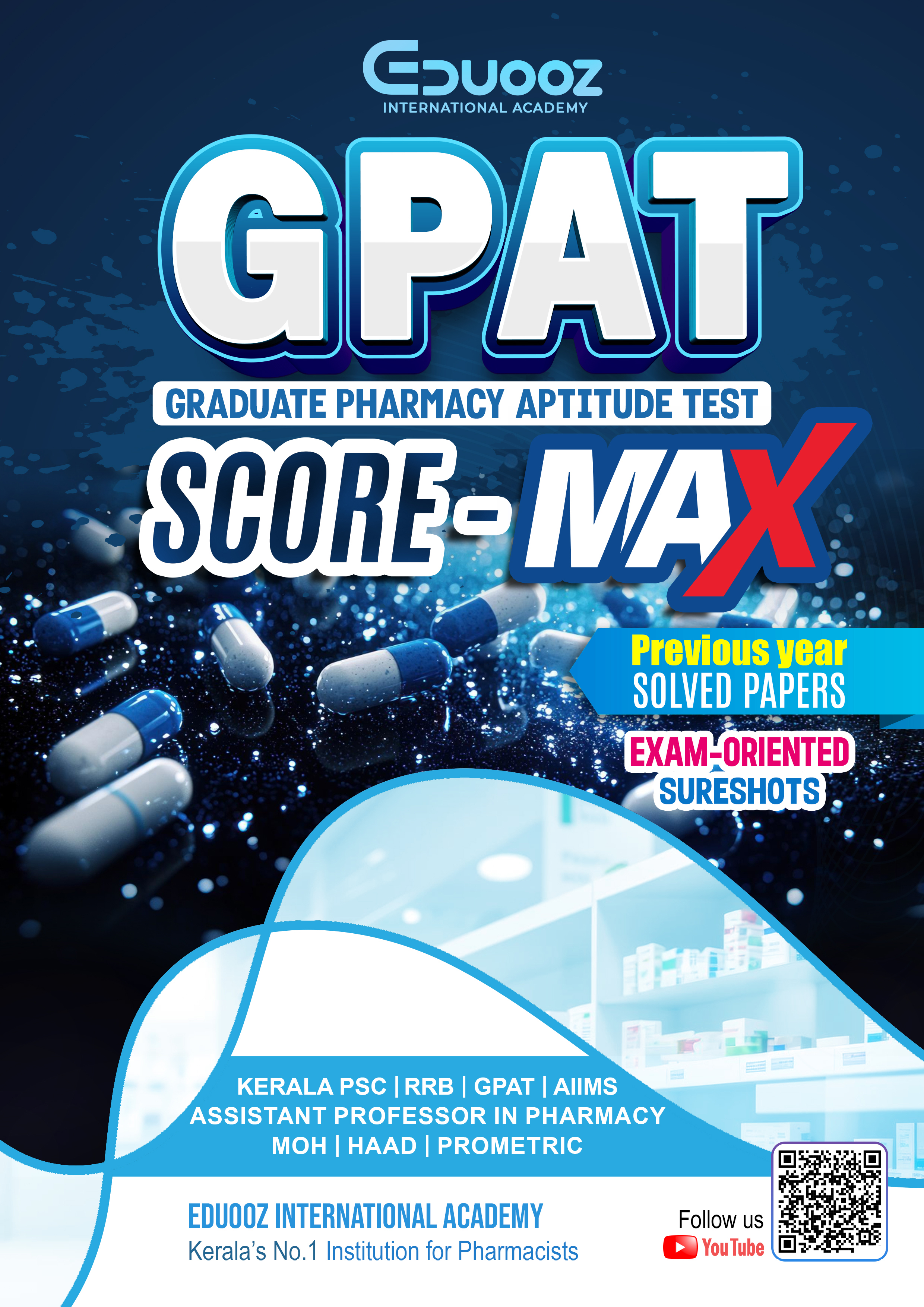
GPAT front cover
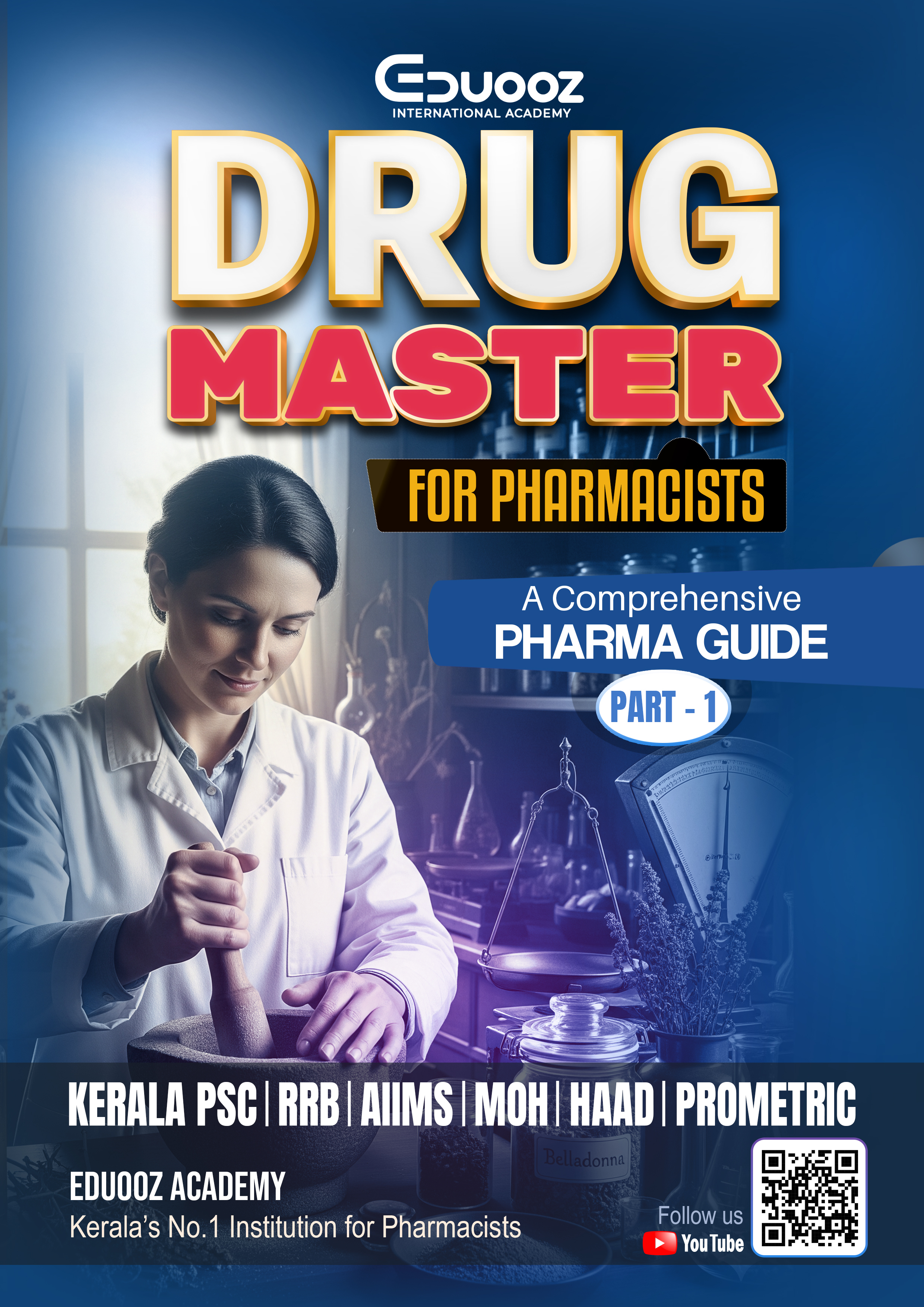
Pharmacy Drug Master Part 1 cover
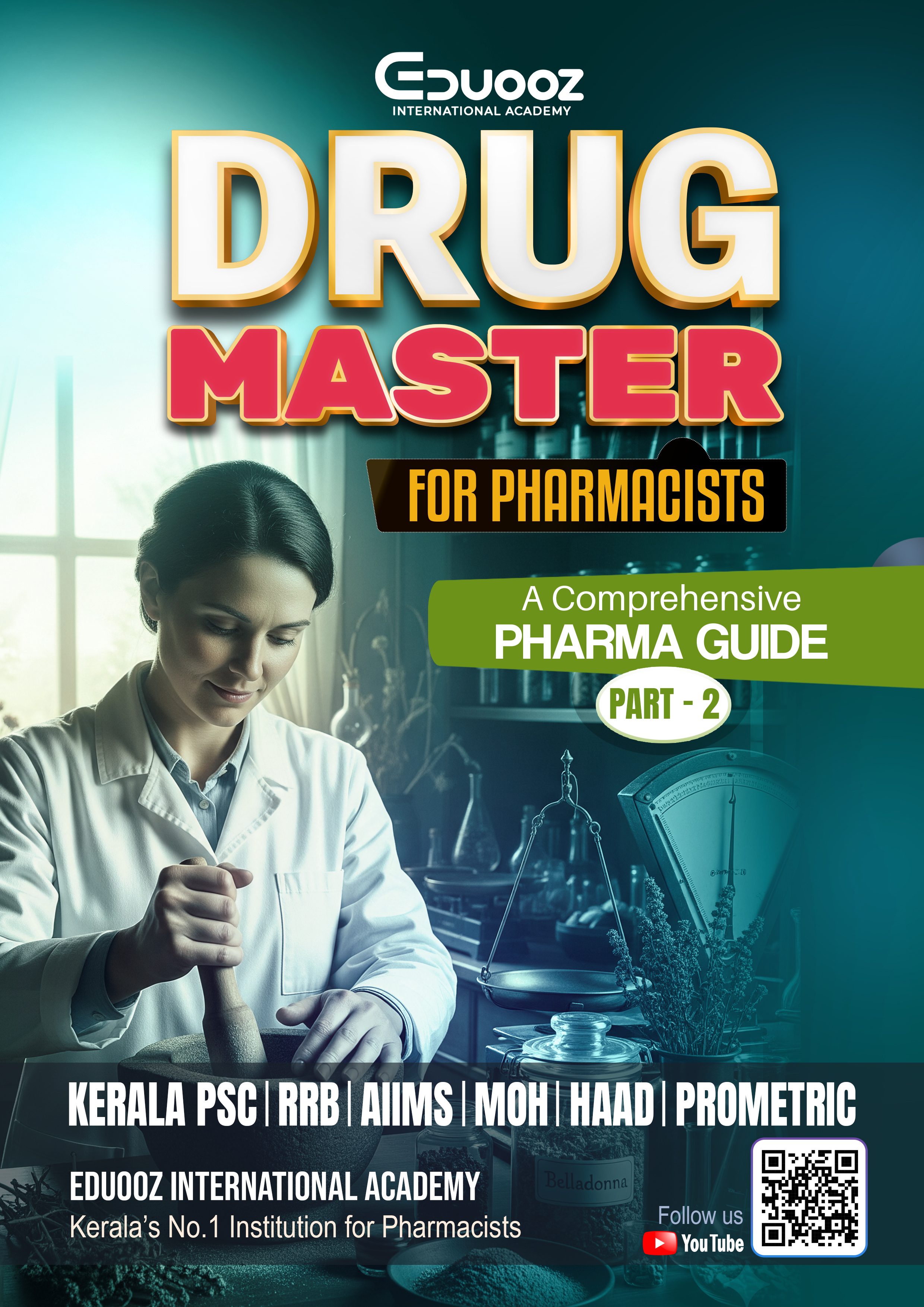
Pharmacy Drug Master Part 2 front cover
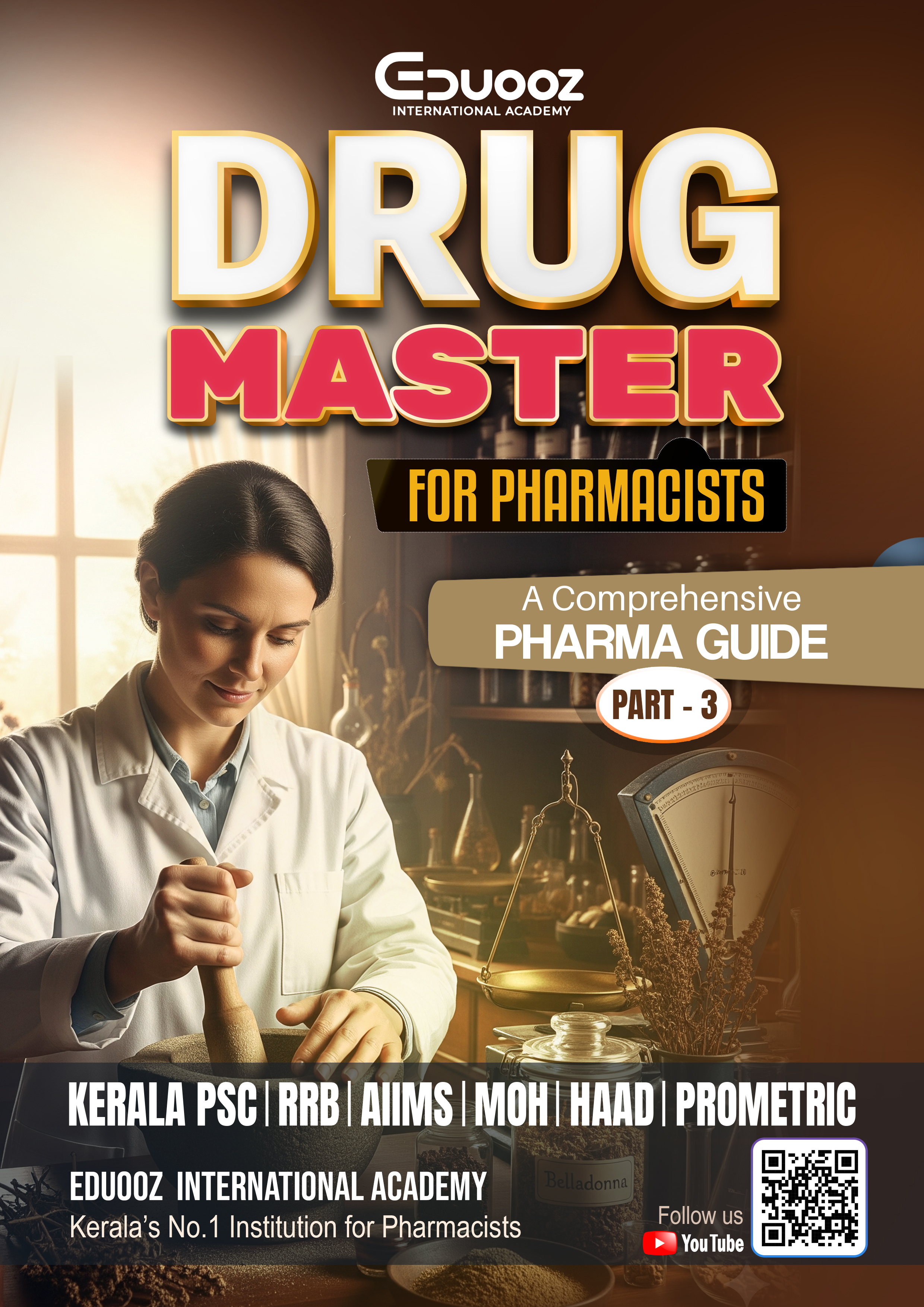
Pharmacy Drug Master Part 3 front cover

Learn from the Experts Behind
Thousands of GPAT Success Stories.

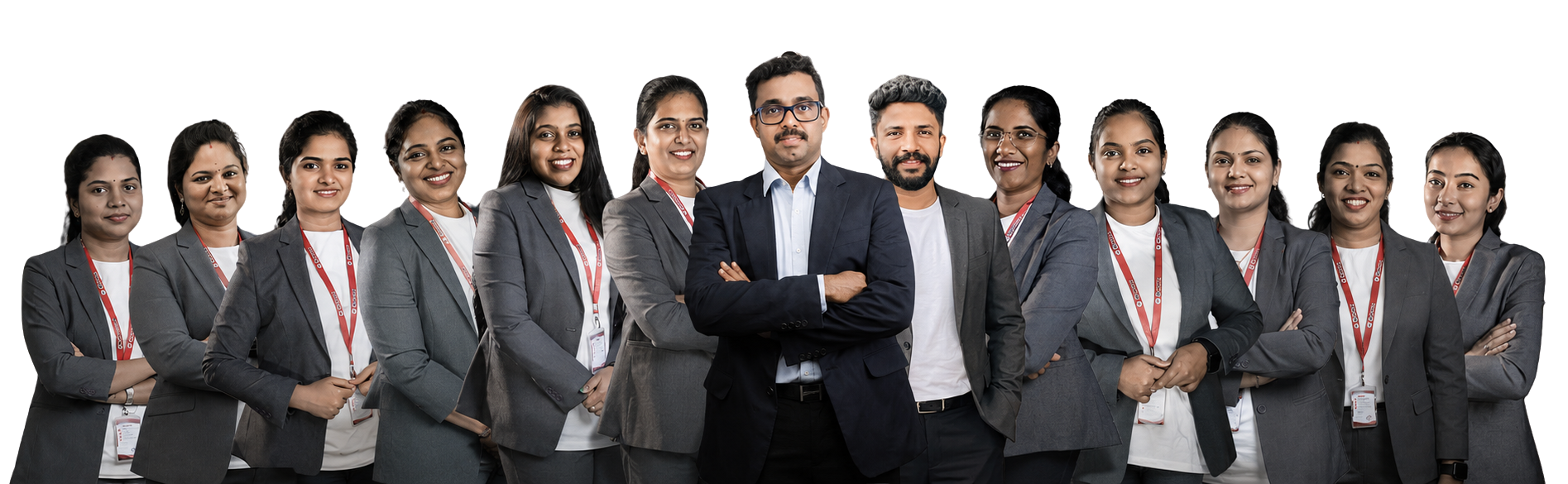
Guidance from experienced educators, subject specialists, rank holders, and exam strategists who understand exactly what it takes to crack GPAT.

Eduooz Faculty Eduooz Faculty

Hear It From Aspirants
Who Cracked GPAT.

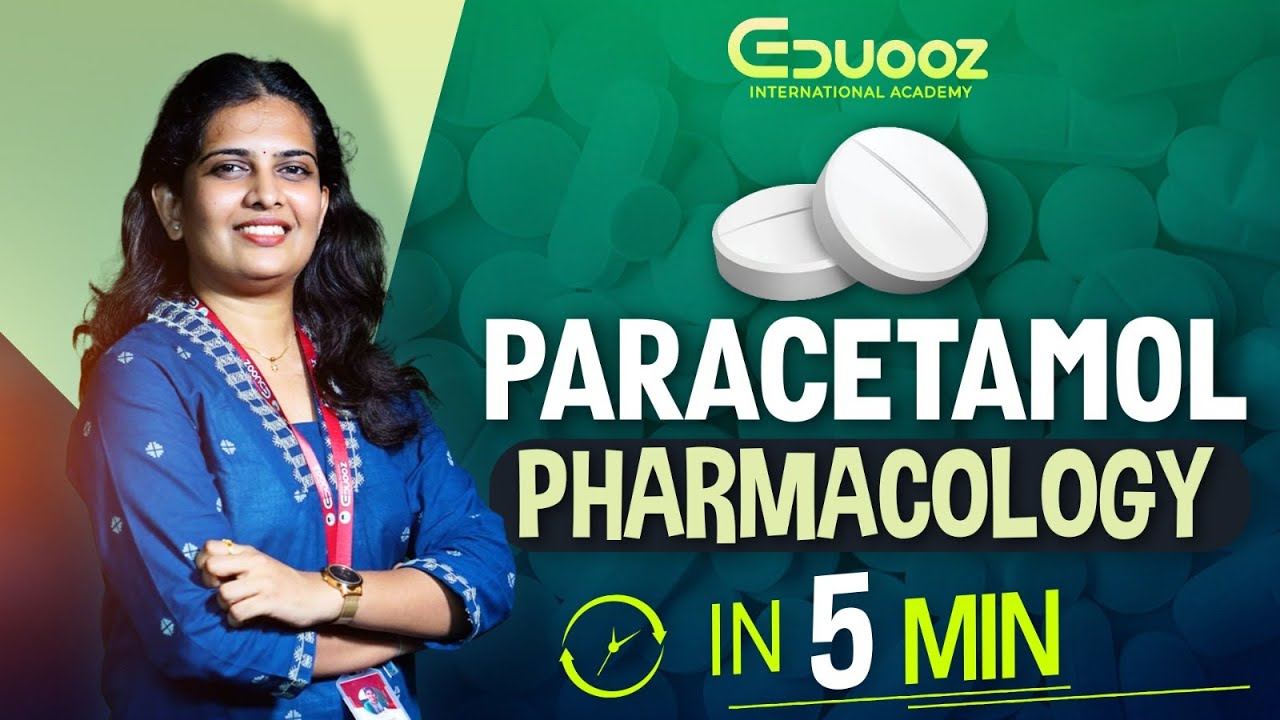
Paracetamol Pharmacology in 5 Minutes

Paracetamol Pharmacology in 5 Minutes

Pharmacology · 2025
"A quick 5-minute breakdown of Paracetamol pharmacology — perfect for fast exam revision."
01

Trusted by Thousands of Aspirants.

4.9

Google Rating

0+ Google Reviews
0+ Students Enrolled
0+ Selections Made
0% Pass Rate
Trusted by 5000+ Pharmacy Aspirants
GPAT Focused Training
Structured CBT Preparation
Dedicated Mentor Support
Previous Year Paper Analysis
Mock Exam Platform
9:41
Mock Test Completed! Score: 178/200 · Rank Top 5%
Eduooz Home Dashboard
Course Listing
Mock Test Interface
Performance Analytics
Practice & Study Materials
Leaderboard

Download the Eduooz App.

Access live classes, mock tests, study materials, and performance analytics anywhere, anytime. The complete GPAT preparation ecosystem always in your pocket.

0%
Pass Rate
0%
Satisfaction
0%
App Uptime
0%
Accuracy Gain
Live & Recorded Classes
500+ hours with interactive Q&A sessions
CBT Mock Tests
150+ full-length tests mirroring the actual exam
Performance Tracking
Real-time analytics, rank tracking & insights
Offline Study Materials
Download notes, PPTs & videos for offline use

Related Resources.

Everything you need to know.

From eligibility criteria to exam pattern and career benefits, find the answers to your most pressing questions about the GPAT exam.

The GPAT (Graduate Pharmacy Aptitude Test) is a national-level entrance examination conducted to evaluate eligibility for admission into M.Pharm programs and for awarding pharmacy scholarships in India.

Candidates with a Bachelor of Pharmacy (B.Pharm) degree from a recognized institution approved by the Pharmacy Council of India are eligible to apply for GPAT.

The GPAT Exam is used for admission into M.Pharm courses across India and for determining eligibility for pharmacy scholarships and research fellowships.

The GPAT Exam is a computer-based test consisting of multiple-choice questions (MCQs) covering pharmaceutical sciences subjects such as pharmaceutics, pharmacology, and pharmaceutical chemistry.

GPAT is conducted once every year as a national-level entrance examination.

GPAT qualification provides admission into top M.Pharm colleges, scholarship opportunities, and better career prospects in research, academia, and pharmaceutical industries.

Applicants generally need educational certificates, identity proof, passport-size photograph, signature, and category certificate (if applicable).

GPAT is conducted as a computer-based test (CBT) across various exam centers in India.

The GPAT cutoff varies every year depending on difficulty level and number of candidates. It is released along with the official result.

GPAT provides access to top postgraduate pharmacy education, scholarships, research opportunities, and a strong career foundation in pharmaceutical sciences.

Limited Intake

Your M.Pharm Journey
Starts Here.

Admission to our GPAT preparation tracks is curated to ensure maximum personalized mentorship. Secure your seat before the next batch closes.

Call Us Anytime

+91 8111850054

Email Us

admissions@eduooz.online

Your information is 256-bit encrypted and strictly confidential.