Admissions Open: 2026 Batch

KERALA PSC
DRUG INSPECTOR
Exam Coaching

Eduooz International Academy provides result-oriented Kerala PSC Drug Inspector coaching with expert mentoring, comprehensive syllabus coverage, previous year question discussions, and strategic exam preparation to help candidates achieve top ranks.

What's Included

Complete Learning System

Enrolling Now
500+ Hours Classes
10,000+ MCQs
150+ CBT Tests

Live + Recorded Classes

500+ Hours

Free PPT Notes

All Subjects

Practice Questions

10,000+ MCQs

Model Exams

150+ CBT Tests

Expert Mentor Support

1-on-1 Guidance

Revision Sessions

Structured Review

Unlimited Tests

Until You Crack It

Animated Classes

Highly Engaging

Kerala PSC Drug Inspector Exam Snapshot.

Conducted By
Kerala Public Service Commission (Kerala PSC)
Name of Organization
Drugs Control Department, Government of Kerala
Name of Post
Drug Inspector
Method of Appointment
Direct Recruitment
Scale of Pay
₹44,800 to ₹95,300 per month
Number of Vacancies
Statewide / District-wise vacancies as per notification
Mode of Apply
Online, One Time Registration through PSC Portal
Official Website
Kerala PSC Official Website

Understanding Drug Inspector.

What is Drug Inspector?

The Kerala Public Service Commission (PSC) Drug Inspector examination is a prestigious competitive exam conducted to recruit qualified professionals for the Drugs Control Department of the Government of Kerala. A Drug Inspector acts as a regulatory authority responsible for ensuring the quality, safety, and efficacy of drugs and cosmetics circulating in the state.

Gazetted Government PostDrugs Control Department, Kerala
Regulatory RoleEnsuring drug & cosmetic quality and safety
Enforcement AuthorityInspection & legal action under Drugs Act
Government Job SecurityStatewide postings across Kerala
Career GrowthSenior Drug Inspector, Deputy Drugs Controller & beyond
Attractive Salary₹44,800 – ₹95,300 / month

Eligibility & Age Requirements.

Check Your Eligibility.

Official Exam Syllabus.

Human Anatomy & Physiology (8 Marks)
  • Structure and functions of cell, transport across cell membrane, cell division, cell junctions; cell communication (contact-dependent, paracrine, synaptic, endocrine); classification of tissues — epithelial, muscular, nervous and connective.
  • Structure and functions of skin.
  • Skeletal system — divisions, types of bone, axial/appendicular skeleton, skeletal muscle organization, physiology of muscle contraction, neuromuscular junction, joint movements and articulation.
  • Body fluids and blood — composition, functions, hemopoiesis, hemoglobin formation, anemia, coagulation, blood grouping, Rh factors. Lymphatic system — organs, tissues, vessels, circulation and functions.
  • Sense organs — structure, functions and disorders of eye, ear, nose and tongue.
  • Cardiovascular system — anatomy of heart, conduction system, heartbeat regulation by ANS, cardiac output, cardiac cycle, blood pressure regulation, pulse, electrocardiogram.
  • Nervous system — organization, neuron, neuroglia, nerve fiber, action potential, receptors, synapse, neurotransmitters; sympathetic/parasympathetic systems; spinal/cranial nerves; CNS — meninges, ventricles, CSF, brain and spinal cord.
  • Digestive system — GI tract anatomy, salivary glands, pancreas, liver, GIT movements, digestion and absorption of nutrients.
  • Respiratory system — anatomy of lungs, mechanism/regulation of respiration, lung volumes/capacities, gas transport, artificial respiration and resuscitation methods.
  • Urinary system — anatomy of kidney and nephrons, urine formation, micturition reflex, disorders of kidney.
  • Endocrine system — classification and mechanism of hormone action; structure/functions of pituitary, thyroid, parathyroid, adrenal, pancreas, pineal gland and thymus.
  • Reproductive system — anatomy and functions of male/female systems, sex hormones, menstruation, fertilization, spermatogenesis, oogenesis, pregnancy and parturition.
Pathophysiology
  • Mechanisms of inflammation and repair — clinical signs and types of inflammation, vascular permeability, WBC migration, mediators, wound healing, pathophysiology of atherosclerosis.
  • Haematological diseases — iron deficiency and megaloblastic anemia, sickle cell anemia, thalassemia, hereditary/acquired anemia, hemophilia.
  • Endocrine system — diabetes, thyroid diseases, disorders of sex hormones. Nervous system — epilepsy, Parkinson's disease, stroke, depression, schizophrenia and Alzheimer's disease.
  • Inflammatory bowel diseases, jaundice, hepatitis (A–F), alcoholic liver disease.
  • Diseases of bones and joints — rheumatoid arthritis, osteoporosis and gout.
  • Principles of cancer — classification, etiology and pathogenesis.
  • Infectious diseases — meningitis, typhoid, leprosy, tuberculosis, urinary tract infections.
  • Sexually transmitted diseases — AIDS, syphilis, gonorrhea.
Pharmaceutics (10 Marks)
  • Pharmacopoeias — IP, BP, USP and Extra Pharmacopoeia. Dosage forms — classification and definitions.
  • Prescription — definition, parts, handling and errors. Posology — factors affecting posology, pediatric dose calculation by age, body weight and body surface area.
  • Pharmaceutical calculations — Imperial & Metric weights/measures, percentage solutions, alligation, proof spirit, isotonic solutions.
  • Powders — classification, simple & compound powders, dusting powders, effervescent/efflorescent/hygroscopic powders, eutectic mixtures, geometric dilutions.
  • Liquid dosage forms — monophasic liquids (gargles, mouthwashes, throat paint, ear/nasal drops, enemas, syrups, elixirs, liniments, lotions); biphasic liquids — suspensions (flocculated/deflocculated) and emulsions (classification, emulsifying agents, identification, preparation, stability).
  • Suppositories — types, bases, methods of preparation, displacement value, evaluation.
  • Pharmaceutical incompatibilities — physical, chemical and therapeutic, with examples.
  • Semisolid dosage forms — mechanisms/factors influencing dermal penetration; ointments, pastes, creams, gels; excipients and evaluation.
Physical Pharmaceutics
  • Micromeritics — particle size/distribution, particle shape, specific surface area, permeability, adsorption, derived properties of powders (porosity, packing, densities, bulkiness, flow).
  • Complexation and protein binding — classification, applications, methods of analysis, complexation and drug action, stability constants.
  • pH, buffers and isotonic solutions — pH determination, buffer equation and capacity, buffered isotonic solutions.
  • Rheology — Newtonian and non-Newtonian systems (pseudoplastic, dilatant, plastic, thixotropy), viscosity determination (capillary, falling sphere, rotational).
  • Coarse dispersion — suspensions and emulsions, theories of emulsification, microemulsions, physical stability, rheological properties.
Formulative Pharmacy
  • Tablets — classification, excipients, formulation, granulation, compression, tablet tooling, coating (types, materials, methods, defects), quality control tests.
  • Capsules — hard and soft gelatin capsules (production, sizes, filling, QC tests), pellets (formulation, pelletization process, equipment).
  • Parenteral products — types, preformulation, vehicles, additives, isotonicity, formulation of injections/sterile powders/emulsions/suspensions/LVPs/lyophilized products, sterilization, containers/closures, QC tests.
  • Ophthalmic preparations — eye drops, eye ointments, eye lotions; methods of preparation, labeling, containers, evaluation.
  • Cosmetics — lipsticks, shampoos, cold cream and vanishing cream, tooth pastes, hair dyes, sunscreens.
  • Pharmaceutical aerosols — propellants, containers, valves, types of aerosol systems, formulation, manufacture and evaluation.
  • Packaging materials science — choice of containers, legal/official requirements, stability aspects, quality control tests.
Pharmaceutical Engineering
  • Flow of fluids — manometers, Reynolds number, Bernoulli's theorem, orifice meter, venturimeter, pitot tube, rotameter. Size reduction — hammer mill, ball mill, fluid energy mill, edge/end runner mill. Size separation — sieve shaker, cyclone separator, air separator, bag filter, elutriation tank. Mixing — double cone/twin shell/ribbon blenders, sigma blade mixer, planetary mixers, propellers, turbines, paddles, Silverson emulsifier.
  • Evaporation — steam jacketed kettle, horizontal tube/climbing film/forced circulation/multiple effect evaporators and their economy. Heat transfer — conduction, convection, radiation, Fourier's law, heat interchangers/exchangers.
  • Drying — tray dryer, drum dryer, spray dryer, fluidized bed dryer, vacuum dryer and freeze dryer.
  • Distillation — simple, purified water/water for injection preparation, flash, fractional, reduced-pressure, steam and molecular distillation.
  • Filtration — theories, filter aids/media; plate & frame filter, filter leaf, rotary drum filter, meta filter, cartridge filter, membrane filters, Seitz filter.
  • Centrifugation — perforated/non-perforated basket centrifuge, semi-continuous centrifuge, super centrifuge.
  • Material handling systems — belt, screw and pneumatic conveyors.
  • General Pharmacology (16 Marks) — essential drugs concept, routes of administration, agonists/antagonists, spare receptors, addiction, tolerance, dependence, tachyphylaxis, idiosyncrasy, allergy. Pharmacokinetics — membrane transport, ADME, enzyme induction/inhibition, kinetics of elimination. Pharmacodynamics — receptor theories, drug-receptor interaction, signal transduction (G-protein coupled, ion channel, enzyme-linked, JAK-STAT, transcription-factor receptors), dose-response, therapeutic index. Adverse drug reactions; drug interactions. Drug discovery and clinical evaluation — preclinical, clinical trial phases, pharmacovigilance. Principles of toxicology — acute/subacute/chronic toxicity, genotoxicity, carcinogenicity, teratogenicity, mutagenicity, treatment of poisoning. Chronopharmacology.
  • Pharmacology of drugs acting on autonomic nervous system, CNS, cardiovascular system, blood and blood-forming organs, urinary system, respiratory system, autocoids, endocrine system, GI tract, local anaesthetics and skin.
  • Bioassay — principles, applications; bioassay of insulin, oxytocin, vasopressin, ACTH, d-tubocurarine, digitalis, histamine, heparin sodium, anti-rabies vaccine, diphtheria antitoxin.
  • Chemotherapy — general principles, classification, microbial resistance, chemoprophylaxis; sulfonamides/cotrimoxazole, urinary antiseptics; antibiotics (penicillins, cephalosporins, monobactam, carbapenem, chloramphenicol, macrolides, lincosamides, quinolones/fluoroquinolones, tetracycline, aminoglycosides, oxazolidinediones); antitubercular, antileprotic, antifungal, antiviral (incl. anti-HIV), anthelmintic, antimalarial, antiamoebic agents; drugs used in UTI & STDs; anticancer agents.
  • Immunopharmacology — immunostimulants, immunosuppressants, protein drugs, monoclonal antibodies, targeted drugs, biosimilars.
  • Gene therapy — concepts, approaches, gene transfer techniques and applications; stem cell therapy.
Pharmacognosy & Phytochemistry (14 Marks)
  • Quality control of drugs of natural origin — adulteration, evaluation by organoleptic/microscopic/physical/chemical/biological methods; quantitative microscopy (lycopodium spore method, leaf constants, Camera Lucida, micrometer calibration).
  • Plant tissue culture — types of cultures, nutritional requirements, growth/maintenance, applications in pharmacognosy, edible vaccines.
  • Secondary metabolites — classification, properties and identification tests for alkaloids, glycosides, flavonoids, tannins, volatile oil and resins.
  • Plant drugs/products — fibers (cotton, jute, hemp); hallucinogen (cannabis); teratogens (tobacco, colchicum, veratrum); natural allergens — classification, preparation and standardization of allergenic extract.
  • Primary metabolites — carbohydrates (acacia, agar, starch, tragacanth, honey), proteins/enzymes (gelatin, casein, papain, bromelain, serratiopeptidase, urokinase, streptokinase, pepsin), lipids/waxes/fats (castor oil, chaulmoogra oil, wool fat, beeswax).
  • Marine drugs — antiviral, antimicrobial, anticancer and cardiovascular agents from marine sources.
  • Metabolic pathways in higher plants — Shikimic acid pathway, acetate pathway, amino acid pathway; use of radioactive isotopes in biogenetic studies.
Herbal Drug Technology
  • Basic principles of Ayurveda, Siddha, Unani and Homeopathy; preparation and standardization of Aristas, Asavas, Ghutika, Churna, Lehya and Bhasma.
  • Nutraceuticals — role in diabetes, CVS diseases, cancer, IBS and GI diseases; herbs as health food — Alfalfa, Chicory, Ginger, Fenugreek, Garlic, Honey, Amla, Ginseng, Ashwagandha, Spirulina.
  • Herbal cosmetics — fixed oils (almond, arachis, castor, olive, coconut), waxes (beeswax, carnauba, paraffin, spermaceti), gums (guar gum, sodium alginate, tragacanth), colours (cochineal, saffron, indigo, henna), perfumes (rose, jasmine, lavender oil), protective agents (neem, cucumber, aloe), bleaching agents (lemon, turmeric), antioxidants (green tea, sesame oil).
  • Pharmaceutical Jurisprudence (12 Marks) — Drugs and Cosmetics Act, 1940 and Rules 1945 — objectives, definitions, schedules; import and manufacture of drugs (prohibitions, licensing, offences/penalties); Schedules G, H, M, N, P, T, U, V, X, Y, Part XIIB, Sch F & DMR(OA); sale of drugs (wholesale, retail, restricted license); labelling/packing requirements; administration — DTAB, Central Drugs Laboratory, Drugs Consultative Committee, drug analysts, licensing/controlling authorities, Drugs Inspectors.
  • Pharmacy Act, 1948 — Pharmacy Council of India, Education Regulations, State/Joint State Pharmacy Councils, registration of pharmacists, offences and penalties.
  • Medicinal and Toilet Preparations Act, 1955 — licensing, manufacture in-bond/outside-bond, export of alcoholic preparations, manufacture of Ayurvedic/Homeopathic/Patent & Proprietary preparations, offences and penalties.
  • Narcotic Drugs and Psychotropic Substances Act, 1985 and Rules — authorities, Consultative Committee, National Fund for Controlling Drug Abuse, prohibition/control/regulation, opium poppy cultivation, offences and penalties.
  • Drugs and Magic Remedies Act and Rules — prohibition of certain advertisements, exempted advertisements, offences and penalties.
  • Prevention of Cruelty to Animals Act, 1960 — Institutional Animal Ethics Committee, breeding/stocking of animals, performance of experiments, records, offences and penalties.
  • National Pharmaceutical Pricing Authority — Drugs Price Control Order (DPCO) 2013, sale/retail/ceiling prices, National List of Essential Medicines (NLEM).
  • Pharmaceutical Legislations — Drugs Enquiry Committee, Health Survey and Development Committee, Hathi Committee, Mudaliar Committee.
  • Code of Pharmaceutical Ethics — pharmacist's obligations and oath.
  • Medical Termination of Pregnancy Act; Right to Information Act; Introduction to Intellectual Property Rights (IPR).
  • Pharmaceutical Analysis (12 Marks) — acid-base titration (theories, classification); precipitation titrations (Mohr's, Volhard's, modified Volhard's, Fajans); complexometric titration (metal ion indicators, masking/demasking); gravimetry (co-/post-precipitation, estimation of barium sulphate); redox titrations — iodimetry, iodometry, bromatometry, dichrometry.
  • Inorganic chemistry — limit tests for chloride, sulphate, iron, arsenic, lead and heavy metals; medicinal uses of electrolytes, dental products, GI agents (acidifiers, antacids, cathartics), pharmaceutical aids (kaolin, bentonite), antimicrobials, expectorants, emetics, haematinics, poison & antidote, astringents.
  • Organic chemistry — structural isomerism; Markownikoff's/anti-Markownikoff's orientation; alkyl halides (SN1/SN2 reactions); carbonyl compounds (nucleophilic addition, aldol/Cannizzaro/Benzoin/Perkin condensation); carboxylic acids; aliphatic amines; benzene and derivatives (Huckel's rule, electrophilic substitution, DDT, Saccharin, BHC, Chloramine); phenols; aromatic amines; fats and oils (analytical constants — acid, saponification, ester, iodine, acetyl, RM values); polynuclear hydrocarbons; cyclo alkanes (Baeyer's strain theory); stereoisomerism (optical and geometrical, DL/RS systems, racemic resolution); heterocyclic compounds (pyrrole, furan, thiophene, pyrazole, imidazole, oxazole, thiazole, pyridine, quinoline, isoquinoline, acridine, indole, pyrimidine, purine, azepines); reactions of synthetic importance (metal hydride reduction, Clemmensen, Birch, Wolff-Kishner reduction, Oppenauer oxidation, Dakin, Beckmann/Schmidt rearrangement, Claisen-Schmidt condensation).
Medicinal Chemistry (10 Marks)
  • Drugs acting on Autonomic Nervous System — sympathomimetic agents, adrenergic antagonists, parasympathomimetic agents, cholinesterase inhibitors/reactivators, cholinergic blocking agents (SAR and representative drugs of each class).
  • Drugs acting on Central Nervous System — sedatives/hypnotics (benzodiazepines, barbiturates), antipsychotics (phenothiazines, butyrophenones), anticonvulsants, general anaesthetics, narcotic/non-narcotic analgesics, anti-inflammatory agents.
  • Antihistaminic agents — H1/H2-antagonists, proton pump inhibitors.
  • Anti-neoplastic agents — alkylating agents, antimetabolites, antibiotics, plant products, miscellaneous agents.
  • Anti-anginal agents, diuretics, anti-hypertensive agents, anti-arrhythmic drugs, anti-hyperlipidemic agents, coagulants/anticoagulants, drugs for Congestive Heart Failure.
  • Drugs acting on Endocrine system — steroid nomenclature/metabolism, sex hormones, corticosteroids, thyroid/antithyroid drugs, antidiabetic agents (insulin, sulfonylureas, biguanides, thiazolidinediones, meglitinides, glucosidase inhibitors).
  • Local anaesthetics — benzoic acid, amino benzoic acid and anilide derivatives.
  • Antibiotics — β-lactams, aminoglycosides, tetracyclines, macrolides; prodrugs — concepts and applications.
  • Antimalarials, anti-tubercular agents, urinary tract anti-infectives, antiviral agents, antifungal agents, anti-protozoal agents, anthelmintics.
  • Sulphonamides and sulfones; introduction to drug design (QSAR parameters, pharmacophore modeling, docking); combinatorial chemistry.
Instrumental Methods of Analysis
  • UV-Visible spectroscopy — electronic transitions, chromophores, auxochromes, Beer-Lambert's law, instrumentation, spectrophotometric titrations.
  • Fluorimetry — singlet/doublet/triplet states, quenching, instrumentation and applications.
  • IR spectroscopy — modes of vibration, sample handling, instrumentation and applications.
  • Flame photometry, atomic absorption spectroscopy and nepheloturbidometry — principle, interferences, instrumentation and applications.
Biochemistry
  • Carbohydrate metabolism — glycolysis, citric acid cycle, HMP shunt (G6PD deficiency), glycogen metabolism/storage diseases, gluconeogenesis.
  • Biological oxidation — electron transport chain, oxidative/substrate-level phosphorylation, inhibitors and uncouplers.
  • Lipid metabolism — β-oxidation, ketone body formation and ketoacidosis, fatty acid synthesis, cholesterol biosynthesis.
  • Amino acid metabolism — transamination, deamination, decarboxylation, urea cycle, phenylalanine/tyrosine catabolism disorders.
  • Nucleic acid metabolism — purine/pyrimidine biosynthesis, hyperuricemia and gout, DNA/RNA structure and function, replication, transcription, translation.
  • Chromatography — column, TLC/HPTLC, paper chromatography, electrophoresis, gas chromatography, HPLC, ion exchange and gel filtration/affinity chromatography.
  • Industrial Pharmacy & Biotechnology (6 Marks) — technology development and transfer: WHO TT guidelines, TT agencies in India (APCTT, NRDC, TIFAC, BCIL, TBSE/SIDBI), documentation and legal issues.
  • Regulatory affairs — regulatory authorities, IND application, Investigator's Brochure, NDA; Indian regulatory requirements — CDSCO, State Licensing Authority, CTD, COPP.
  • Enzyme biotechnology, biosensors, production of amylase/catalase/peroxidase/lipase/protease/penicillinase; basic principles of genetic engineering, cloning vectors, restriction endonucleases, DNA ligase, rDNA technology, PCR.
  • Immunity types, MHC, vaccine/toxoid/antitoxin preparation, hybridoma technology; immunoblotting (ELISA, Western/Southern blotting); microbial genetics and mutation.
  • Fermentation methods and requirements — production of penicillins, citric acid, Vitamin B12, glutamic acid, griseofulvin.
  • Novel Drug Delivery Systems — microencapsulation, transdermal drug delivery, nanotechnology (liposomes, niosomes, nanoparticles, monoclonal antibodies), ocular drug delivery systems.
  • Pharmacy Practice & Quality Assurance (6 Marks) — hospital and hospital pharmacy organization; drug distribution system, hospital formulary, Pharmacy and Therapeutic Committee.
  • Clinical pharmacy — functions of clinical pharmacist, drug therapy monitoring, patient medication history interview, therapeutic drug monitoring, medication adherence.
  • Rational use of drugs; community pharmacy organization; drug store management and inventory control (EOQ, reorder level).
  • Social and Preventive Pharmacy — preventive medicine for cholera, SARS, Ebola, influenza, malaria, dengue, filariasis, pneumonia, hypertension, diabetes, cancer, substance abuse; national health programmes (HIV/AIDS, TB, IDSP, leprosy, mental health, immunization, blindness/deafness control, Pulse Polio); mother-child and family welfare programmes; role of WHO.
  • Pharmaceutical Quality Assurance — QA/QC/GMP concepts, Total Quality Management, ICH Guidelines, Quality by Design (QbD), ISO 9000 & ISO 14000, NABL accreditation.
  • Biopharmaceutics & Pharmacokinetics (6 Marks) — bioavailability and bioequivalence: objectives, absolute/relative BA, in-vitro dissolution models, in-vitro/in-vivo correlation, bioequivalence studies.
  • Pharmacokinetics — compartment/non-compartment/physiological models; one- and two-compartment open models (IV bolus, IV infusion, extravascular); multiple dosage regimens; nonlinear pharmacokinetics (Michaelis-Menten).
  • Pharmaceutical Microbiology — bacterial identification (staining, IMViC tests), sterilization methods and evaluation, fungi/virus morphology and cultivation, disinfectants, aseptic area design, microbiological assay of antibiotics/vitamins/amino acids.
  • Research methodology — types of data and collection methods, epidemiological study designs, validity/reliability, bias and confounding, controlled clinical trials.
  • Biostatistics — descriptive and inferential statistics, sampling fundamentals, hypothesis testing, p-value, Type I/II errors, parametric/non-parametric tests, interpretation of results.

How To Prepare.

Exam Process.

Step 1 of 6
01
Application
02
Screening
03
Written Test
04
Confirmation
05
Certificate Verification
06
Final Selection
01

Application Submission

Candidates must first register and submit their applications through the Kerala PSC One Time Registration (OTR) portal on the official website.

02

Screening of Applications

All submitted applications are screened by Kerala PSC to verify eligibility. Relevant requirements, academic qualifications, age criteria, and other conditions are checked as per guidelines, and shortlisted candidates proceed to the next stages.

03

Written / OMR / Online Test

A written, OMR, or online test may be conducted to assess candidates' aptitude and technical knowledge based on the syllabus. Shortlisted candidates may proceed to certificate verification.

04

Confirmation for Exam

Candidates must confirm their intention to appear for the exam through their One Time Registration profile. Only confirmed candidates can download their admission tickets.

05

Certificate Verification

Based on the written test result, eligible candidates may be called for certificate verification to validate eligibility documents, professional registration or NOC if applicable, age factors, and community certificates.

06

Final Selection

Final selection is based on the candidate's written exam performance and completion of all eligibility requirements, including applicable PSC regulations and qualification criteria.

Why Choose Eduooz Academy.

Why Choose Eduooz Academy for Kerala PSC Drug Inspector Coaching?

Why Students Love Eduooz

Live + Recorded Classes

500+ hours of expert-led live interactive sessions with lifetime access to recorded lectures for unlimited revision.

Free PPT Notes

Comprehensive visual study materials and PPT presentations covering all pharmacy subjects for quick and effective learning.

Practice Questions

10,000+ topic-wise MCQs with detailed explanations to strengthen your conceptual understanding and exam readiness.

Model Exams

150+ full-length mock tests that mirror the actual Kerala PSC Drug Inspector exam pattern and difficulty level.

Expert Mentor Support

1-on-1 personalized guidance from experienced academic faculty and subject experts to optimize your preparation strategy.

Periodic Revision Sessions

Structured revision sessions before every exam cycle ensuring maximum retention and recall of key concepts.

Unlimited Test Series

Access to all test series without limits until you crack the exam. Practice anytime, anywhere on any device.

Highly Engaging Animated Classes

Complex pharmacy concepts explained through 3D animations and visual storytelling for deeper understanding.

500+ Hours Live & Recorded Learning
150+ CBT Tests
1-on-1 Guidance

Previous Year Question Papers.

Select a paper to preview

Select a paper to preview

Choose a paper from the list to preview it here

Paper Unavailable

Enroll to access and download this paper.

Download the Paper

No papers found for this year

Free Practice Tests.

Question 1 of 25 Test 1

Q1.

Test 1 Completed!

Mock Test Completed!

Section-wise Score

Analytics

Section Performance

Overall Accuracy

Question Review

Study Materials.

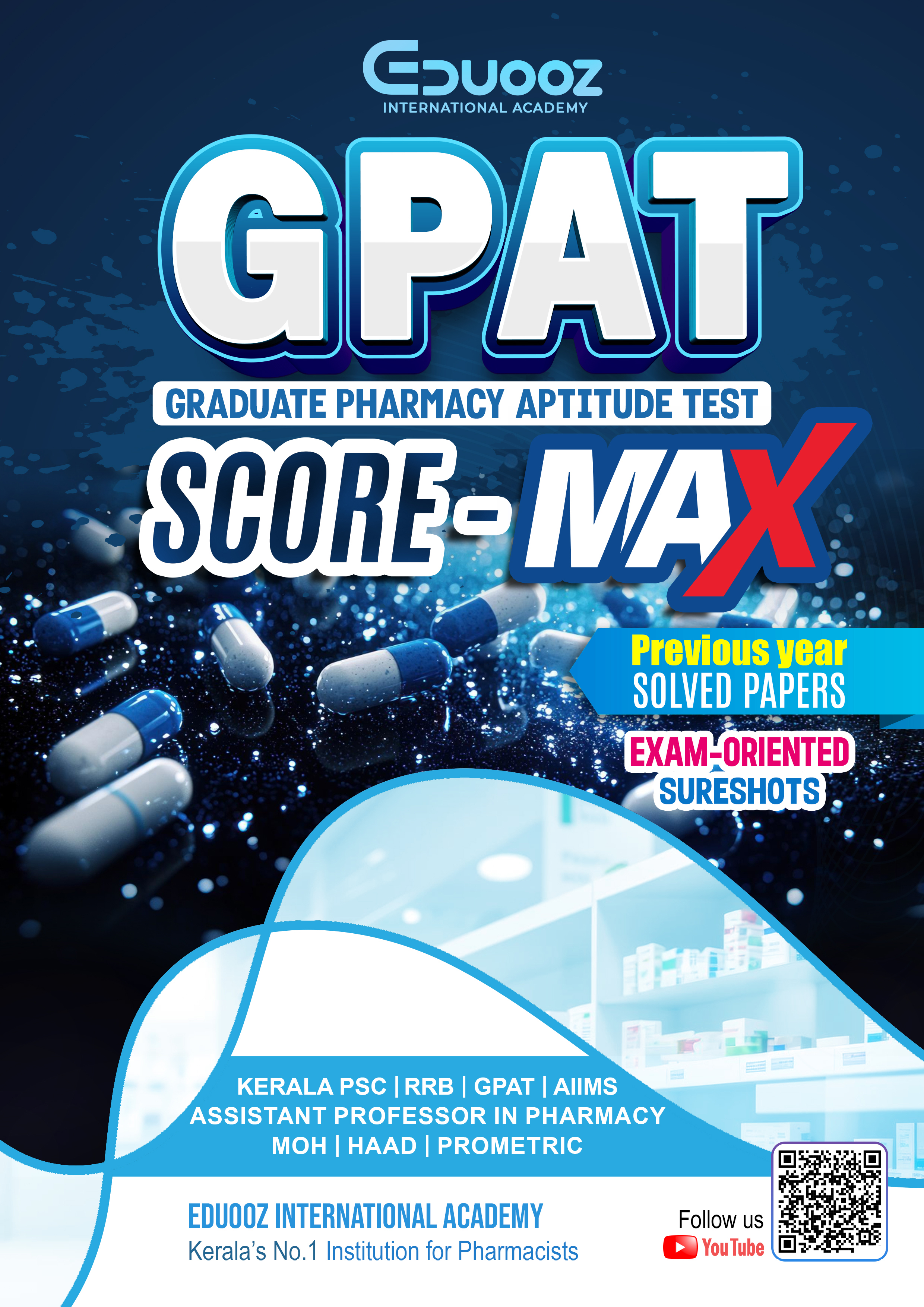
GPAT front cover
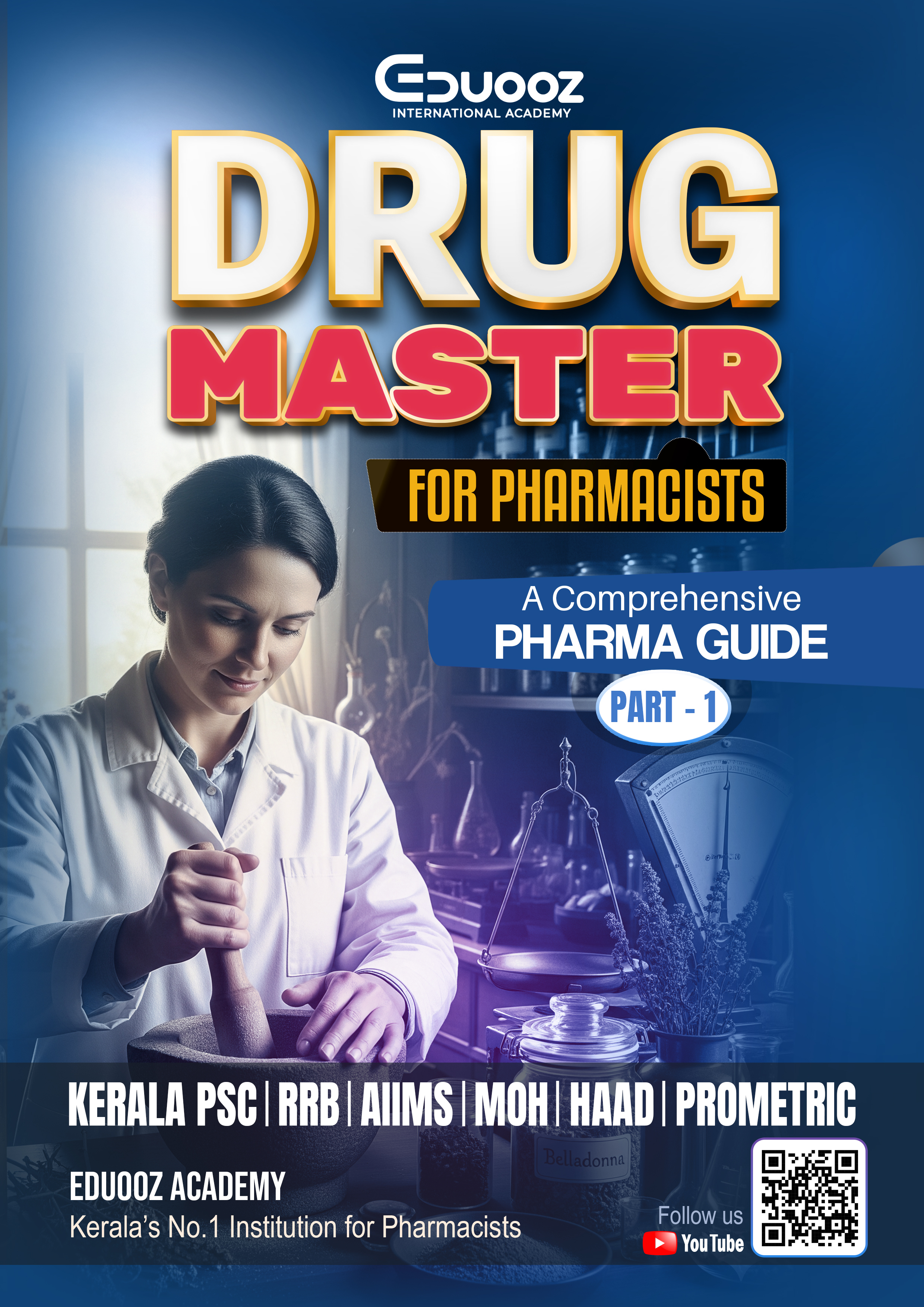
Pharmacy Drug Master Part 1 cover
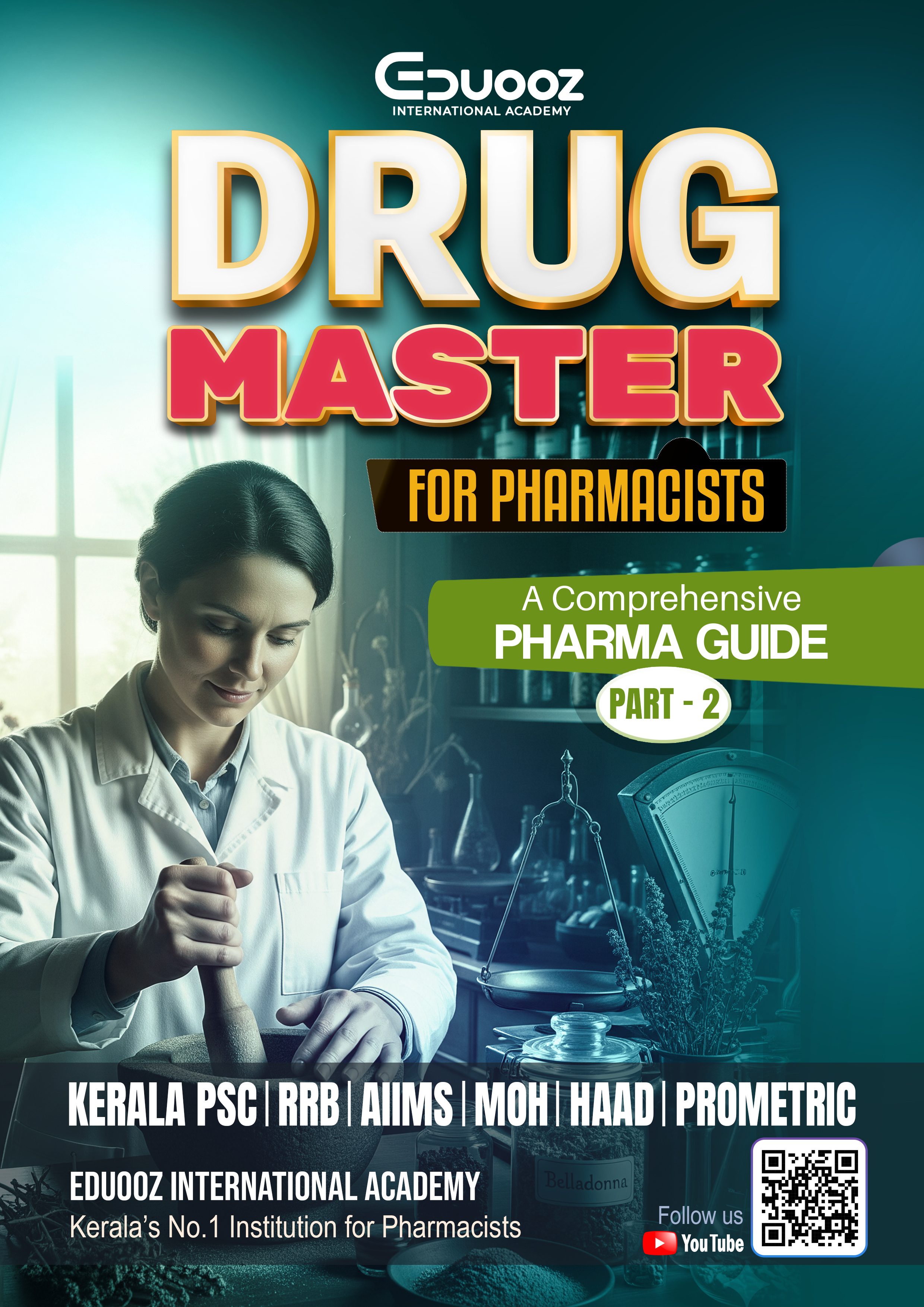
Pharmacy Drug Master Part 2 front cover
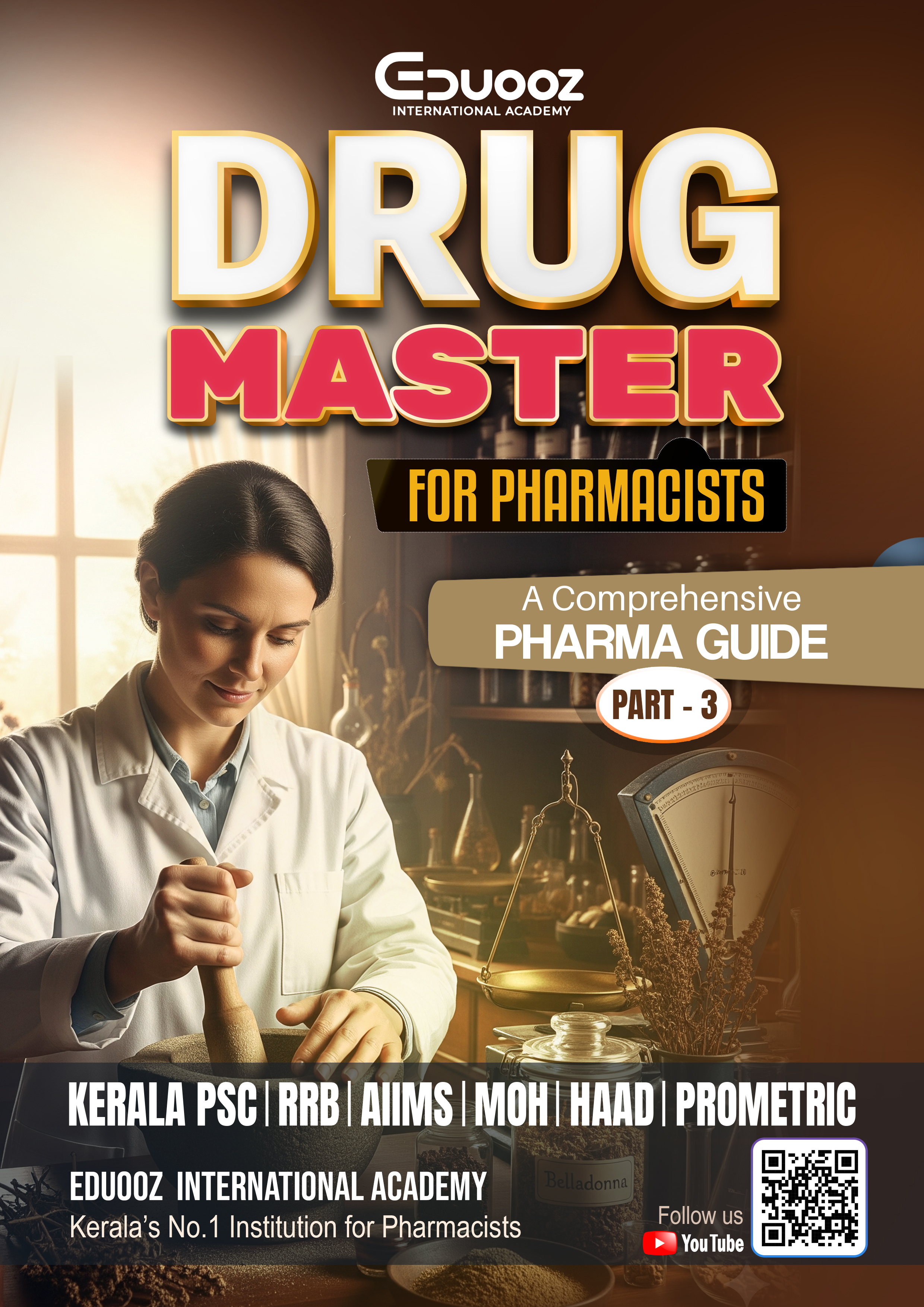
Pharmacy Drug Master Part 3 front cover

Learn from the Experts Behind
Thousands of Kerala PSC Success Stories.

Guidance from experienced educators, subject specialists, exam strategists, and regulatory affairs mentors who understand exactly what it takes to crack the Kerala PSC Drug Inspector exam.


Eduooz Faculty Eduooz Faculty

Hear It From Aspirants
Who Cracked Kerala PSC.

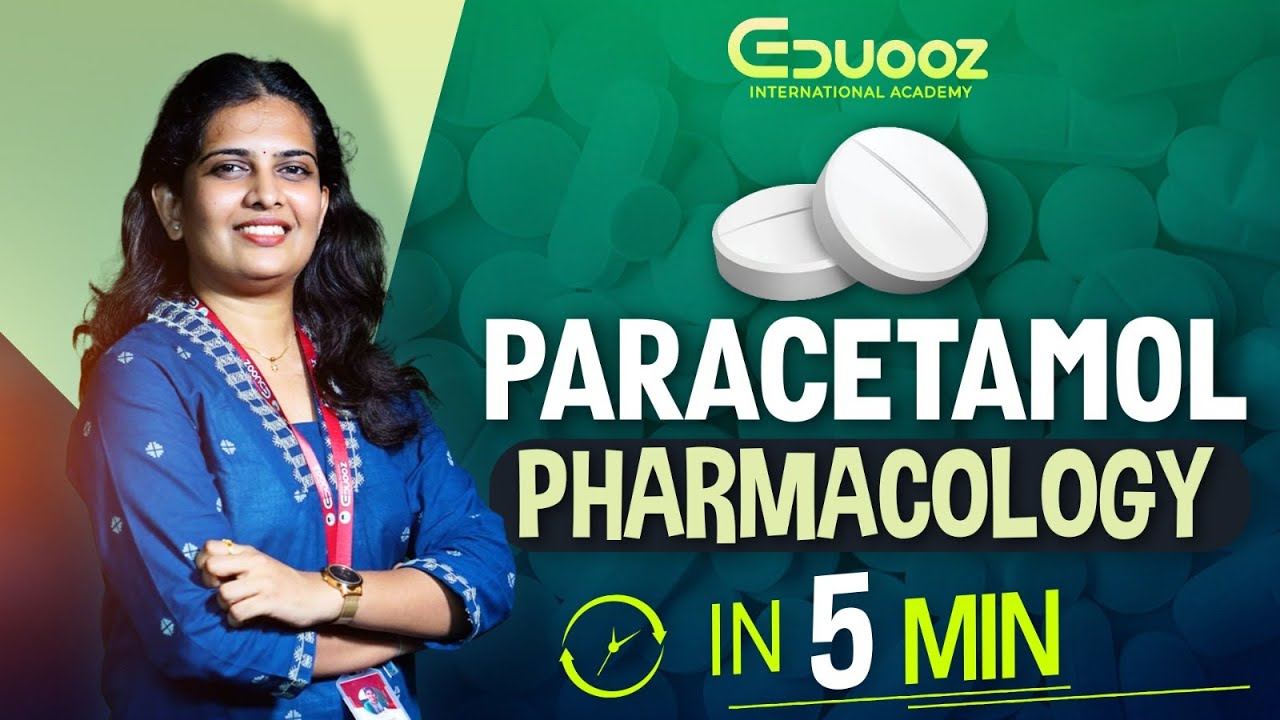
Paracetamol Pharmacology in 5 Minutes

Paracetamol Pharmacology in 5 Minutes

Pharmacology · 2025
"A quick 5-minute breakdown of Paracetamol pharmacology — perfect for fast exam revision."
01

Trusted by Thousands of Aspirants.

4.9

Google Rating

0+ Google Reviews
0+ Students Enrolled
0+ Selections Made
0% Pass Rate
Trusted by 5000+ Pharmacy Aspirants
Kerala PSC Drug Inspector Focused Training
Structured CBT Preparation
Dedicated Mentor Support
Previous Year Paper Analysis
Mock Exam Platform
9:41
Mock Test Completed! Score: 178/200 · Rank Top 5%
Eduooz Home Dashboard
Course Listing
Mock Test Interface
Performance Analytics
Practice & Study Materials
Leaderboard

Download the Eduooz App.

Access live classes, mock tests, study materials, and performance analytics anywhere, anytime. The complete Kerala PSC Drug Inspector preparation ecosystem always in your pocket.

0%
Pass Rate
0%
Satisfaction
0%
App Uptime
0%
Accuracy Gain
Live & Recorded Classes
500+ hours with interactive Q&A sessions
CBT Mock Tests
150+ full-length tests mirroring the actual exam
Performance Tracking
Real-time analytics, rank tracking & insights
Offline Study Materials
Download notes, PPTs & videos for offline use

Related Resources.

Everything you need to know.

From eligibility criteria to career growth, find the answers to your most pressing questions about the Kerala PSC Drug Inspector exam.

The Drug Inspector Exam is a competitive government recruitment examination conducted by various State Public Service Commissions (PSC) and central agencies to select eligible candidates for the post of Drug Inspector in the health and pharmaceutical regulatory system.

Candidates with a Bachelor of Pharmacy (B.Pharm) or Doctor of Pharmacy (Pharm.D) from a recognized institution are generally eligible to apply for the Drug Inspector Recruitment Exam.

The minimum qualification is usually B.Pharm or Pharm.D from a recognized university approved by the Pharmacy Council of India (PCI).

Some states require 1–3 years of experience in manufacturing or testing of drugs, while others allow fresh graduates depending on the recruitment notification.

The selection process generally includes a written examination, interview, document verification, and sometimes a skill or practical assessment.

The exam pattern typically includes objective-type and descriptive questions covering pharmaceutical sciences, drug laws, pharmacology, chemistry, and general knowledge.

Applicants generally need educational certificates, pharmacy registration, identity proof, age proof, category certificate (if applicable), photograph, and signature.

Drug Inspector jobs offer government job security, high salary packages, authority in drug regulation, fieldwork experience, and strong career growth in pharmaceutical regulatory services.

Drug Inspectors can be promoted to Senior Drug Inspector, Assistant Commissioner (Drugs), Deputy Drugs Controller, and higher administrative posts in drug regulatory departments.

Important skills include pharmaceutical knowledge, analytical ability, attention to detail, legal awareness, inspection skills, and communication skills.

Limited Intake

Your Regulatory Career
Starts Here.

Admission to our Kerala PSC Drug Inspector preparation tracks is curated to ensure maximum personalized mentorship. Secure your seat before the next batch closes.

Call Us Anytime

+91 8111850054

Email Us

admissions@eduooz.online

Your information is 256-bit encrypted and strictly confidential.