Admissions Open: 2026 Batch

KERALA PSC LSGD PHARMACIST
Exam Coaching

Eduooz International Academy offers comprehensive coaching for the Kerala PSC LSGD Pharmacist Exam, designed to help pharmacy graduates secure a rewarding government career. With expert faculties, structured study materials, topic-wise classes, mock tests, and previous year question paper discussions, our course provides complete preparation for PSC success.

What's Included

Complete Learning System

Enrolling Now
500+ Hours Classes
10,000+ MCQs
150+ CBT Tests

Live + Recorded Classes

500+ Hours

Free PPT Notes

All Subjects

Practice Questions

10,000+ MCQs

Model Exams

150+ CBT Tests

Expert Mentor Support

1-on-1 Guidance

Revision Sessions

Structured Review

Unlimited Tests

Until You Crack It

Animated Classes

Highly Engaging

Kerala PSC LSGD Pharmacist Exam Snapshot.

Conducted By
Kerala Public Service Commission (Kerala PSC)
Name of Organization
Local Self Government Department (LSGD), Kerala
Name of Post
Pharmacist Grade II (LSGD)
Method of Appointment
Direct Recruitment
Eligibility Qualification
D.Pharm / B.Pharm from a recognized institution; Kerala Pharmacy Council Registration
Registration Requirement
Valid Kerala Pharmacy Council (KPC) Registration
Scale of Pay
₹35,600 to ₹75,400 per month
Mode of Apply
Online, One Time Registration through Kerala PSC Portal
Selection Process
Written / OMR / Online Test Certificate Verification Final Selection
Number of Vacancies
District-wise, approximately 50+ total, as per notification
Official Website

Understanding Kerala PSC LSGD Pharmacist.

What is Kerala PSC LSGD Pharmacist?

The Kerala PSC LSGD Pharmacist Exam is a government recruitment examination conducted for pharmacist vacancies under Local Self Government Department healthcare institutions in Kerala. It is an excellent career opportunity for pharmacy graduates seeking a respected government position with stable income, job security, and long-term career growth in the public health sector.

State-Level RecruitmentConducted by Kerala PSC
Single GatewayFor Pharmacist Grade II under LSGD
District-wise VacanciesApproximately 50+ total, as per notification
Government Job SecurityKerala PSC Pay Scale + Pension
Career GrowthPromotions to Senior & Chief Pharmacist roles
Attractive Salary₹35,600 – ₹75,400 / month

Eligibility & Age Requirements.

Check Your Eligibility.

Official Exam Syllabus.

Sterilization
  • Concept of sterilization and its differences from disinfection; thermal resistance of microorganisms. Sterilization with moist heat, dry heat sterilization, sterilization by radiation, by filtration and gaseous sterilization.
Processing of Tablets & Capsules
  • Tablets — definition; types of compressed tablets and their properties; processes involved in production; tablet excipients; defects in tablets; evaluation including disintegration and dissolution. Tablet coating — sugar coating, film coating, enteric coating and micro-encapsulation.
  • Capsules — hard and soft gelatin capsules; different sizes; filling, handling and storage of capsules; special applications of capsules.
Acids, Bases, Buffers & Antimicrobials
  • Acids, bases and buffers — Boric acid, Hydrochloric acid, Strong Ammonium hydroxide, Sodium hydroxide and official buffers.
  • Antimicrobials and Astringents — Hydrogen peroxide, Potassium permanganate, Chlorinated lime, Iodine, Solutions of Iodine, Povidone-iodine, Boric acid, Borax, Silver nitrate, Mild silver protein, Mercury yellow, Mercuric oxide, Ammoniated mercury.
Expectorants, Emetics & Antidotes
  • Expectorants and Emetics — Ammonium chloride, Potassium iodide, Antimony potassium tartrate.
  • Antidotes — Sodium nitrite; inorganic official compounds of Iron, Iodine and Calcium — Ferrous Sulphate and Calcium Gluconate.
Laxatives, Cardiotonics, Carminatives & Nervous System Drugs
  • Laxatives — Aloes, Rhubarb, Castor oil, Ispaghula, Senna.
  • Cardiotonics — Digitalis, Arjuna.
  • Carminatives & G.I. regulators — Umbelliferous fruits, Coriander, Fennel, Ajowan, Cardamom, Ginger, Black pepper, Asafoetida, Nutmeg, Cinnamon, Clove.
  • Astringents — Catechu.
  • Drugs acting on nervous system — Hyoscyamus, Belladonna, Aconite, Ashwagandha, Ephedra, Opium, Cannabis, Nux-vomica.
Antihypertensives, Antidiabetics & Other Classes
  • Antihypertensive — Rauwolfia. Antitussives — Vasaka, Tolu balsam, Tulsi. Antirheumatics — Guggul, Colchicum. Antitumour — Vinca. Antileprotics — Chaulmoogra oil.
  • Antidiabetics — Pterocarpus, Gymnema sylvestre. Diuretics — Gokhru, Punarnava. Antidysenterics — Ipecacuanha.
  • Antiseptics and disinfectants — Benzoin, Myrrh, Neem, Curcuma. Antimalarials — Cinchona. Oxytocics — Ergot.
  • Vitamins — Shark liver oil and Amla. Enzymes — Papaya, Diastase, Yeast.
  • Perfumes and flavouring agents — peppermint oil, lemon oil, orange oil, lemon grass oil, sandalwood.
Biphasic Liquids & Dental/Cosmetic Preparations
  • Biphasic liquid dosage forms — Suspensions containing diffusible solids and liquids and their preparations; adjuvants like thickening/wetting agents; suspensions of precipitate-forming liquids like tinctures, preparation and stability; suspensions produced by chemical reaction; flocculated/non-flocculated suspension systems.
  • Emulsions — types, identification of emulsion system, formulation, selection of emulsifying agent; instabilities and preservation of emulsions.
  • Dental and cosmetic preparations — dentifrices, facial cosmetics, deodorants, antiperspirants, shampoo, hair dressings and hair removers.
Parenteral & Ophthalmic Dosage Forms
  • Parenteral dosage forms — definition, general requirements; types of formulations, vehicles, adjuvants, processing and personnel, facilities and quality control; preparation of IV fluids and admixtures — total parenteral nutrition, dialysis fluids.
  • Ophthalmic products — essential characteristics of different preparations; formulation additives, special precautions in handling and storage.
Antiseptics, Sulphonamides & Antibiotics
  • Antiseptics and Disinfectants — Proflavine, Benzalkonium chloride, Cetrimide, Phenol, Chloroxylenol, Formaldehyde solution, Hexachlorophene, Nitrofurantoin.
  • Sulphonamides — Sulphadiazine, Sulphaguanidine, Phthalylsulphathiazole, Succinylsulphathiazole, Sulphadimethoxine, Sulphamethoxypyridazine, Co-trimoxazole, Sulfacetamide.
  • Antileprotic Drugs — Clofazimine, Thiambutosine, Dapsone, Solapsone. Anti-tubercular Drugs — Isoniazid, PAS, Streptomycin, Rifampicin, Ethambutol, Thiacetazone, Ethionamide, Cycloserine, Pyrazinamide.
  • Antibiotics — Benzyl penicillin, Phenoxymethyl penicillin, Benzathine penicillin, Ampicillin, Cloxacillin, Carbenicillin, Gentamicin, Neomycin, Erythromycin, Tetracycline, Cephalexin, Cephaloridine, Cephalothin, Griseofulvin, Chloramphenicol.
  • Antifungal agents — Undecylenic acid, Tolnaftate, Nystatin, Amphotericin, Hamycin. Antimalarial Drugs — Chloroquine, Amodiaquine, Primaquine, Proguanil, Pyrimethamine, Quinine, Trimethoprim.
  • Tranquilizers — Chlorpromazine, Prochlorperazine, Trifluoperazine, Thiothixene, Haloperidol, Triperidol, Oxypertine, Chlordiazepoxide, Diazepam, Lorazepam, Meprobamate.
Adrenergic, Cholinergic & Other Drug Classes
  • Antidepressant Drugs — Amitriptyline, Nortriptyline, Imipramine, Phenelzine, Tranylcypromine.
  • Adrenergic drugs — Adrenaline, Noradrenaline, Isoprenaline, Phenylephrine, Salbutamol, Terbutaline, Ephedrine, Pseudoephedrine. Adrenergic antagonists — Tolazoline, Propranolol, Practolol.
  • Cholinergic Drugs — Neostigmine, Pyridostigmine, Pralidoxime, Pilocarpine, Physostigmine. Cholinergic Antagonists — Atropine, Hyoscine, Homatropine, Propantheline, Benztropine, Tropicamide, Biperiden.
  • Diuretic Drugs — Furosemide, Chlorothiazide, Hydrochlorothiazide, Benzthiazide, Urea, Mannitol, Ethacrynic Acid.
  • Anti-Neoplastic Drugs — Actinomycin, Azathioprine, Busulphan, Chlorambucil, Cisplatin, Cyclophosphamide, Daunorubicin Hydrochloride, Fluorouracil, Mercaptopurine, Methotrexate, Mitomycin.
CNS & Autonomic Nervous System Drugs
  • General anaesthetics — adjuncts to anaesthesia, intravenous anaesthetics. Analgesic antipyretics and NSAIDs — narcotic analgesics; antirheumatic and anti-gout remedies; sedatives and hypnotics, psychopharmacological agents, anticonvulsants, analeptics.
  • Centrally acting muscle relaxants and anti-parkinsonian agents.
  • Drugs acting on autonomic nervous system — cholinergic, anticholinergic and anticholinesterase drugs; adrenergic drugs and receptor blockers; neurone/ganglion blockers; neuromuscular blockers used in myasthenia gravis.
  • Drugs acting on eye — mydriatics, drugs used in glaucoma. Autocoids — physiological role of histamine and serotonin, histamine and antihistamines, prostaglandins.
Cardiovascular, Renal & Chemotherapy Drugs
  • Cardiovascular drugs — cardiotonics, antiarrhythmic agents, anti-anginal agents, antihypertensive agents, peripheral vasodilators and drugs used in atherosclerosis.
  • Drugs affecting renal function — diuretics and anti-diuretics. Hormones and hormone antagonists — hypoglycemic agents, anti-thyroid drugs, sex hormones and oral contraceptives, corticosteroids.
  • Chemotherapy of microbial diseases — urinary antiseptics, sulphonamides, penicillin, streptomycin, tetracyclines and other antibiotics; antitubercular agents, antifungal agents, antiviral drugs, anti-leprotic drugs.
Pharmacy Act & Drugs and Cosmetics Act
  • Pharmacy Act, 1948 — general study with special reference to Education Regulations, working of State and Central Councils, constitution and functions, registration procedures.
  • The Drugs and Cosmetics Act, 1940 — general study of the Act and Rules; definitions and salient features of retail/wholesale distribution of drugs; powers of Inspectors, sampling procedures, licensing formalities; facilities for running a pharmacy; schedules C, C1, F, G, J, H, P and X; labelling and storage conditions of drugs.
Magic Remedies & Narcotics Acts
  • The Drugs and Magic Remedies (Objectionable Advertisements) Act, 1954 — objectives, advertisements, magic remedies, objectionable/permitted advertisements, diseases which cannot be claimed to be cured.
  • Narcotic Drugs and Psychotropic Substances Act, 1985 — objectives, offences and punishment.
Drug House Management & Inventory Control
  • Drug House Management — selection of site, space layout and legal requirements; purchasing objectives, selection of suppliers, credit information, tenders, contracts, price determination and legal requirements; codification, handling of drug stores and other hospital supplies.
  • Inventory Control — objects and importance, modern techniques like ABC, VED analysis, lead time, inventory carrying cost, safety stock, minimum/maximum stock levels, economic order quantity, scrap and surplus disposal.
Sales, Marketing & Finance
  • Sales promotion, market research, salesmanship, qualities of a salesman, advertising and window display.
  • Banking and Finance — services and functions of a bank, finance planning and sources of finance.
Drug Distribution & Manufacturing
  • Drug distribution system in hospitals — out-patient and in-patient services; unit dose system, floor ward stock system, satellite pharmacy services, central sterile services, bedside pharmacy.
  • Manufacturing — economic considerations, estimation of demand; sterile manufacture (large/small volume parenterals, facilities, layout, production planning, manpower); non-sterile manufacture (liquid orals, externals, bulk concentrates); procurement and testing of raw materials.
  • Nomenclature and uses of surgical instruments, hospital equipment and health accessories.
Formulary, Supplies & Computer Applications
  • Pharmacy Therapeutic Committee (P.T.C.); Hospital Formulary system — organization, functioning, composition; Drug Information service and Drug Information Bulletin.
  • Surgical dressings — cotton, gauze, bandages and adhesive tapes including pharmacopoeial quality tests; other hospital supplies e.g. I.V. sets, B.G. sets, Ryles tubes, catheters, syringes.
  • Application of computers in maintenance of records, inventory control, medication monitoring, drug information and data storage/retrieval in hospital and retail pharmacy establishments.
Disease Pathophysiology & Drug Interactions
  • Disease, manifestation and pathophysiology including salient symptoms — Tuberculosis, Hepatitis, Rheumatoid Arthritis, Cardiovascular diseases, Epilepsy, Diabetes, Peptic Ulcer, Hypertension. Physiological parameters with their significance.
  • Drug Interactions — definition, mechanism; drug-drug interactions with reference to analgesics, diuretics, cardiovascular drugs, gastro-intestinal agents, vitamins and hypoglycemic agents; drug-food interaction.
  • Adverse Drug Reaction — definition and significance; drug-induced diseases and teratogenicity.
Clinical Toxicity & Bioavailability
  • Drugs in Clinical Toxicity — general treatment of poisoning, systemic antidotes; treatment of insecticide poisoning, heavy metal poisoning, narcotic drugs, barbiturate, organophosphorus poisons.
  • Drug dependence, drug abuse, addictive drugs and their treatment, complications.
  • Bioavailability of drugs, including factors affecting it.

How To Prepare.

Exam Process.

Step 1 of 6
01
Application
02
Screening
03
Written Test
04
Confirmation
05
Certificate Verification
06
Final Selection
01

Application Submission

Candidates must first register and submit their applications through the Kerala PSC One Time Registration (OTR) portal on the official website.

02

Screening of Applications

All submitted applications are screened by Kerala PSC to verify eligibility based on pharmacy-specific educational qualifications, age, Kerala Pharmacy Council registration, and other criteria specified in the notification.

03

Written / OMR / Online Test

A written, OMR, or online test may be conducted to assess candidates' standard pharmaceutical knowledge, practical skills, and related subjects relevant to the Pharmacist position.

04

Confirmation for Exam

Candidates must confirm their intention to appear for the exam through their One Time Registration profile. Only confirmed candidates can download their admission tickets.

05

Certificate Verification

Based on the written test result, eligible candidates may be called for certificate verification to validate educational documents, KPC registration, qualifications, and community certificates.

06

Final Selection

Final selection is based on the candidate's written exam performance and compliance with all Pharmacist eligibility criteria, including KPC registration, qualification requirements, and other applicable conditions.

Why Choose Eduooz Academy.

Why Choose Eduooz Academy for Kerala PSC LSGD Pharmacist Exam Coaching?

Why Students Love Eduooz

Live + Recorded Classes

500+ hours of expert-led live interactive sessions with lifetime access to recorded lectures for unlimited revision.

Free PPT Notes

Comprehensive visual study materials and PPT presentations covering all Kerala PSC LSGD Pharmacist subjects for quick and effective learning.

Practice Questions

10,000+ topic-wise MCQs with detailed explanations to strengthen your conceptual understanding and exam readiness.

Model Exams

150+ CBT-simulated full-length mock tests that mirror the actual Kerala PSC LSGD Pharmacist exam pattern and difficulty level.

Expert Mentor Support

1-on-1 personalized guidance from experienced rank holders and subject experts to optimize your preparation strategy.

Periodic Revision Sessions

Structured revision sessions before every exam cycle ensuring maximum retention and recall of key concepts.

Unlimited Test Series

Access to all test series without limits until you crack the exam. Practice anytime, anywhere on any device.

Highly Engaging Animated Classes

Complex pharmacy concepts explained through 3D animations and visual storytelling for deeper understanding.

500+ Hours Live & Recorded Learning
150+ CBT Tests
1-on-1 Guidance

Previous Year Question Papers.

Select a paper to preview

Select a paper to preview

Choose a paper from the list to preview it here

Paper Unavailable

Enroll to access and download this paper.

Download the Paper

No papers found for this year

Free Practice Tests.

Question 1 of 25 Test 1

Q1.

Test 1 Completed!

Mock Test Completed!

Section-wise Score

Analytics

Section Performance

Overall Accuracy

Question Review

Study Materials.

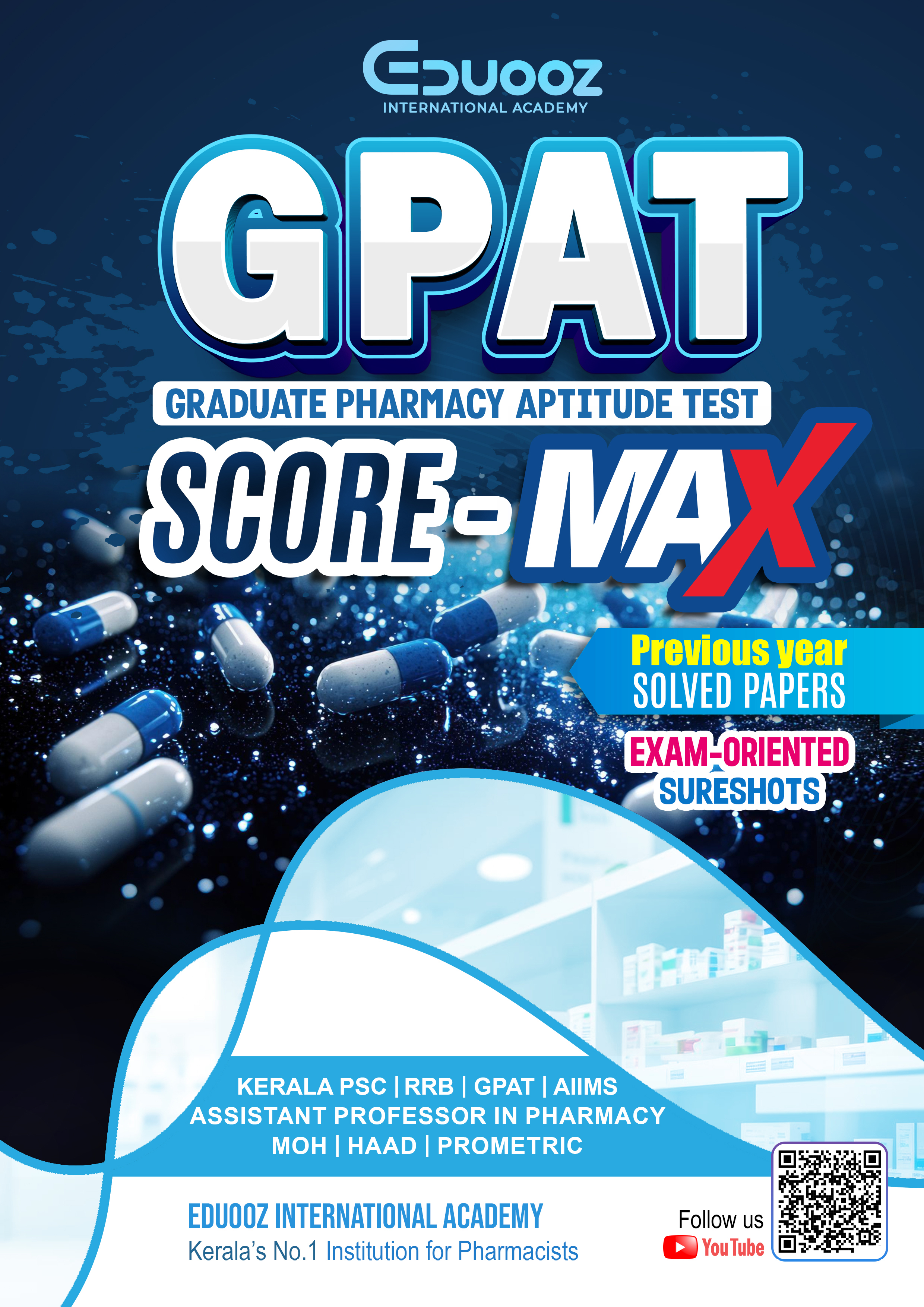
GPAT front cover
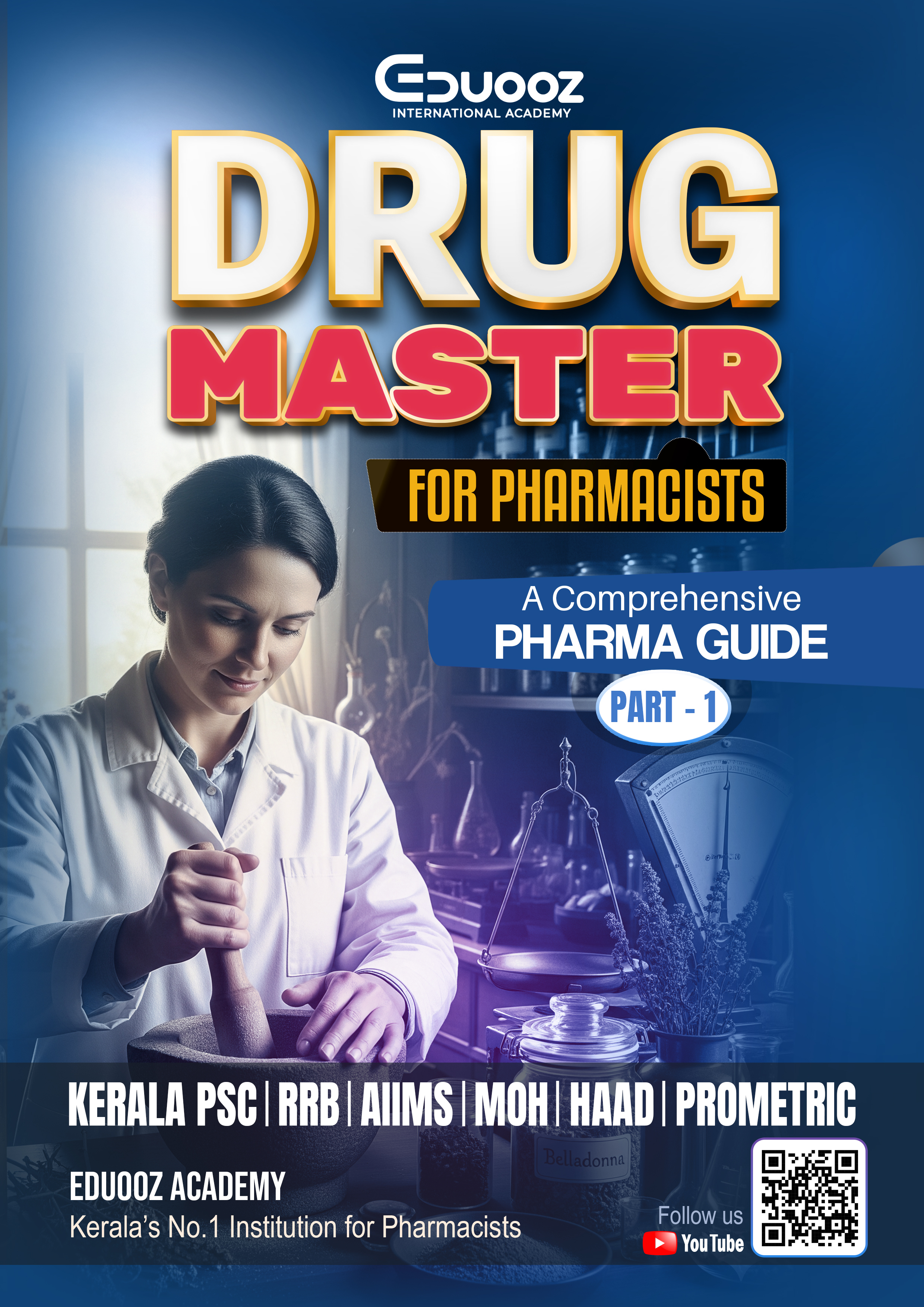
Pharmacy Drug Master Part 1 cover
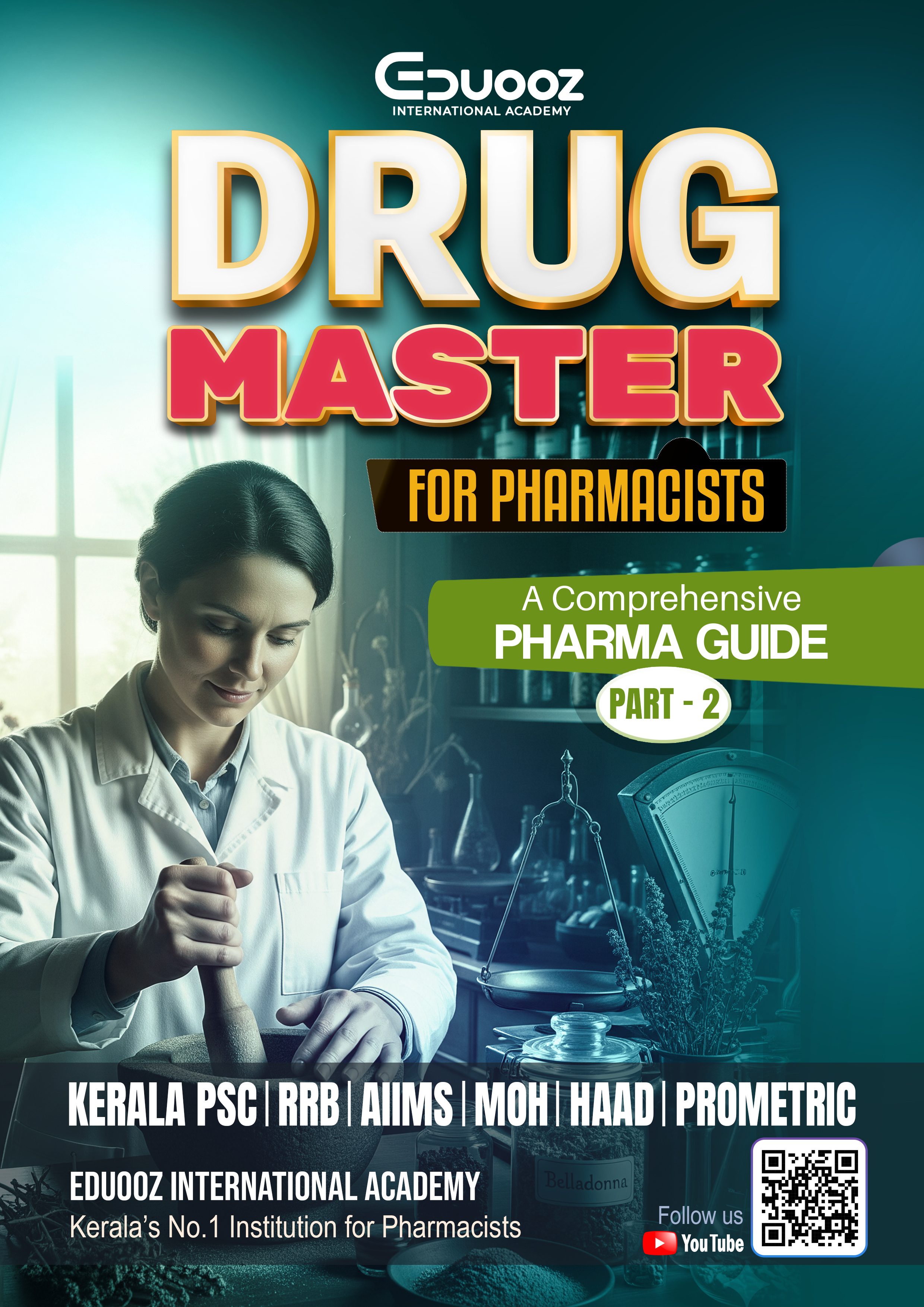
Pharmacy Drug Master Part 2 front cover
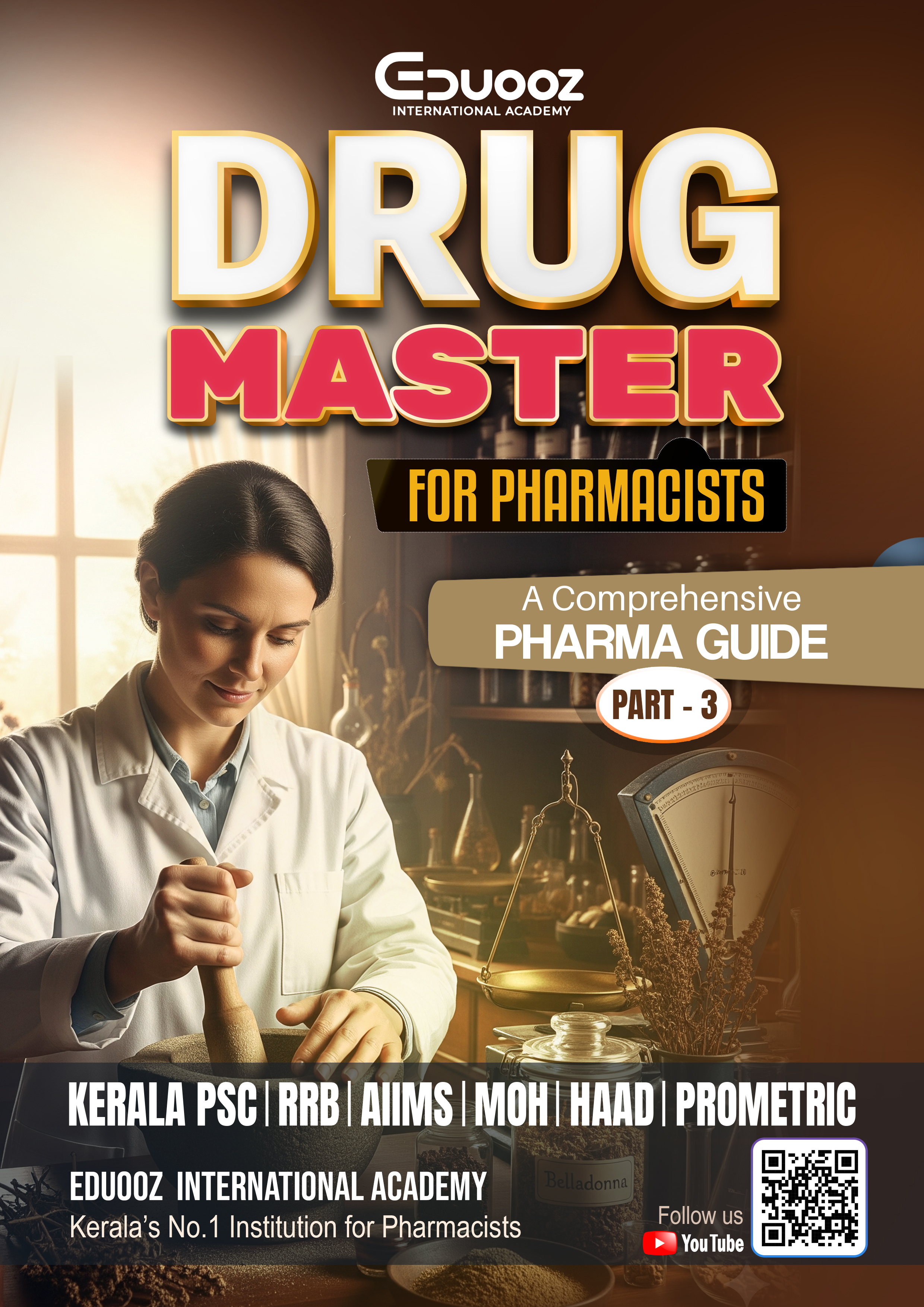
Pharmacy Drug Master Part 3 front cover

Learn from the Experts Behind
Thousands of Pharmacist Exam Success Stories.

Guidance from experienced educators, subject specialists, rank holders, and exam strategists who understand exactly what it takes to crack the Kerala PSC LSGD Pharmacist exam.


Eduooz Faculty Eduooz Faculty

Hear It From Our Students
Who Cracked Their Exams.

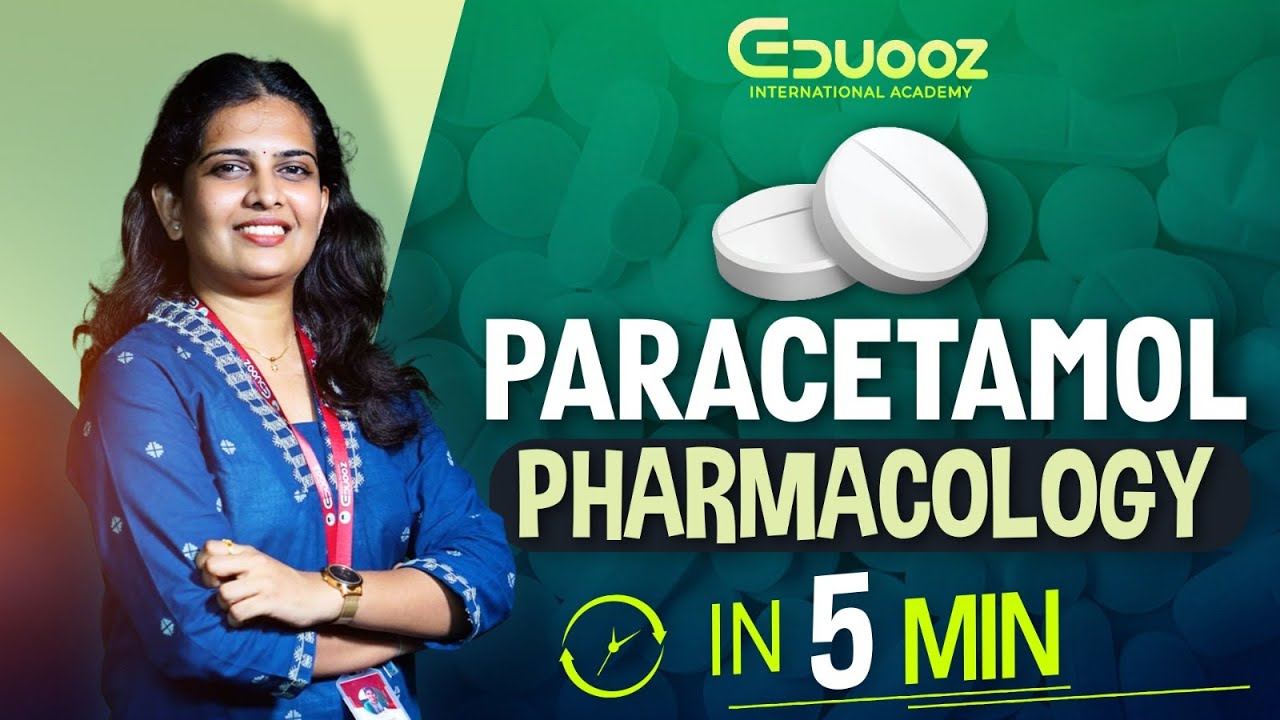
Paracetamol Pharmacology in 5 Minutes

Paracetamol Pharmacology in 5 Minutes

Pharmacology · 2025
"A quick 5-minute breakdown of Paracetamol pharmacology — perfect for fast exam revision."
01
Phenytoin Pharmacology in 5 Minutes

Phenytoin Pharmacology in 5 Minutes

Pharmacology · 2025
"A quick 5-minute breakdown of Phenytoin pharmacology — perfect for fast exam revision."
02
Sulfonamides in Pharmacology — Explained in 5 Min

Sulfonamides in Pharmacology — Explained in 5 Min

Pharmacology · 2025
"A quick, simplified explanation of Sulfonamides pharmacology — perfect for fast exam revision."
03

Trusted by Thousands of Pharmacy Aspirants.

4.9

Google Rating

0+ Google Reviews
0+ Students Enrolled
0+ Selections Made
0% Pass Rate
Trusted by 5000+ Pharmacy Aspirants
Kerala PSC LSGD Pharmacist Focused Training
Structured CBT Preparation
Dedicated Mentor Support
Previous Year Paper Analysis
Mock Exam Platform
9:41
Mock Test Completed! Score: 178/200 · Rank Top 5%
Eduooz Home Dashboard
Course Listing
Mock Test Interface
Performance Analytics
Practice & Study Materials
Leaderboard

Download the Eduooz App.

Access live classes, mock tests, study materials, and performance analytics anywhere, anytime. The complete Kerala PSC LSGD Pharmacist preparation ecosystem always in your pocket.

0%
Pass Rate
0%
Satisfaction
0%
App Uptime
0%
Accuracy Gain
Live & Recorded Classes
500+ hours with interactive Q&A sessions
CBT Mock Tests
150+ full-length tests mirroring the actual Kerala PSC exam
Performance Tracking
Real-time analytics, rank tracking & insights
Offline Study Materials
Download notes, PPTs & videos for offline use

Related Resources.

Everything you need to know.

From eligibility and syllabus specifics to the selection process and career benefits, find the answers to your most pressing questions.

The LSGD Pharmacist Exam is a government recruitment examination conducted by the Local Self Government Department (LSGD) for selecting eligible candidates for Pharmacist posts in municipal health centers, primary health centers, and public healthcare institutions.

Candidates with Diploma in Pharmacy (D.Pharm), Bachelor of Pharmacy (B.Pharm), or Pharm.D from a recognized institution along with valid Pharmacy Council registration are generally eligible to apply.

The minimum qualification is D.Pharm or B.Pharm from a recognized university approved by the Pharmacy Council of India along with valid registration in the State Pharmacy Council.

The selection process generally includes a written examination, OMR/Computer-Based Test (CBT), merit list preparation, and document verification.

The exam pattern usually consists of objective-type multiple-choice questions covering pharmacy subjects such as pharmacology, pharmaceutics, pharmaceutical chemistry, pharmacognosy, and general knowledge.

An LSGD Pharmacist is responsible for dispensing medicines, managing pharmacy stock, verifying prescriptions, patient counseling, and ensuring safe and effective medication usage in public health centers.

Applicants generally need educational certificates, pharmacy registration certificate, identity proof, age proof, category certificate (if applicable), passport-size photograph, and signature.

LSGD Pharmacist jobs offer government job security, stable income, pension benefits, healthcare allowances, and long-term career growth in public health services.

Pharmacists can be promoted to Senior Pharmacist, Chief Pharmacist, Drug Inspector (through exams), and supervisory roles in government health departments.

Most entry-level LSGD Pharmacist posts do not require experience, but higher-level posts may require prior work experience.

Limited Intake

Your Kerala Government Career
Starts Here.

Admission to our Kerala PSC LSGD Pharmacist preparation tracks is curated to ensure maximum personalized mentorship. Secure your seat before the next batch closes.

Call Us Anytime

+91 8111850054

Email Us

admissions@eduooz.online

Your information is 256-bit encrypted and strictly confidential.