Admissions Open: 2026 Batch

KERALA PSC ASSISTANT
PROFESSOR IN PHARMACY
Exam Coaching

Eduooz International Academy offers comprehensive coaching for the Assistant Professor in Pharmacy examination, designed to help aspiring pharmacy educators achieve success in academic and government recruitment exams. With expert faculties, structured study materials, concept-based learning, and exam-oriented preparation, our program equips candidates with the knowledge and confidence needed to excel.

What's Included

Complete Learning System

Enrolling Now
500+ Hours Classes
10,000+ MCQs
150+ CBT Tests

Live + Recorded Classes

500+ Hours

Free PPT Notes

All Subjects

Practice Questions

10,000+ MCQs

Model Exams

150+ CBT Tests

Expert Mentor Support

1-on-1 Guidance

Revision Sessions

Structured Review

Unlimited Tests

Until You Crack It

Animated Classes

Highly Engaging

Kerala PSC Assistant Professor in Pharmacy Exam Snapshot.

Conducted By
Kerala Public Service Commission (Kerala PSC)
Name of Organization
Higher Education Department, Government of Kerala
Name of Post
Assistant Professor in Pharmacy
Method of Appointment
Direct Recruitment
Scale of Pay
₹57,700 to ₹1,21,800 per month
Number of Vacancies
Statewide / District-wise vacancies as per notification
Mode of Apply
Online, One Time Registration through PSC Portal
Official Website
Kerala PSC Official Website

Understanding Assistant Professor in Pharmacy.

What is Assistant Professor in Pharmacy?

The Kerala Public Service Commission (PSC) Assistant Professor in Pharmacy position is a prestigious gazetted post within the Kerala Collegiate Education Department. It involves teaching undergraduate and postgraduate pharmacy students, conducting research in pharmaceutical sciences, and managing administrative duties within government pharmacy colleges.

Gazetted Government PostKerala Collegiate Education Department
Academic RoleTeaching UG & PG pharmacy students
Research OpportunitiesPharmaceutical sciences research
Government Job SecurityStatewide pharmacy college postings
Career GrowthAssociate Professor, Professor, HOD & beyond
Attractive Salary₹57,700 – ₹1,21,800 / month

Eligibility & Age Requirements.

Check Your Eligibility.

Official Exam Syllabus.

  • Plant hormones and their applications — polyploidy, mutation, and hybridization with reference to medicinal plants.
  • Systematic pharmacognostic study of: a) Carbohydrates and derived products — Agar, acacia, Ispaghula, and tragacanth. b) Lipids — castor oil, cocoa butter, hydnocarpus oil, linseed oil.
  • Study of drugs containing resins and resin combinations — colophony, podophyllum, cannabis, myrrh, asafoetida, benzoin, turmeric, ginger.
  • Study of tannins and tannin containing drugs — Bahera, catechu and myrobalan.
  • Volatile oils — general methods of obtaining volatile oils from plants and their classification, general properties, chemical nature and chemical tests. Drugs — mentha, coriander, cinnamon, cassia, lemon grass, clove, fennel, nutmeg, eucalyptus, cardamom.
  • Study of pharmaceutical aids like kaolin, bentonite, and natural colours.
  • Biological sources, commercial varieties, chemical constituents, substitutes, adulterants, uses, diagnostic macroscopic/microscopic features and chemical tests of glycoside-containing drugs — Saponins (Liquorice, Dioscorea, Sarasparilla); Cardioactive sterols (Digitalis, Squill); Anthraquinone cathartics (Aloes, Senna); Others (Gentian, Saffron).
  • Introduction to Ayurvedic preparations — Asavas, Gutikas, Tailas, Choornas, Lehyas and Bhasmas.
  • Source, cultivation, collection, processing, constituents, adulterants, uses and chemical tests of alkaloid-containing drugs — Tropane (Belladonna, Hyoscyamus, Datura, Withania); Quinoline & Isoquinoline (Cinchona, Ipecac, Opium); Indole (Ergot, Rauwolfia, Catharanthus); Steroidal (Kurchi); Alkaloidal amines (Ephedra, Colchicum); Purines (Coffee, Tea).
  • General techniques of biosynthetic studies and basic metabolic pathways — biogenesis of secondary metabolites, Shikimic acid pathway, Acetate mevalonate pathway, Isoprenoid synthesis.
  • Marine pharmacognosy — novel medicinal agents from marine sources.
  • Protein containing drugs — Gelatin, Collagen, Spirulina.
  • Chemistry, biogenesis and pharmacological activity of medicinally important monoterpenes, sesquiterpenes, diterpenes and triterpenoids.
  • Glycosides — chemistry and biosynthesis of Digoxin and Sennosides. Alkaloids — chemistry, biogenesis and pharmacological activity of atropine and related compounds, Quinine, Morphine, Papaverine, Ephedrine, Ergot and Vinca alkaloids.
  • Plant tissue culture — Totipotency, types of cultures, nutritional requirements, growth and maintenance; applications in pharmacognosy.
  • Gene transfer, gene mapping of plants, transgenic plants, introduction to DNA fingerprinting.
  • Adulteration and evaluation of crude drugs — standards for herbal formulations, WHO guidelines in evaluation of drugs.
  • Herbaceous health foods.
  • Herbal cosmetics — classifications with examples, standards, biological sources, chemical constituents and uses of drugs used in herbal cosmetics.
  • General anatomy and physiology — cell, homeostasis, ion channels, secondary messengers, tissues, body fluids and blood.
  • Anatomy, physiology and disorders of human body systems — skeleton, cardiovascular, digestive, respiratory, urinary, reproductive, endocrine, nervous (ANS & CNS), muscular systems and sense organs.
  • General pharmacology — routes of drug administration, targeted delivery, pharmacokinetics, pharmacodynamics, drug receptor theories, receptor subtypes, dose response relationship, drug dose and dosage, rational use of medications, principles of toxicology, adverse drug reactions, pharmacovigilance, pharmacoeconomics, pharmacoepidemiology, orphan drugs.
  • Pharmacy and therapeutic committee — objectives, composition and functions, budget preparation and implementation.
  • Hospital Formulary — contents, preparation and revision of hospital pharmacy.
  • Drug store management and inventory control — a) organization of drug store, types of materials stocked, storage conditions; b) purchase and inventory control — principles, purchases, procedures, purchase order, procurement and stocking.
  • Drug distribution system in hospitals — a) outpatient dispensing methods; b) dispensing to inpatients, types of distribution systems, charging policy, labelling; c) dispensing to ambulatory patients; d) dispensing of controlled drugs.
  • Central sterile supply unit and its management — functioning and types of materials for sterilization equipment, supply of sterile materials.
  • Interpretation of clinical laboratory tests and its significance — liver function tests, pulmonary function tests, renal function tests and haematological tests.
  • Drug & Poison information services — sources of information, design of literature searches, critical evaluation of drug information and literature; clinical pharmacokinetics & individualization of drug therapy.
  • Drug use in special populations — infants, elderly, pregnancy & lactation; dosage adjustments in renal/hepatic failure; Therapeutic Drug Monitoring (indications, choice of drugs, timing, techniques) — e.g. Digoxin, Gentamycin, Phenytoin.
  • Clinical management (manifestations, investigations, treatment algorithms, adverse effects, patient education) of — Hypertension, Heart Failure, Epilepsy, Asthma, Peptic ulcer, Diabetes mellitus, Thyroid disorders, Tuberculosis & HIV, Anaemias, Rheumatoid Arthritis.
  • Communicable diseases — causative agents, modes of transmission, symptoms and prevention: Chicken pox, Measles, Influenza, Diphtheria, Whooping cough, Tuberculosis, Poliomyelitis, Hepatitis, Cholera, Typhoid, Food poisoning, Helminthiasis, Malaria, Filariasis, Rabies, Trachoma, Tetanus, Leprosy, Syphilis, Gonorrhoea and AIDS.
  • First aid — emergency treatment of Shock, Snake bite, Burns, Heart diseases (AMI & LHF), Fractures and Resuscitation methods, general methods of treatment of Poisoning.
  • Communication skills — model of communication, verbal and non-verbal communication, questioning, explaining, listening & counselling skills.
  • Pharmacology of drugs acting on ANS, cardiovascular system, respiratory tract, endocrine system, CNS, gastro-intestinal tract, skin, eye, uterus, kidney, blood and blood-forming organs; local anaesthetics, vitamins, heavy metals, enzymes in therapy, therapeutic gases, free radicals/antioxidants and autocoids.
  • Bioassays (Insulin, digitalis, adrenaline, histamine, oxytocin, d-tubocurarine, heparin-sodium) and Radioimmunoassay.
  • Pharmacological screening methods — diuretic, anti-ulcer, analgesic, anticonvulsant and anti-inflammatory activity.
  • Drug discovery and new drug development.
  • Antimicrobial drugs and chemotherapy.
  • Immunopharmacology — immunosuppressant and immunostimulant drugs.
  • Gene therapy — applications, proteins and peptides as therapeutic agents, stem cell therapy.
  • Titrimetric methods — neutralisation, redox, complexometric, precipitation and non-aqueous titrations; gravimetry, gasometry, Karl Fischer method.
  • Instrumental methods — theory, instrumentation and application of chromatographic methods, potentiometry, polarography, amperometry, conductometry, thermal methods, immunoassays, UV-Visible & IR spectroscopy, spectrofluorimetry, nephelometry-turbidimetry, NMR spectroscopy, mass spectroscopy, flame emission spectrophotometry, atomic absorption spectroscopy, X-ray crystallography.
  • Hyphenated techniques — GC-MS, LC-MS, Tandem-mass spectroscopy.
  • Quality control and quality assurance.
  • Organic chemistry — a) preparation, reactions and mechanisms of aliphatic, alicyclic, aromatic and heterocyclic compounds, polynuclear/fused ring systems; b) stereochemistry — isomerism, substitution/elimination reactions, electrophilic/nucleophilic reactions, addition reactions; c) chemistry of natural products — alkaloids, glycosides, terpenoids, purines, steroids, vitamins, sex hormones, fats, oils, carbohydrates, proteins.
  • Biochemistry — a) metabolism of carbohydrates, proteins, lipids, vitamins, enzymes/co-enzymes, nucleic acids; b) DNA structure, genetic material, DNA replication, RNA structure/types, transcription, translation, gene expression regulation, genetic engineering, PCR, chromosomes.
  • Inorganic chemistry — a) limit tests; b) acidifiers, antacids, saline cathartics, antimicrobials, antidotes, astringents, expectorants/emetics, dental products, radiopharmaceuticals, acids/bases/buffers, electrolytes, topical agents, pharmaceutical aids, protectives/adsorbants, official preparations of Iron, Iodine and Calcium; c) colligative properties.
  • Synthesis, classification, mechanism of action, SAR and uses of — a) antibiotics, sulpha drugs, antileprotics, anthelmintics, antimalarials, schistomicides, antifungals, tuberculostatics, antineoplastics, immunosuppressive agents, anti-HIV agents; b) drugs acting on CNS & ANS; c) cardiovascular drugs; d) diuretics; e) hypoglycemic agents; f) drugs acting on GI tract; g) analgesics, antipyretics and NSAIDs; h) general and local anaesthetics; i) coagulants and anticoagulants.
  • Quantitative Structure Activity Relationship (QSAR).
  • Molecular docking, types of docking, pharmacophore mapping, informatics and drug design.
Pharmaceutical Jurisprudence
  • Pharmaceutical legislation in India — historical developments, legal and ethical responsibilities of pharmacists.
  • Pharmacy Act, Drugs and Cosmetics Act, Medicinal and Toilet Preparations (Excise Duties) Act and Rules, Narcotic Drugs and Psychotropic Substances Act, Drugs and Magic Remedies (Objectionable Advertisements) Act and Rules.
  • Drugs Prices Control Order, A.I.C.T.E. Act (Patents Act), Prevention of Cruelty to Animals Act, Medical Termination of Pregnancy Act, The Poisons Act.
Pharmaceutical Management
  • Good Manufacturing Practice — cGMP in manufacturing, facilities, quality audit, design, development and process validation for tablet production.
  • Stability testing protocols for pharmaceutical products; intellectual property rights.
Physical Pharmaceutics
  • Surface and interfacial phenomena — liquid interfaces, surface/interfacial tensions, measurement, electrical properties of interface, surface free energy, spreading coefficient.
  • Dispersion systems — colloids (types, optical/kinetic/electrical properties, preparation, purification, stability); surface active agents (HLB classification), solubilization, adsorption; suspensions (sedimentation, wetting, flocculation); emulsions (theories, phase volume ratio, stabilization, emulsifying agents, evaluation).
  • Viscosity and rheology — Newtonian and non-Newtonian systems (plastic, pseudoplastic, dilatant, thixotropy); viscometers — capillary, falling sphere, cup and bob, cone and plate.
  • Accelerated stability studies — stability problems, stabilization techniques and expiration dating.
  • Micromeritics — particle size/size distribution methods, particle surface area, derived properties of powders (porosity, packing, bulkiness, flow properties, densities, Carr's index, Hausner ratio); complexation methods for solubility enhancement.
Pharmaceutical Microbiology & Biotechnology
  • Immunity and immunological products — defensive mechanisms, microbial resistance, interferons, humoral immunity, antigens/antibodies, immunological tolerance, hypersensitivity, active/passive immunization, vaccines and sera.
  • Control of microbes by physical and chemical methods — disinfection, disinfectants, sterilization techniques and validation.
  • Microbial assay of antibiotics.
  • Fermentation technology — Penicillin, alcohol, amylase and Vitamin B12.
  • Hybridoma technology for monoclonal antibodies.
  • Enzyme immobilization techniques.
  • Aseptic techniques, sources of contamination, design and maintenance of aseptic areas — classification, air handling units, laminar airflow units.
  • Surgical ligatures and sutures — types, catgut preparation and standardization, absorbent/non-absorbent cotton, blood products and plasma substitutes.
Biopharmaceutics & Pharmacokinetics
  • Physicochemical and pharmaceutical factors influencing drug absorption; Biopharmaceutical Classification System; absorption across biological barriers.
  • Distribution — factors affecting distribution, physiological barriers, volume of distribution, plasma protein binding.
  • Pharmacokinetics of drug absorption — zero/first order rate constants; compartment models (one-compartment IV bolus/infusion/extravascular, two-compartment IV bolus); non-linear pharmacokinetics — Michaelis-Menten equation.
  • Design of single-dose bioequivalence study, dissolution and disintegration testing, in vitro-in vivo correlation.
Pharmaceutical Engineering
  • Size reduction and size separation — ball mill, hammer mill, fluid energy mills.
  • Mechanical separation — filtration and centrifugation; filter aids, filter press, rotary filter, edge filter.
  • Evaporation — short tube and film evaporators.
  • Distillation — fractional, steam and flash distillation; preparation of water for injection.
  • Drying — fluidized bed, spray and drum dryers; principles of freeze drying.
  • Mixing — mixers for powders, pastes and liquids.
  • Principles and methods of extraction; preparation of tinctures and liquid extracts.
Dispensing Pharmaceutics & Formulation Technology
  • Pharmacopoeias (I.P, B.P, USP, B.P.C, NFI) — history & development of I.P.
  • Calculation of pediatric doses, percentage solutions, alligations, alcohol dilution, isotonic solutions.
  • Dosage form preparations — tablets (types, excipients, processing, coating, evaluation), capsules (hard/soft, production and evaluation), microencapsulation, monophasic/biphasic systems, semisolid dosage forms and suppositories.
  • Sterile products (parenterals & ophthalmic) — classification, formulation, additives, production facilities and evaluation.
  • Packaging of pharmaceutical preparations.
  • Pharmaceutical aerosols — components, propellants, containers, valves, actuators and types of aerosol systems.
  • Preparation and evaluation of creams (vanishing & cold cream), face powder, shampoo, depilatories and dentifrices.
  • Formulation and evaluation of liposomes, niosomes, nanoparticles, osmotically controlled dosage forms and transdermal drug delivery systems.

How To Prepare.

Exam Process.

Step 1 of 6
01
Application
02
Screening
03
Written Test
04
Confirmation
05
Certificate Verification
06
Final Selection
01

Application Submission

Candidates must first register and submit their applications through the Kerala PSC One Time Registration (OTR) portal on the official website.

02

Screening of Applications

All submitted applications are screened by PSC to verify eligibility requirements, academic qualifications, age criteria, and other conditions. Shortlisting may be carried out as per cutoff limits and prescribed criteria.

03

Written (OMR) / Online Test

A written OMR or online test is conducted to assess candidates' subject knowledge in Pharmacy, teaching aptitude, research methodology, general knowledge, and other topics as per the syllabus.

04

Confirmation for Exam

Candidates must confirm their intention to appear for the exam through their One Time Registration profile. Only confirmed candidates can download their admission tickets.

05

Certificate Verification

Based on the written test result, eligible candidates may be called for certificate verification to validate educational documents, NOC if applicable, age factors, and community certificates.

06

Final Selection

Final selection is based on the candidate's written test performance, verification of all eligibility criteria as per Kerala PSC regulations, and interview if applicable or as specified in the notification.

Why Choose Eduooz Academy.

Why Choose Eduooz Academy for Kerala PSC Assistant Professor in Pharmacy Coaching?

Why Students Love Eduooz

Live + Recorded Classes

500+ hours of expert-led live interactive sessions with lifetime access to recorded lectures for unlimited revision.

Free PPT Notes

Comprehensive visual study materials and PPT presentations covering all pharmacy subjects for quick and effective learning.

Practice Questions

10,000+ topic-wise MCQs with detailed explanations to strengthen your conceptual understanding and exam readiness.

Model Exams

150+ full-length mock tests that mirror the actual Kerala PSC Assistant Professor in Pharmacy exam pattern and difficulty level.

Expert Mentor Support

1-on-1 personalized guidance from experienced academic faculty and subject experts to optimize your preparation strategy.

Periodic Revision Sessions

Structured revision sessions before every exam cycle ensuring maximum retention and recall of key concepts.

Unlimited Test Series

Access to all test series without limits until you crack the exam. Practice anytime, anywhere on any device.

Highly Engaging Animated Classes

Complex pharmacy concepts explained through 3D animations and visual storytelling for deeper understanding.

500+ Hours Live & Recorded Learning
150+ CBT Tests
1-on-1 Guidance

Previous Year Question Papers.

Select a paper to preview

Select a paper to preview

Choose a paper from the list to preview it here

Paper Unavailable

Enroll to access and download this paper.

Download the Paper

No papers found for this year

Free Practice Tests.

Question 1 of 25 Test 1

Q1.

Test 1 Completed!

Mock Test Completed!

Section-wise Score

Analytics

Section Performance

Overall Accuracy

Question Review

Study Materials.

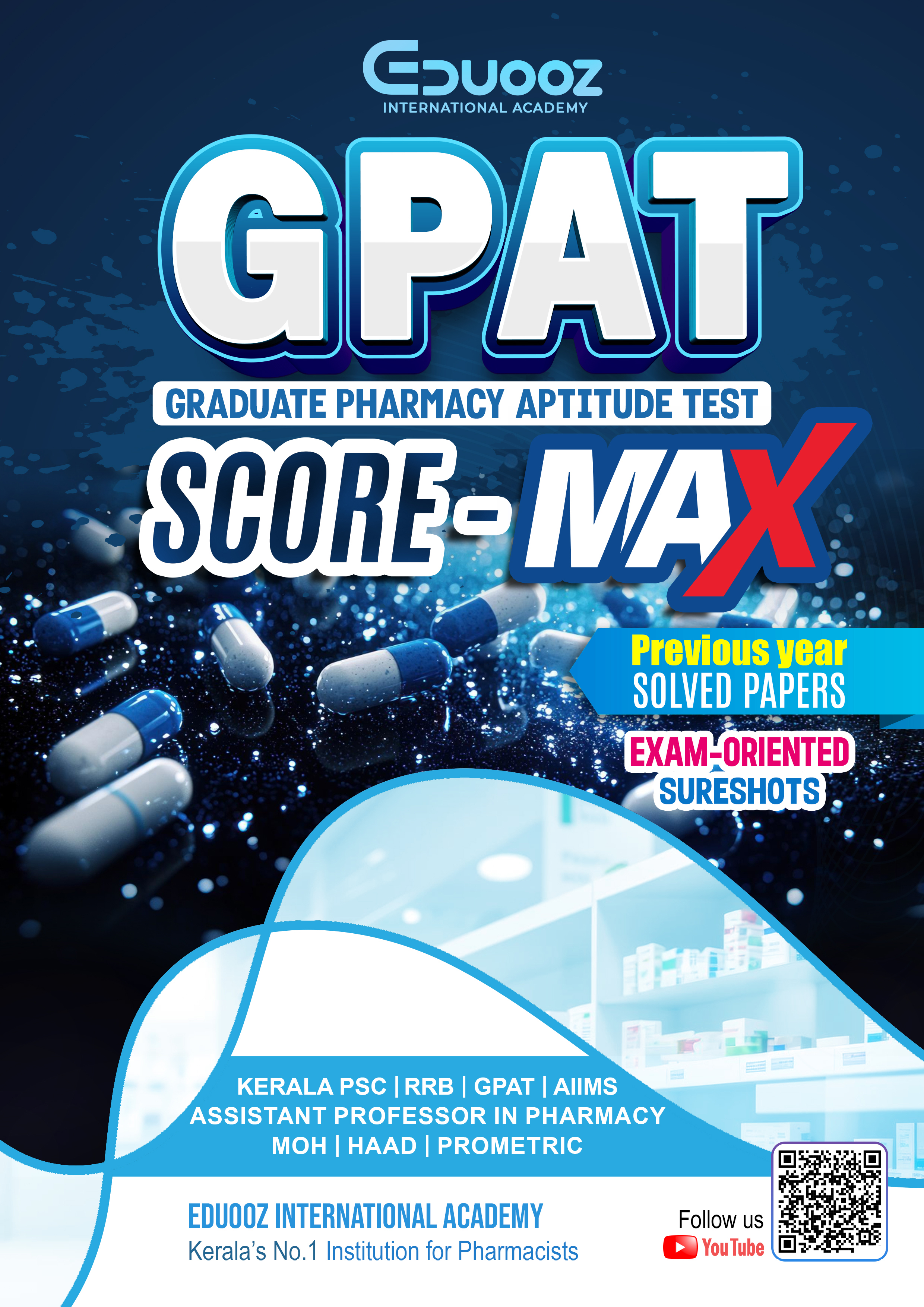
GPAT front cover
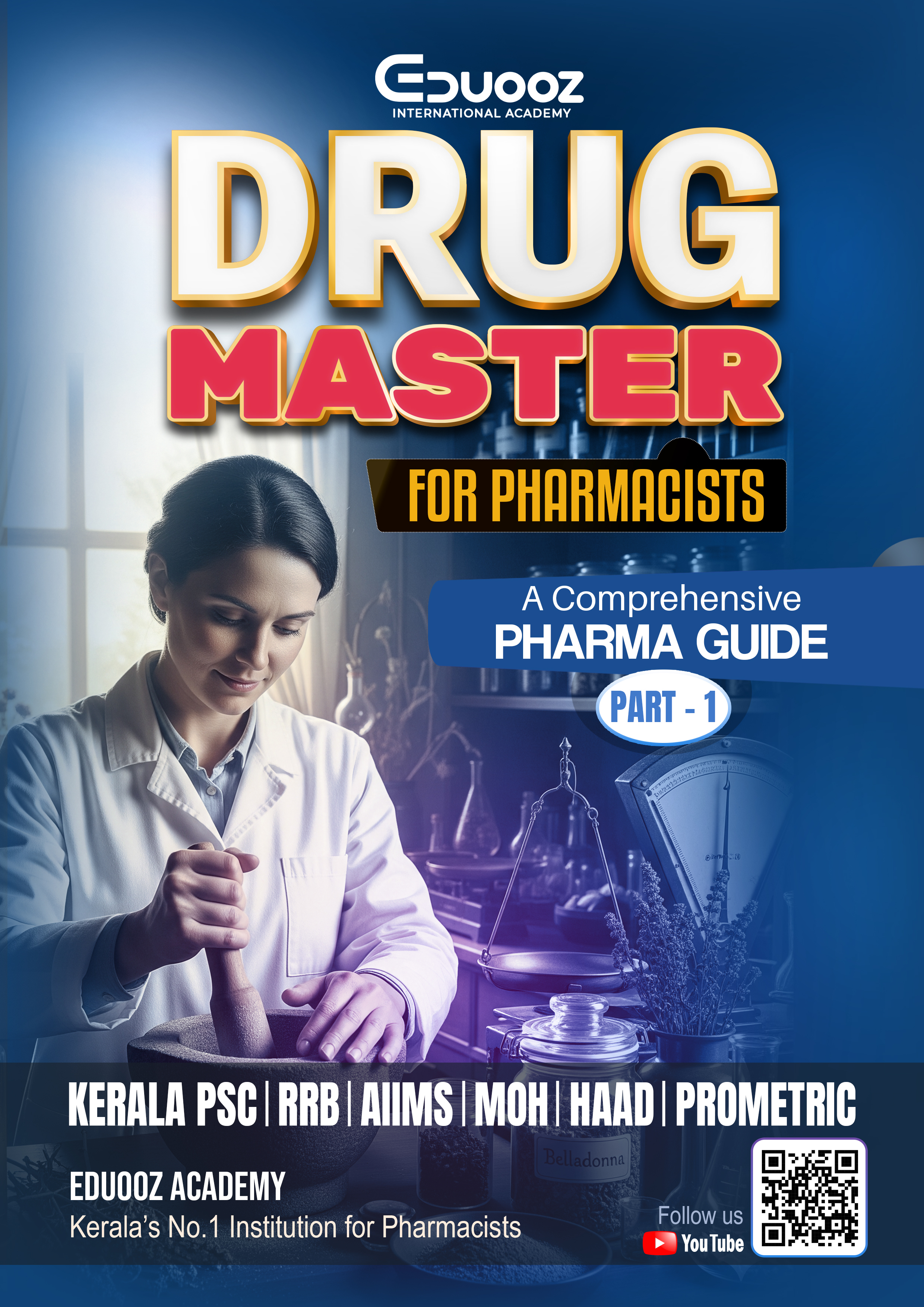
Pharmacy Drug Master Part 1 cover
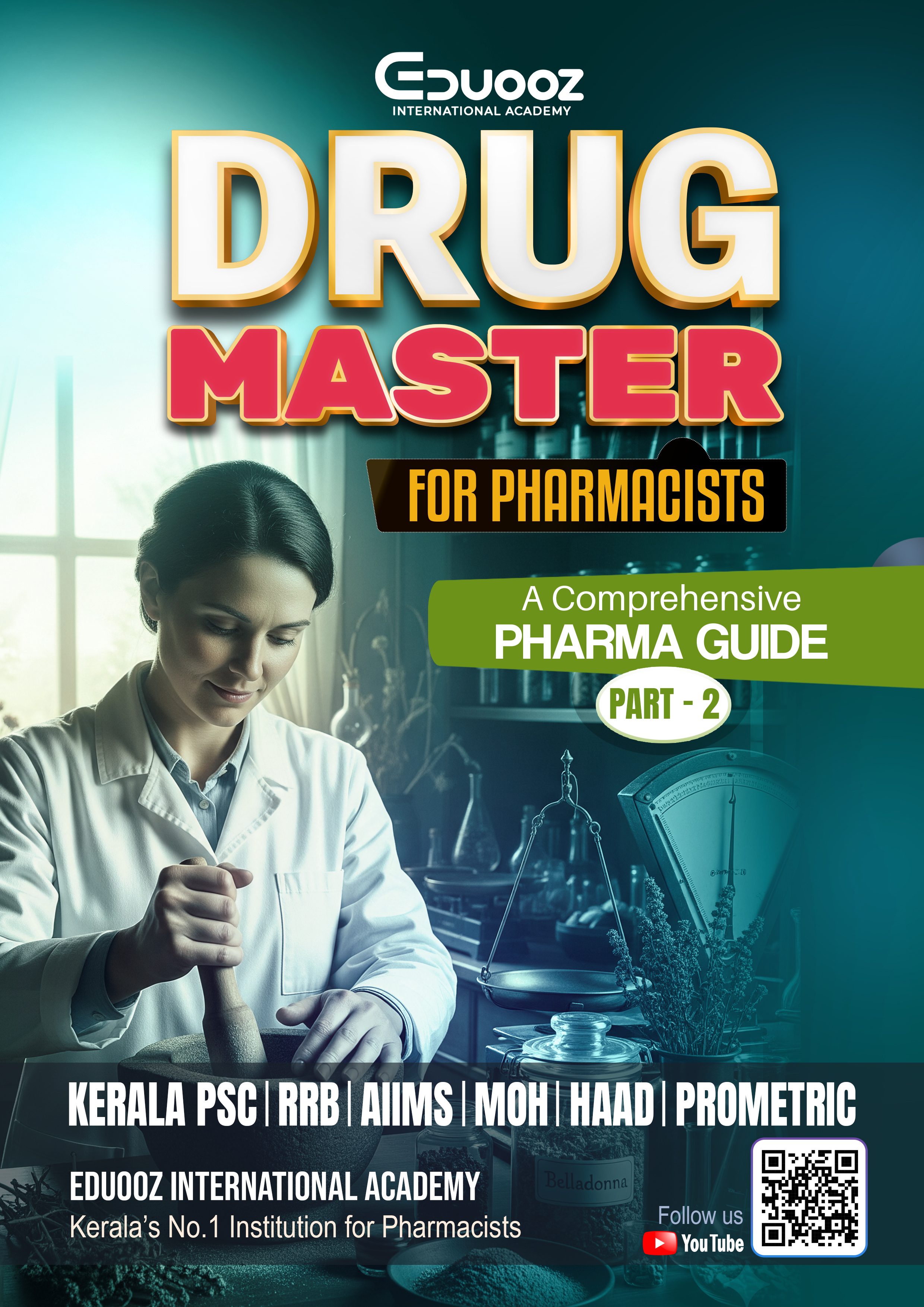
Pharmacy Drug Master Part 2 front cover
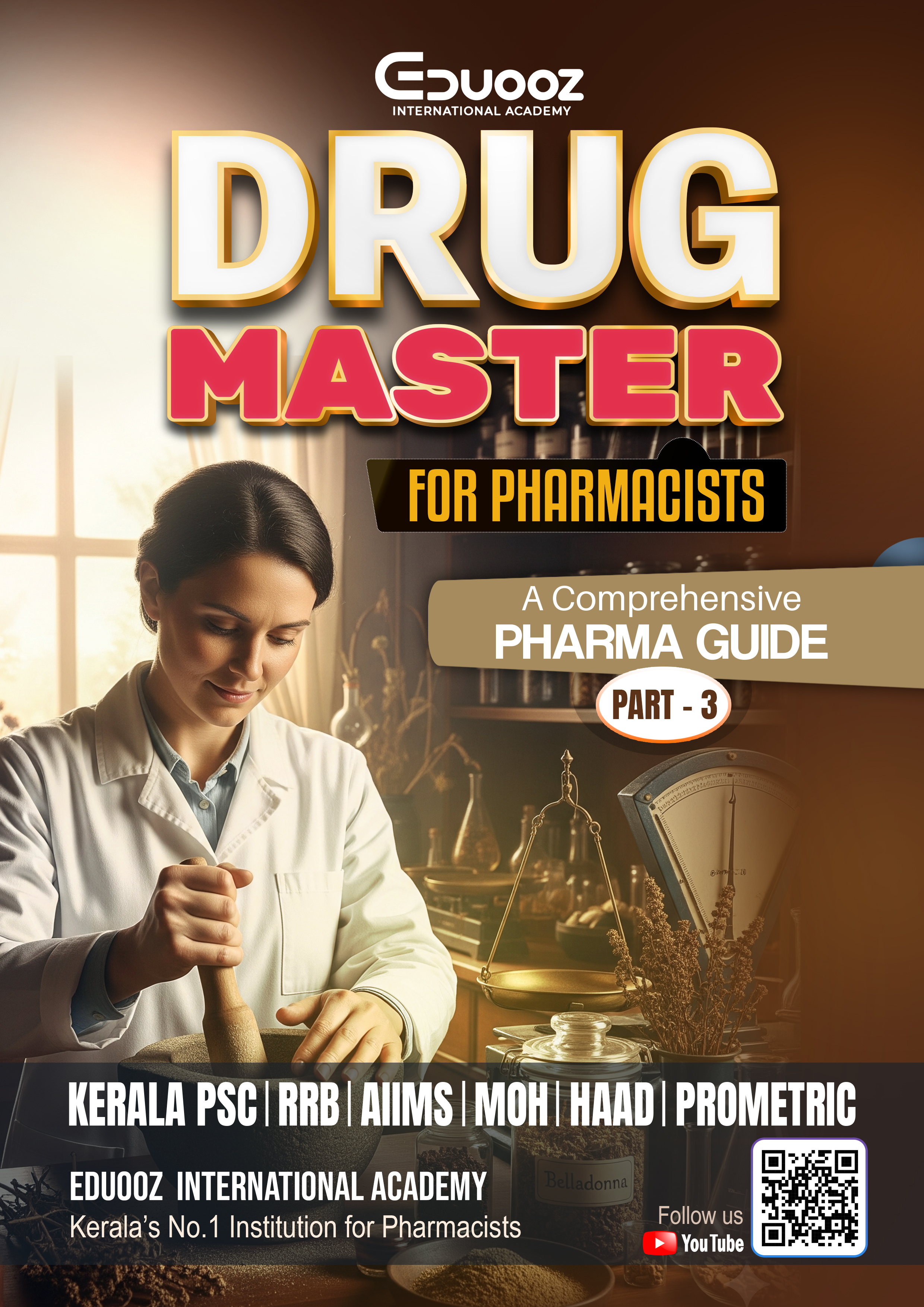
Pharmacy Drug Master Part 3 front cover

Learn from the Experts Behind
Thousands of Kerala PSC Success Stories.

Guidance from experienced educators, subject specialists, academic mentors, and exam strategists who understand exactly what it takes to crack the Kerala PSC Assistant Professor in Pharmacy exam.


Eduooz Faculty Eduooz Faculty

Hear It From Aspirants
Who Cracked Kerala PSC.

Paracetamol Pharmacology in 5 Minutes

Paracetamol Pharmacology in 5 Minutes

Pharmacology · 2025
"A quick 5-minute breakdown of Paracetamol pharmacology — perfect for fast exam revision."
01

Trusted by Thousands of Aspirants.

4.9

Google Rating

0+ Google Reviews
0+ Students Enrolled
0+ Selections Made
0% Pass Rate
Trusted by 5000+ Pharmacy Aspirants
Kerala PSC APP Focused Training
Structured CBT Preparation
Dedicated Mentor Support
Previous Year Paper Analysis
Mock Exam Platform
9:41
Mock Test Completed! Score: 178/200 · Rank Top 5%
Eduooz Home Dashboard
Course Listing
Mock Test Interface
Performance Analytics
Practice & Study Materials
Leaderboard

Download the Eduooz App.

Access live classes, mock tests, study materials, and performance analytics anywhere, anytime. The complete Kerala PSC Assistant Professor in Pharmacy preparation ecosystem always in your pocket.

0%
Pass Rate
0%
Satisfaction
0%
App Uptime
0%
Accuracy Gain
Live & Recorded Classes
500+ hours with interactive Q&A sessions
CBT Mock Tests
150+ full-length tests mirroring the actual exam
Performance Tracking
Real-time analytics, rank tracking & insights
Offline Study Materials
Download notes, PPTs & videos for offline use

Related Resources.

Everything you need to know.

From eligibility criteria to career growth, find the answers to your most pressing questions about the Kerala PSC Assistant Professor in Pharmacy exam.
The Assistant Professor in Pharmacy Exam is a competitive academic eligibility and selection examination conducted to assess candidates' knowledge in pharmaceutical sciences for teaching positions in pharmacy colleges and universities.

Candidates with M.Pharm in relevant specializations, Pharm.D (Post Baccalaureate), or equivalent postgraduate qualifications in pharmacy are generally eligible to appear for the Assistant Professor exam, subject to UGC/PCI norms.

The minimum qualification usually includes M.Pharm in relevant specialization from a PCI-approved institution. In some cases, Ph.D. in Pharmacy is preferred or required for higher academic roles.

The exam pattern generally includes objective-type and descriptive questions covering pharmaceutical sciences, teaching aptitude, research methodology, and subject specialization topics.

Yes, teaching aptitude is an important part of the exam and includes communication skills, classroom management, educational psychology, and pedagogy concepts.

The exam is considered moderately to highly difficult as it tests advanced pharmacy knowledge, analytical thinking, and academic teaching capability.

The selection process generally includes a written examination, subject expertise evaluation, teaching demonstration, interview, and document verification.

An Assistant Professor is responsible for teaching pharmacy subjects, guiding students, conducting research, preparing academic materials, and contributing to institutional development.

Important skills include strong subject knowledge, teaching ability, communication skills, research capability, academic writing, and classroom management.

Candidates can progress to Associate Professor, Professor, Head of Department, Dean, Research Scientist, and academic administrative positions.

Limited Intake

Your Academic Career
Starts Here.

Admission to our Kerala PSC Assistant Professor in Pharmacy preparation tracks is curated to ensure maximum personalized mentorship. Secure your seat before the next batch closes.

Call Us Anytime

+91 8111850054

Email Us

admissions@eduooz.online

Your information is 256-bit encrypted and strictly confidential.